
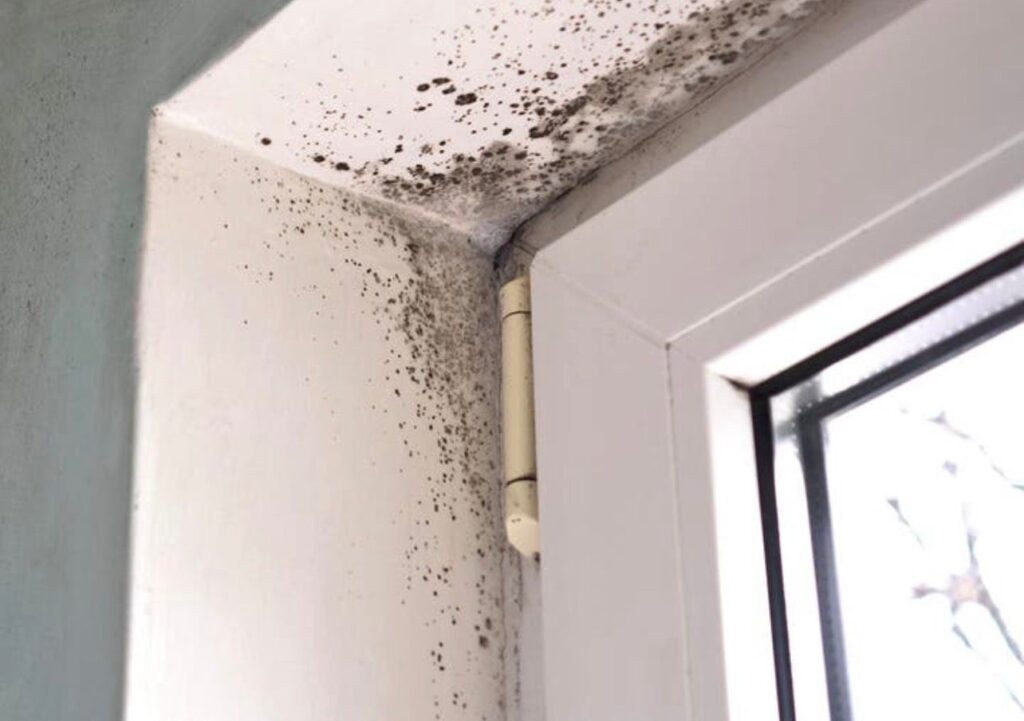
Mold in Rental Properties in Palm Bay: What Homeowners in Brevard County Should Know
Mold in Rental Properties in Palm Bay: What Homeowners in Brevard County Should KnowMold issues in rental properties are a serious concern for Palm Bay homeowners and landlords. Florida’s humidity, frequent rain, and constant AC use create ideal conditions for mold—especially in rentals where moisture problems can go unnoticed or unreported. When mold develops, it can impact tenant health, damage the property, and lead to disputes or costly repairs if not handled properly.Understanding how mold starts, who’s responsible, and how to prevent it helps rental property owners protect both their investment and their tenants.⸻Why Mold Is Common in Palm Bay Rental PropertiesRental homes and apartments often face unique challenges that increase mold risk.Common contributing factors include: • High indoor humidity • AC condensation and clogged drain lines • Plumbing leaks under sinks or behind walls • Poor ventilation in bathrooms and laundry rooms • Tenants unaware of early moisture signs • Delayed reporting of leaks or water damageEven minor moisture issues can quickly turn into mold problems in Palm Bay’s climate.⸻Common Areas Where Mold Develops in RentalsMold often appears in places tenants don’t regularly inspect.High-risk areas include: • Bathrooms and showers • Under kitchen and bathroom sinks • Around AC air handlers and vents • Behind drywall near plumbing lines • Closets and laundry roomsIn multi-unit properties, mold can also spread between units if moisture isn’t properly controlled.⸻Health Concerns for TenantsMold exposure in rental properties can affect tenant health, especially when problems persist.Possible health effects include: • Sneezing, coughing, or congestion • Worsened asthma or allergy symptoms • Skin or eye irritation • Headaches and fatigueIf multiple tenants report similar symptoms, indoor mold may be a contributing factor.⸻Landlord vs. Tenant ResponsibilitiesMold responsibility often depends on the source of the problem.In general: • Property owners are responsible for fixing leaks, structural issues, and ventilation problems • Tenants are typically responsible for basic cleanliness and reporting issues promptlyUnresolved maintenance issues—such as roof leaks or plumbing failures—often place responsibility on the property owner.⸻Why Ignoring Mold Can Be CostlyFailing to address mold in rental properties can lead to: • Property damage and higher repair costs • Tenant complaints or disputes • Vacancy losses • Failed inspections • Reduced property valueEarly action helps avoid long-term financial and legal complications.⸻How Professionals Address Mold in Rental PropertiesProfessional mold remediation protects both tenants and the property.Inspection & AssessmentMoisture sources and mold-affected areas are identified.ContainmentAffected spaces are isolated to prevent spore spread.Mold Removal & TreatmentContaminated materials are removed or treated safely.Moisture ControlLeaks, ventilation issues, and humidity problems are corrected.Clear DocumentationDetailed reports help with tenant communication and recordkeeping.⸻Preventing Mold in Palm Bay RentalsPrevention is the best protection for rental properties.Helpful prevention steps include: • Scheduling routine property inspections • Maintaining HVAC systems regularly • Keeping indoor humidity below 55% • Educating tenants on moisture awareness • Responding quickly to maintenance requestsProactive management significantly reduces mold risk.⸻Final ThoughtsMold in rental properties in Palm Bay is a common but manageable issue when addressed early. With proper maintenance, clear communication, and prompt professional action, homeowners can protect their rental investments while providing a safe, healthy living environment for tenants.If you’d like, I can continue with more Palm Bay or Brevard County rental-related mold topics using this same structure and image style.