
Mold in Rental Properties in Palm Bay: What Homeowners in Brevard County Should Know
Mold issues in rental properties can be stressful for everyone involved. For property owners and landlords in Palm Bay, mold concerns often raise questions about responsibility, building conditions, tenant habits, and how to resolve the problem without it becoming an ongoing dispute.
In Brevard County’s humid climate, mold in rental homes is common and usually moisture-driven, not the result of neglect or wrongdoing. Understanding why mold develops in rental properties, where it’s most often found, and how it should be addressed helps Palm Bay property owners protect their investment while keeping tenants comfortable.
Why Mold Is Common in Palm Bay Rental Properties
Brevard County provides ideal conditions for mold growth: high humidity, frequent rain, and long cooling seasons. Rental properties experience these same environmental pressures, but a few additional factors increase risk.
Rental homes often have:
- Higher occupancy and daily moisture use
- Inconsistent ventilation habits
- Deferred maintenance between tenants
- HVAC systems running constantly or incorrectly
- Minor leaks that go unreported
Mold rarely appears overnight. In most Palm Bay rentals, it develops slowly due to moisture that isn’t fully controlled or dried.
Common Areas Where Mold Appears in Rental Homes
Certain areas show up again and again during inspections of Palm Bay rental properties.
Bathrooms are one of the top locations. Showers generate large amounts of moisture, and if exhaust fans are underused, undersized, or vented improperly, humidity lingers on ceilings and walls.
Kitchens and laundry areas are also frequent problem spots. Cooking steam, washing machines, and dishwasher leaks can introduce moisture that stays trapped under cabinets or behind walls.
HVAC systems are another major contributor. Condensation from air handlers, clogged drain lines, or damaged duct insulation can spread moisture—and mold—throughout the unit.
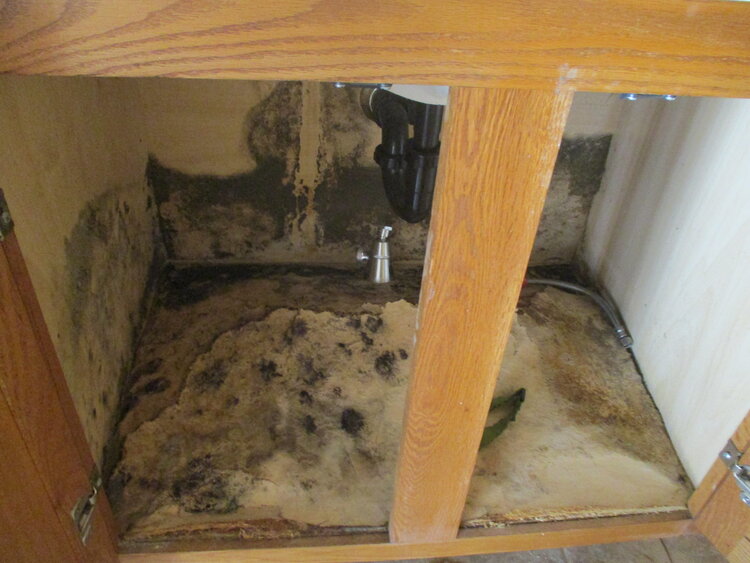
Under sinks and around plumbing penetrations, slow leaks may go unnoticed until mold growth becomes visible.
Attics and crawl spaces are also common mold locations, especially when ventilation or drainage issues exist.
Why Mold Issues Can Become Disputes in Rentals
Mold in rental properties often leads to confusion because the causes aren’t always obvious.
Tenants may notice mold and assume it’s a structural issue. Property owners may believe it’s caused by daily habits like showering or cooking. In reality, it’s often a combination of building conditions and moisture use.
In Palm Bay rentals, mold problems usually involve:
- High indoor humidity
- Ventilation limitations
- Aging plumbing or HVAC components
- Florida weather patterns
Clear documentation and professional evaluation help avoid assumptions on both sides.
How Moisture Drives Mold in Rental Properties
Mold doesn’t grow without moisture.
Common moisture sources in Palm Bay rentals include:
- Bathroom humidity without proper ventilation
- AC condensation and drain line backups
- Slow plumbing leaks
- Storm-related water intrusion
- Ground moisture under slab foundations
When moisture remains present for days or weeks, mold has time to establish itself—often behind walls, under flooring, or inside HVAC systems.
Surface cleaning does not stop this process if moisture continues.
Signs Mold May Be Developing in a Rental Property
Mold is not always immediately visible.
Property owners and tenants may notice:
- Persistent musty or earthy odors
- Mold returning after cleaning
- Bubbling or peeling paint
- Discoloration near vents or baseboards
- Increased indoor humidity
- Odors that worsen when the AC runs
These signs usually indicate hidden moisture rather than a simple surface issue.
Why Mold Often Returns in Rentals
Recurring mold is one of the most common complaints in rental properties.
This usually happens because:
- Moisture sources were never corrected
- HVAC systems weren’t adjusted or maintained
- Ventilation issues remained
- Repairs addressed symptoms, not causes
In Palm Bay’s climate, mold will return if humidity and condensation are not managed consistently—regardless of how often surfaces are cleaned.
The Role of Professional Mold Inspections
A professional mold inspection provides objective clarity.
Inspections focus on identifying moisture sources, evaluating ventilation and HVAC performance, and locating hidden mold-prone areas. Moisture meters and thermal imaging help detect damp materials behind walls, under floors, or above ceilings.
When appropriate, air or surface samples may be collected and sent to an independent laboratory to document mold presence. Testing supports findings, but moisture evaluation guides solutions.
Local professionals such as Brevard Mold Inspections & Removal focus on explaining conditions clearly so property owners understand what needs attention—and what doesn’t.
Mold Removal and Remediation in Rental Homes
Proper remediation goes beyond cleaning visible mold.
Effective remediation typically includes:
- Containment to prevent spread
- Removal or treatment of affected materials
- Correction of moisture sources
- Improvements to ventilation or drainage
Porous materials with significant mold growth—such as drywall or insulation—often need to be removed and replaced.
Without correcting moisture, remediation will not last.
Why DIY Mold Fixes Often Fail in Rentals
Quick fixes are tempting, especially between tenants, but they rarely work long-term.
Bleach and household cleaners do not penetrate porous materials and can add moisture. Painting over mold traps moisture and allows growth to continue behind surfaces.
DIY repairs often miss hidden mold or moisture pathways, leading to repeated complaints and higher costs over time.
In rental properties, repeated surface fixes often create frustration rather than resolution.
HVAC Systems and Mold in Rentals
HVAC systems play a central role in rental mold issues.
Poor airflow, oversized systems, clogged drain lines, or damaged duct insulation can all contribute to moisture buildup. Because HVAC systems circulate air throughout the unit, mold here can affect multiple rooms at once.
Regular maintenance and inspection of HVAC components significantly reduce mold risk in Palm Bay rentals.
Preventing Mold Between Tenants
Prevention is far easier than remediation.
Before new tenants move in, property owners should:
- Check for plumbing leaks
- Inspect HVAC drain lines and pans
- Verify bathroom fans vent outdoors
- Look for past water damage
- Monitor indoor humidity
Small corrections during turnover often prevent mold complaints later.
Ongoing Mold Prevention in Occupied Rentals
Clear communication helps.
Encouraging proper use of exhaust fans, prompt reporting of leaks, and routine HVAC maintenance supports moisture control. Property owners benefit when moisture issues are addressed early rather than after mold becomes visible.
Periodic inspections help identify problems before they escalate.
Why Local Experience Matters in Palm Bay
Rental properties in Palm Bay face Florida-specific challenges: high humidity, slab foundations, frequent storms, and year-round AC use.
Local experience helps professionals understand how moisture behaves in these homes and which solutions actually last. Generic approaches often fail in Brevard County’s climate.
A Practical Takeaway for Palm Bay Property Owners
Mold in rental properties is common in Palm Bay—but it’s manageable.
Most issues stem from moisture conditions, not tenant behavior or poor upkeep alone. By focusing on moisture control, ventilation, and professional evaluation, property owners can resolve mold issues effectively and reduce future risk.
If a rental property has recurring mold complaints, musty odors, or a history of water issues, a professional inspection can provide clarity. With accurate assessment and local expertise, mold problems in Palm Bay rentals can be addressed calmly, fairly, and for the long term.