
Mold in Rental Properties in Palm Bay: What Homeowners in Brevard County Should Know
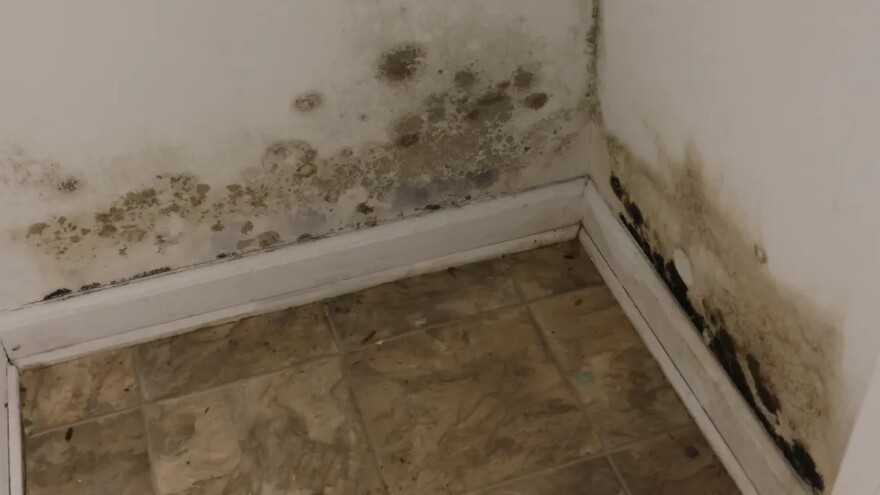
Mold in rental properties is a serious issue for landlords and homeowners in Palm Bay and throughout Brevard County. Florida’s heat, humidity, and frequent rain create ideal conditions for mold to grow—often quietly and out of sight. In rentals, mold problems can escalate quickly, leading to tenant complaints, health concerns, legal disputes, and costly repairs if not addressed properly.
Whether you own a single rental home or manage multiple properties, understanding how mold develops, who is responsible, and how to prevent it is essential for protecting both your investment and your tenants.
Why Rental Properties in Palm Bay Are Vulnerable to Mold
Rental properties face unique mold risks due to:
- High year-round humidity
- Heavy rainfall and seasonal storms
- Tenants unaware of early warning signs
- Delayed reporting of leaks or moisture
- Vacant units with AC turned off
- Older plumbing or roofing systems
Even well-maintained properties can develop mold if moisture goes unnoticed or is not addressed promptly.
Common Causes of Mold in Rental Homes
In Palm Bay rentals, mold often develops from:
- Plumbing leaks under sinks or behind walls
- Roof or window leaks after storms
- AC condensation and clogged drain lines
- High indoor humidity from poor ventilation
- Bathroom moisture from daily showers
- Tenants turning off AC during vacations or vacancies
Mold can begin growing within 24–48 hours once moisture is present.
Where Mold Is Commonly Found in Rental Properties
Mold frequently appears in both visible and hidden areas, including:
- Bathrooms and showers
- Kitchens and under sinks
- Closets on exterior walls
- Behind drywall and insulation
- Under flooring and baseboards
- HVAC systems and ductwork
Visible mold is often just a sign of larger hidden contamination.
Health Concerns for Tenants
Mold exposure can negatively impact tenant health, leading to:
- Sneezing or coughing
- Nasal congestion or sinus irritation
- Eye or throat irritation
- Headaches
- Fatigue
- Worsened asthma or allergies
Health complaints are often the first indication of a mold problem in a rental unit.
Landlord Responsibilities in Florida
In Florida, landlords are generally responsible for providing safe and habitable living conditions.
This typically includes:
- Addressing water leaks promptly
- Maintaining plumbing, roofing, and HVAC systems
- Ensuring proper ventilation
- Responding to mold complaints in a timely manner
Ignoring mold issues can lead to tenant disputes, lease termination, or legal action.
Tenant Responsibilities
Tenants also play a role in mold prevention by:
- Reporting leaks or moisture issues promptly
- Using bathroom exhaust fans
- Avoiding blocking airflow vents
- Keeping AC running at reasonable settings
- Maintaining basic cleanliness
However, structural and moisture-related issues remain the owner’s responsibility.
Why Mold Problems Escalate Quickly in Rentals
Mold spreads fast in rental properties because:
- Tenants may delay reporting issues
- Owners may not inspect units regularly
- Vacant units trap humidity
- DIY cleaning hides, but doesn’t solve, the problem
By the time mold is visible or reported, it may already be widespread.
Why DIY Mold Cleanup Is Risky for Landlords
DIY cleanup often creates bigger problems:
- Mold returns because moisture wasn’t fixed
- Hidden mold remains behind walls or floors
- Tenants’ health complaints continue
- Documentation for insurance or disputes is lost
Professional evaluation protects both property owners and tenants.
Insurance and Mold in Rental Properties
Insurance coverage depends on what caused the mold.
Mold may be covered if caused by:
- A sudden plumbing failure
- Storm-related roof damage
- Sudden AC system malfunction
Mold is usually not covered when caused by:
- Long-term humidity
- Slow leaks
- Poor maintenance
Prompt documentation and professional reports are critical for claims.
Preventing Mold in Palm Bay Rental Properties
Landlords can reduce mold risk by:
- Performing regular property inspections
- Keeping indoor humidity below 55%
- Installing or recommending dehumidifiers
- Maintaining HVAC systems regularly
- Fixing leaks immediately
- Educating tenants on moisture control
- Keeping AC running in vacant units
Prevention is far less expensive than remediation.
When to Call a Professional
Professional help is strongly recommended if:
- Tenants report persistent musty odors
- Health complaints are made
- Mold returns after cleaning
- The property experienced water damage
- Mold appears in HVAC systems
- Legal or insurance documentation is needed
Early action limits liability and repair costs.
Long-Term Risks of Ignoring Mold in Rentals
Failing to address mold can result in:
- Chronic tenant health complaints
- Lease disputes or early termination
- Legal liability
- Structural damage
- Decreased property value
- Expensive remediation later
Mold issues rarely resolve without proper intervention.
Conclusion
Mold in rental properties is a serious concern for homeowners and landlords in Palm Bay and Brevard County, especially in Florida’s humid climate. Because mold affects both health and habitability, quick and professional response is essential.
By staying proactive, responding quickly to moisture issues, and focusing on prevention, property owners can protect tenants, avoid disputes, and preserve the long-term value of their rental properties. When mold is suspected, professional evaluation and proper remediation are the safest and most effective solutions.