
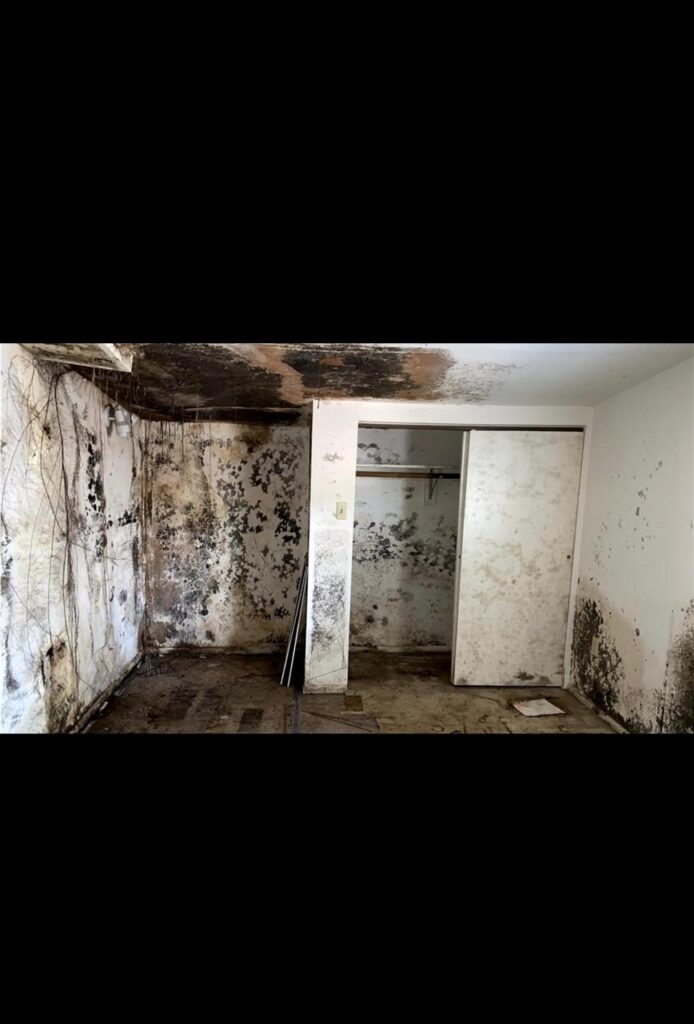
Mold in Rental Properties in Palm Bay: What Homeowners in Brevard County Should KnowMold issues in rental properties are one of the most common—and most complicated—problems landlords and property owners face in Palm Bay and throughout Brevard County. Between Florida’s humidity, frequent rain, and varying tenant habits, mold can develop quickly and lead to complaints, health concerns, disputes, and even legal risk if not handled correctly.For rental property owners, mold isn’t just a maintenance issue—it’s a responsibility issue. Understanding why mold is so common in Palm Bay rentals, where it usually forms, and how to prevent and respond to it protects both the property and everyone living in it.⸻Why Mold Is So Common in Palm Bay Rental PropertiesPalm Bay’s climate creates constant mold pressure, but rental properties face added challenges: • High humidity year-round • Frequent storms and heavy rain • Constant AC use • Tenants unfamiliar with moisture control • Delayed reporting of leaks • Vacant units sitting closed up • Higher wear and tear on plumbing and HVACMold doesn’t require neglect—it only requires moisture and time.⸻Common Mold Locations in Rental Homes and ApartmentsMold in rentals is often hidden until complaints arise.Bathrooms • Shower grout and caulking • Bathroom ceilings • Behind tile and drywall • Under sinksPoor ventilation and frequent use make bathrooms a top mold location.⸻HVAC SystemsHVAC mold affects entire units.Common problem areas: • Air handlers • Evaporator coils • Drain pans and drain lines • DuctworkIf one tenant reports musty odors throughout the unit, HVAC involvement is likely.⸻Kitchens and Laundry Areas • Leaks under sinks • Dishwasher and washing machine hose failures • Moisture trapped behind cabinetsSlow leaks here often go unnoticed until mold is established.⸻Walls, Ceilings, and Flooring • Behind drywall after leaks • Under baseboards • Beneath tile, laminate, or carpet • Ceiling areas below bathrooms or roof linesVisible mold often indicates more hidden growth.⸻Tenant Habits vs Property ConditionsOne of the biggest challenges in rental properties is determining cause.Tenant-Related Factors • Not using bathroom exhaust fans • Turning AC off completely • Blocking vents • Delaying leak reportsProperty-Related Factors • Poor ventilation • HVAC issues • Plumbing defects • Roof or window leaks • Inadequate exhaust fansIn many cases, mold results from a combination of both.⸻Health Complaints and Mold in RentalsTenants often notice health symptoms before visible mold.Common complaints include: • Sneezing or coughing indoors • Sinus congestion • Headaches • Asthma flare-ups • Musty odorsSymptoms that improve when tenants leave the unit are a major warning sign.⸻Why Ignoring Mold Complaints Is RiskyDelaying response to mold concerns can lead to: • Worsening property damage • Increased remediation costs • Tenant dissatisfaction or vacancy • Legal disputes • Insurance complicationsEven small issues can escalate quickly in Florida’s climate.⸻Mold Inspections in Rental PropertiesA professional mold inspection helps clarify: • Whether mold is present • Where moisture is coming from • Whether growth is hidden • If HVAC systems are involvedInspections protect both landlords and tenants by providing documentation and clarity.⸻Mold Testing: When It Makes SenseTesting may be useful when: • Mold is suspected but not visible • Tenants report health symptoms • There is disagreement about mold presence • Documentation is needed for records or insuranceTesting should support inspections, not replace them.⸻Mold Remediation in Rental UnitsEffective remediation focuses on both mold and moisture.Typical remediation steps include: 1. Containment to prevent spore spread 2. HEPA air filtration 3. Removal of contaminated materials 4. Cleaning and antimicrobial treatment 5. Drying and moisture correctionSurface cleaning alone is rarely enough in rental settings.⸻Vacant Units: A High-Risk PeriodVacancy is one of the most common times mold starts.Common mistakes: • Turning AC off • No humidity monitoring • Delayed discovery of leaksBest practices: • Keep AC running • Maintain humidity control • Inspect units regularlyMany mold problems are discovered only after new tenants move in.⸻Insurance and Mold in Rental PropertiesInsurance coverage depends on cause and response time.Mold may be covered if caused by: • Sudden plumbing failures • Appliance malfunctions • Storm-related water intrusionMold from long-term humidity, poor ventilation, or delayed repairs is often excluded. Documentation is critical.⸻Preventing Mold in Palm Bay Rental PropertiesProperty Owner Responsibilities • Maintain HVAC systems and drain lines • Ensure exhaust fans vent outdoors • Repair leaks promptly • Monitor humidity in vacant units • Inspect roofs, plumbing, and windowsTenant Education Helps • Encourage use of exhaust fans • Provide guidance on humidity control • Ask tenants to report leaks immediatelyClear communication reduces mold risk significantly.⸻When to Call a ProfessionalProfessional help is recommended when: • Mold complaints persist • Mold keeps returning • HVAC systems may be involved • Odors spread throughout the unit • Health concerns arise • Insurance claims are possibleEarly action saves time, money, and stress.⸻Why Mold Prevention Matters for LandlordsPreventing mold: • Protects property value • Reduces turnover • Lowers remediation costs • Minimizes disputes • Improves tenant satisfactionIn Florida, prevention is always cheaper than remediation.⸻Final Thoughts for Palm Bay Rental Property OwnersMold in rental properties is common in Palm Bay—but it’s also manageable with the right approach. The key is understanding that mold is driven by moisture, not blame. Prompt maintenance, proper ventilation, humidity control, and early response to tenant concerns make the biggest difference.By staying proactive, property owners can protect their investments, provide healthier living environments, and avoid the costly consequences of untreated mold in Brevard County’s challenging climate.