
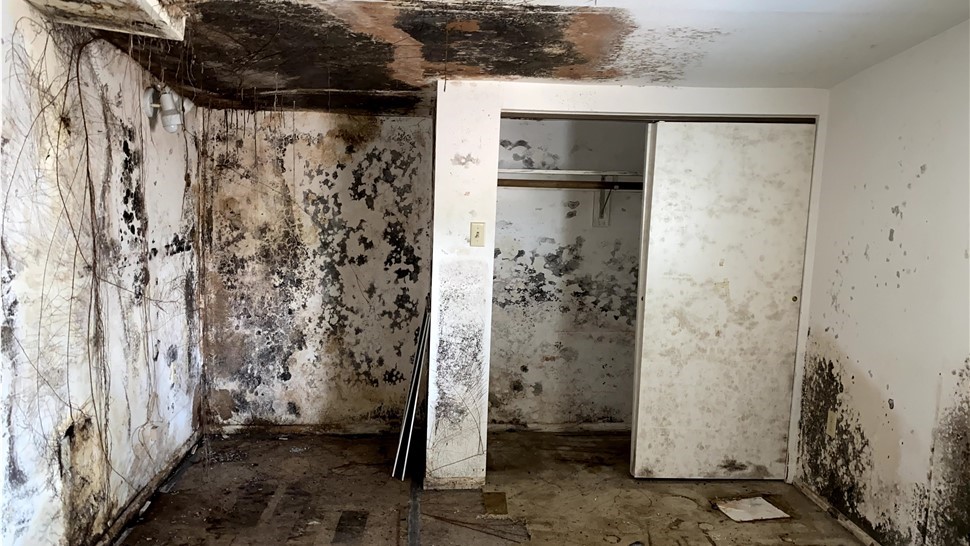
Mold in Rental Properties in Palm Bay: What Homeowners in Brevard County Should Know
Owning rental property in Palm Bay can be a solid investment. The area continues to grow, demand for housing remains steady, and Brevard County attracts long-term residents as well as new arrivals.
But Florida’s climate brings one consistent challenge for landlords: moisture.
Between heavy summer rains, hurricane season, and year-round humidity, mold is a common concern in rental properties across Palm Bay, Melbourne, Rockledge, Titusville, Merritt Island, and surrounding communities.
If you own a rental home in Palm Bay, understanding how mold develops — and how to manage it properly — can protect both your property and your tenant relationships.
Why Rental Properties in Palm Bay Are Especially Vulnerable
Palm Bay homes are typically slab-built with central air conditioning systems running most of the year.
In Brevard County’s climate, several factors increase mold risk in rentals:
- High outdoor humidity
- Frequent summer thunderstorms
- Hurricane-driven rain
- AC drain line clogs
- Roof wear from intense sun exposure
- Tenant lifestyle habits that affect ventilation
Rental properties can experience faster wear and tear than owner-occupied homes, simply because maintenance issues may not be reported immediately.
Even a small plumbing leak or slow roof intrusion can feed hidden mold growth over time.
The Most Common Mold Locations in Palm Bay Rentals
Through inspections across Palm Bay and nearby areas like West Melbourne and Viera, certain patterns appear consistently.
Ceiling Stains After Storms
Heavy rainfall can expose minor roof vulnerabilities. Tenants may notice a small stain but assume it’s cosmetic.
If moisture continues, mold can develop above the drywall in attic insulation.
Around AC Systems
Air handlers in garages or interior closets can leak slowly if drain lines clog.
Because AC systems run constantly in Florida, condensation issues are common.
Bathroom Ceilings
Poor ventilation or tenants not using exhaust fans can create elevated humidity levels in bathrooms.
Small spotting near shower areas often indicates moisture imbalance rather than a plumbing leak.
Under Kitchen Sinks
Slow drain leaks frequently go unnoticed in rental properties until damage becomes visible.
Around Windows
Wind-driven rain in Palm Bay can push moisture behind window frames, especially if caulking is aging.
Rental homes with older window seals are particularly vulnerable.
The Landlord and Tenant Dynamic
One challenge unique to rental properties is communication.
Tenants may:
- Delay reporting minor leaks
- Use portable humidifiers
- Turn off AC systems while away
- Block vents with furniture
- Avoid using exhaust fans
In Palm Bay’s humidity, even small behavioral factors can contribute to mold growth.
At the same time, property owners must ensure:
- Roofing is maintained
- Plumbing is functional
- AC systems are serviced
- Attics are properly ventilated
Clear communication and regular inspections reduce misunderstandings.
When Mold Becomes a Concern
Not every small stain is a major problem.
However, landlords should take action when:
- Musty odors persist
- Visible mold spreads beyond a small area
- Ceiling stains grow
- Flooring warps after heavy rain
- Tenants report damp conditions
Ignoring mold in a rental can lead to larger structural issues over time.
In Rockledge and Merritt Island rentals, we’ve seen small unreported leaks expand into significant attic contamination simply because inspections were delayed.
Early attention protects both property value and tenant safety.
Why DIY Mold Cleanup in Rentals Can Backfire
Landlords sometimes attempt quick fixes between tenants.
Common mistakes include:
- Painting over stained ceilings
- Bleaching visible spots without addressing moisture
- Replacing drywall without drying framing
- Skipping attic inspections after storms
In Brevard County’s humid climate, these temporary fixes often lead to recurring problems.
Mold returns because the source remains.
Professional evaluation identifies whether growth is surface-level or part of a deeper moisture issue.
What a Professional Mold Inspection in Palm Bay Includes
When mold concerns arise in a rental property, a structured inspection provides clarity.
A proper evaluation typically includes:
Visual Assessment
Inspecting ceilings, baseboards, windows, plumbing areas, and HVAC systems.
Moisture Detection
Moisture meters detect elevated levels behind walls and under flooring.
Infrared imaging may identify hidden dampness.
Attic Inspection
Attic ventilation and roof decking are evaluated, especially after storm seasons.
Humidity Measurement
Indoor humidity levels are assessed to determine if environmental conditions are contributing.
Air or Surface Testing (If Needed)
Testing may be helpful if:
- The extent of contamination is unclear
- Documentation is needed
- Tenant concerns about air quality arise
Brevard Mold Inspections & Removal approaches rental inspections with practical, balanced assessments designed to identify real moisture problems without unnecessary alarm.
Proper Remediation in Rental Properties
If remediation is necessary, the focus remains the same as in owner-occupied homes: correct moisture first.
Typical steps include:
- Repairing roof or plumbing leaks
- Servicing AC systems
- Containing affected areas
- Removing contaminated materials if required
- Thorough drying before repairs
In Palm Bay’s climate, drying is especially important before reinstalling drywall or flooring.
Without moisture stabilization, mold can return quickly.
Preventing Mold in Palm Bay Rentals
Prevention in rental properties requires proactive maintenance.
Here are practical steps landlords can take:
- Schedule annual roof inspections
- Service HVAC systems regularly
- Flush AC drain lines
- Inspect properties after heavy rain
- Encourage tenants to report leaks immediately
- Provide guidance on using bathroom exhaust fans
- Monitor indoor humidity levels during inspections
In Titusville, Cocoa, and Viera rentals, landlords who conduct routine walkthroughs often catch minor issues before they escalate.
Consistency matters more than reaction.
Why Local Experience Matters in Brevard County
Florida rental properties behave differently than properties in dry states.
Palm Bay homes face:
- High year-round humidity
- Hurricane-related wind-driven rain
- Slab foundation moisture
- Constant AC operation
An inspector familiar with Brevard County understands how these local factors influence mold growth.
Brevard Mold Inspections & Removal works with homeowners, landlords, and property managers throughout Palm Bay, Melbourne, Rockledge, Merritt Island, Titusville, and Satellite Beach. Local climate knowledge helps identify realistic solutions tailored to Florida homes.
A Practical Perspective for Landlords
Mold in rental properties doesn’t automatically mean major structural damage or complicated disputes.
Most mold situations in Brevard County are manageable when moisture is identified early and corrected properly.
If a tenant reports a musty odor or visible staining, addressing it quickly protects your investment and maintains a positive relationship.
The goal isn’t panic. It’s prevention and informed decision-making.
In Palm Bay’s humid environment, steady maintenance and timely inspections are the best tools landlords have to prevent mold from becoming a larger issue.