Mold in Rental Properties in Palm Bay: What Homeowners in Brevard County Should Know
Owning a rental property in Palm Bay comes with unique responsibilities, and mold is one of the most common—and misunderstood—issues landlords face in Brevard County. Florida’s climate creates conditions where mold can develop even in well-maintained properties, often without immediate warning. High humidity, frequent rain, and year-round air conditioning mean moisture problems can appear quickly, especially when a property is occupied by tenants who may not always notice early signs.
Mold in rental properties is rarely about blame. In Palm Bay, it’s usually about moisture that wasn’t visible, wasn’t reported right away, or couldn’t dry fast enough. Understanding how mold develops in rental homes, why it’s so common locally, and how to manage it responsibly helps property owners protect their investment and avoid ongoing issues.
Why Rental Properties Are More Vulnerable to Mold
Rental homes in Palm Bay experience different conditions than owner-occupied homes. Properties may have higher turnover, varying living habits, and periods where issues go unnoticed between tenants.
Common risk factors include:
- Bathrooms and kitchens used more frequently
- AC systems running constantly with limited maintenance awareness
- Windows and doors opened during humid weather
- Delayed reporting of small leaks or condensation
- Vacant periods where humidity builds up indoors
None of these factors are unusual. Combined with Brevard County’s climate, they can create mold-friendly conditions faster than many landlords expect.
How Mold Commonly Develops in Palm Bay Rentals
Mold growth in rental properties usually begins with moisture that lingers. It doesn’t require flooding or major damage.
Typical starting points include:
- AC condensate drain line clogs
- Plumbing leaks under sinks or behind walls
- Bathroom steam without proper ventilation
- Roof leaks after storms
- Condensation near windows or sliding doors
Because mold doesn’t need light, it often grows behind walls, under flooring, or inside HVAC systems before tenants ever see it.
Why Palm Bay’s Climate Makes Mold a Frequent Issue
Palm Bay’s location inland but still close to the coast creates persistent humidity for much of the year. Afternoon rainstorms, tropical systems, and warm temperatures slow drying and keep moisture levels elevated.
Local contributing factors include:
- High outdoor humidity year-round
- Slab foundations that trap moisture beneath flooring
- Long AC run times creating condensation
- Homes kept closed and air-conditioned most of the year
In rental properties, these conditions can go unnoticed longer if tenants assume odors or condensation are “normal.”
Common Signs of Mold Tenants May Report
In many cases, tenants notice symptoms or conditions before landlords see physical mold.
Common reports include:
- Musty or damp odors
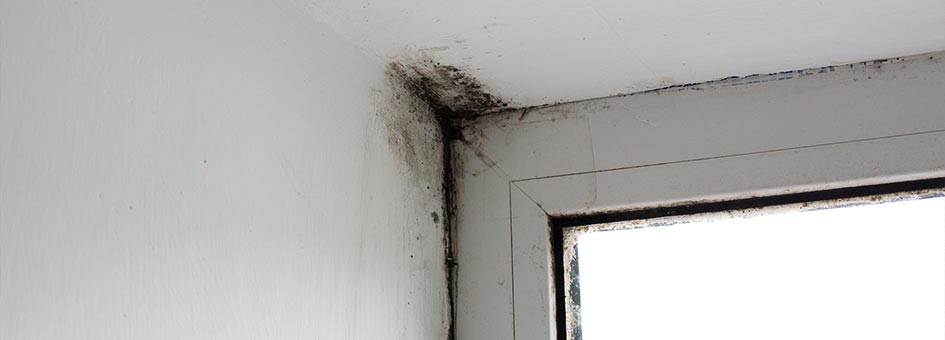
- Dark spots on walls or ceilings
- Bubbling paint or peeling drywall
- Condensation around vents or windows
- Flooring that feels soft or warped
Sometimes tenants don’t report anything at all, and mold is discovered during routine maintenance or at move-out inspections.
Hidden Mold Problems in Rental Properties
Some of the most serious mold issues in Palm Bay rentals are hidden from view. These problems often develop slowly over time.
Common hidden locations include:
- Behind bathroom or kitchen walls
- Beneath laminate or vinyl plank flooring
- Inside attics after roof leaks
- Around HVAC air handlers and ductwork
- Under cabinets with slow plumbing leaks
Because these areas aren’t visible, mold may grow long before anyone realizes there’s an issue.
Why Mold in Rentals Should Be Addressed Quickly
Ignoring mold in a rental property rarely makes it go away. Moisture problems tend to worsen, not stabilize, in Florida’s climate.
Unaddressed mold can lead to:
- Ongoing moisture damage to the structure
- Persistent odors that are difficult to remove
- Repeated tenant complaints
- More extensive remediation later
Early inspection and correction are almost always less disruptive and less costly than waiting.
Why DIY Cleanup Is Risky for Rental Properties
Some landlords attempt to handle mold complaints with surface cleaning or repainting. While this may temporarily hide visible mold, it rarely addresses the underlying moisture issue.
DIY approaches often fail because:
- Moisture sources are not corrected
- Mold roots remain in porous materials
- Hidden growth continues spreading
- Problems return with new tenants
In rental properties, recurring mold issues often point to unresolved moisture, not surface cleanliness.
The Importance of Professional Mold Inspections for Rentals
A professional mold inspection helps clarify what’s actually happening inside a rental property. The focus is on moisture patterns and mold conditions—not assigning blame.
An inspection typically includes:
- Visual evaluation of affected areas
- Moisture detection to locate damp materials
- Assessment of HVAC systems and ventilation
- Inspection of attics, walls, and flooring
- Targeted testing when appropriate
This process helps landlords understand whether mold is present, why it formed, and what steps are necessary to resolve it properly.
Brevard Mold Inspections & Removal works with Palm Bay property owners to provide clear, factual evaluations that support responsible property management.
Mold Remediation in Rental Properties Explained Simply
Mold remediation is more than cleaning. It’s a controlled process designed to remove mold safely and prevent it from returning.
Proper remediation may involve:
- Containment to prevent spread
- Removing contaminated porous materials
- Correcting moisture sources
- Cleaning and treating remaining surfaces
- Ensuring the property dries properly
In many cases, fixing moisture problems prevents mold from coming back, even after tenants change.
Mold vs Moisture: The Real Issue in Rentals
In Palm Bay rentals, mold is almost always a symptom of moisture. Addressing mold without addressing moisture leads to repeat problems.
Common moisture contributors in rentals include:
- Poor bathroom ventilation habits
- AC systems not draining properly
- Leaks that go unreported
- Exterior water intrusion during storms
Solving moisture issues improves the property’s long-term condition and reduces mold risk.
Preventing Mold in Palm Bay Rental Properties
Prevention is one of the most effective tools landlords have.
Practical prevention steps include:
- Regular AC inspections and drain maintenance
- Ensuring exhaust fans function properly
- Inspecting properties after heavy rain
- Addressing leaks immediately
- Monitoring indoor humidity during vacancies
Clear communication with tenants about reporting leaks and ventilation use also plays an important role.
Why Local Brevard County Experience Matters
Mold behavior in Palm Bay is shaped by local weather, construction styles, and humidity patterns. Solutions that work in dry climates often fail in Florida.
Local professionals understand:
- How quickly mold can develop in rentals
- Where moisture commonly hides in Brevard County homes
- How slab foundations affect moisture
- How HVAC systems contribute to indoor humidity
Brevard Mold Inspections & Removal brings that local knowledge to rental property inspections, helping landlords protect their investments with realistic, long-term solutions.
A Practical Path Forward for Property Owners
Mold concerns in rental properties can feel stressful, especially when tenants are involved. The key is addressing issues early, calmly, and with accurate information.
If your Palm Bay rental property has experienced moisture issues, tenant complaints, or unexplained odors, a professional mold inspection can provide clarity. Understanding what’s happening inside the property allows you to take appropriate action, protect the structure, and reduce the risk of ongoing mold problems—without unnecessary disruption.
I