
Mold in Rental Properties in Palm Bay: What Homeowners in Brevard County Should Know
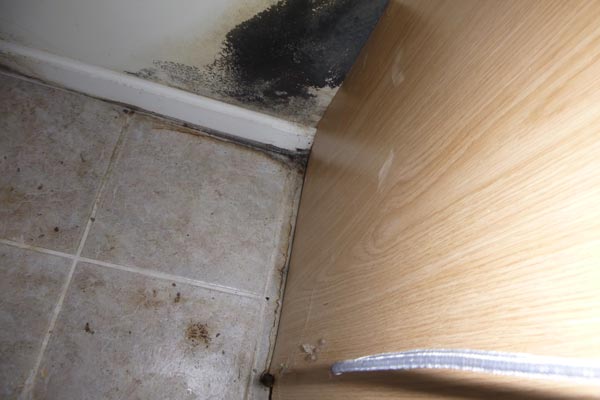
Mold issues are a common concern in rental properties across Palm Bay and Brevard County. Florida’s humidity, frequent rain, and near-constant air-conditioning use create conditions where moisture problems can quietly turn into mold if they aren’t caught early. In rental homes, this risk is often higher because properties may sit vacant between tenants, minor leaks go unreported, or ventilation habits vary from one occupant to the next.
For property owners, understanding how and why mold develops in rentals — and how to manage it responsibly — helps protect both the property and the people living in it.
What Mold in Rental Properties Really Is
Mold grows when moisture feeds organic materials such as drywall, wood, carpet backing, insulation, or dust. Mold spores are always present in the air, but they only become a problem when moisture allows them to grow indoors.
In Palm Bay rental properties, mold rarely appears overnight. It usually develops gradually due to ongoing humidity, small plumbing leaks, condensation, or past water damage that wasn’t fully dried. Because tenants may not notice early signs or may delay reporting them, moisture problems can persist longer than in owner-occupied homes.
Why Mold Is Common in Palm Bay Rental Homes
Palm Bay’s environment plays a major role in rental property mold issues. High humidity, warm temperatures, and heavy seasonal rain make moisture control challenging year-round.
Many rental homes in Palm Bay are built on slab foundations, which can trap moisture beneath flooring after leaks or water intrusion. Air-conditioning systems run almost constantly, and when condensate drain lines clog or airflow is restricted, moisture can build up inside walls, ceilings, and HVAC components.
Storms and hurricanes increase the risk even further. Wind-driven rain, power outages, and delayed maintenance between tenants can allow moisture to linger long enough for mold to begin growing.
Common Signs of Mold in Rental Properties
Mold problems in rentals often show subtle signs before visible growth appears. Tenants or property owners may notice:
- Musty or mildew-like odors
- Dark spots on walls, ceilings, or baseboards
- Bubbling or peeling paint
- Warped flooring or soft drywall
- Excess indoor humidity
Some tenants report irritation or allergy-like symptoms, but symptoms alone don’t confirm mold. They do, however, suggest that moisture conditions should be evaluated promptly.
Hidden Mold Problems Landlords Often Miss
One of the biggest challenges with rental properties is hidden mold. Even when a unit looks clean between tenants, moisture problems can still exist behind the scenes.
Common hidden areas include:
- Behind drywall near plumbing lines
- Under bathroom and kitchen flooring
- Inside cabinets affected by slow leaks
- Attics with poor ventilation or past roof leaks
- HVAC systems that circulate humid air
In Palm Bay and nearby Melbourne and Rockledge, mold is frequently discovered months after the original moisture issue occurred.
Why Quick Fixes and DIY Cleanup Backfire
Some property owners attempt to address mold complaints with surface cleaning, paint, or household cleaners. While this may temporarily improve appearance, it rarely solves the underlying problem.
Bleach doesn’t penetrate porous materials like drywall or wood. Painting over affected areas can trap moisture and allow mold to continue growing out of sight. Without correcting the moisture source, mold is likely to return — often worse than before.
Ignoring tenant complaints or delaying proper evaluation allows mold problems to spread, increasing repair costs and downtime between tenants.
How Professional Mold Inspection Helps Rental Property Owners
A professional mold inspection provides clarity and documentation, which is especially important for rental properties.
A proper inspection may include:
- Visual evaluation of reported problem areas
- Moisture readings inside walls, floors, and ceilings
- Inspection of HVAC systems and ventilation
- Attic and crawl space assessments
- Air or surface sampling when appropriate
Lab analysis, when used, helps guide decisions rather than create fear. The goal is to determine whether mold is present, identify moisture sources, and recommend practical next steps.
Many rental property owners in Brevard County work with Brevard Mold Inspections & Removal for calm, professional inspections grounded in local conditions.
Proper Mold Removal and Remediation in Rental Homes
Effective mold remediation always starts with moisture control. Without fixing leaks, ventilation issues, or humidity problems, mold growth is likely to return.
A proper remediation approach typically includes:
- Containing affected areas to prevent spread
- Removing mold-damaged materials when necessary
- Cleaning and treating salvageable surfaces safely
- Thorough drying of the structure
- Addressing maintenance or design issues that allowed moisture
In rental properties, remediation plans should focus on durability and long-term prevention, not just cosmetic fixes.
Preventing Mold in Palm Bay Rental Properties
Prevention is often more cost-effective than remediation. Regular maintenance and inspections significantly reduce mold risk.
Helpful prevention steps include:
- Inspecting units between tenants
- Maintaining plumbing and HVAC systems
- Ensuring proper bathroom and kitchen ventilation
- Monitoring indoor humidity levels
- Checking attics and crawl spaces periodically
- Scheduling inspections after storms or leaks
Clear communication with tenants about reporting leaks or moisture issues early is also essential.
Why Local Brevard County Experience Matters
Mold behavior in Florida rental properties differs from other regions. Palm Bay homes face humidity, storms, and construction styles that require local understanding.
Older rentals differ from newer developments in Viera or West Melbourne. Coastal and inland areas experience different moisture patterns. Local experience helps ensure inspections and remediation strategies are practical and effective for Brevard County homes.
A Calm, Practical Next Step for Property Owners
If you own a rental property in Palm Bay and suspect mold or recurring moisture issues, a professional inspection can provide clear answers. Addressing problems early helps protect the property, reduce downtime, and avoid repeat issues.
Brevard Mold Inspections & Removal works with homeowners and rental property owners across Palm Bay and Brevard County to provide inspections, testing, and guidance focused on long-term solutions.

