
Mold in Rental Properties in Titusville: What Homeowners in Brevard County Should Know
Rental properties in Titusville come with a unique set of mold challenges. Turnover between tenants, varying housekeeping habits, and periods of vacancy can all affect moisture control. Add Brevard County’s humidity, frequent rain, and year-round air conditioning, and it’s easy to see why mold questions come up so often for landlords and property managers.
The good news is that most mold issues in Titusville rentals are preventable and manageable when they’re addressed early and approached correctly. Understanding how mold develops in rental settings—and what practical steps actually work—helps owners protect their properties and reduce recurring problems.
Why Rental Properties Are More Vulnerable to Mold
Mold needs moisture and time. Rental properties often provide both.
In Brevard County, humidity stays elevated for much of the year. In rentals, moisture control can fluctuate depending on how the space is used. Some tenants run the AC constantly, others turn it off to save energy. Some use bathroom exhaust fans consistently; others don’t use them at all.
Vacancy periods are another factor. When a unit sits empty with limited air circulation, indoor humidity can rise quickly. Moisture builds up in bathrooms, closets, and HVAC systems, creating conditions where mold can start quietly.
Common Mold Locations in Titusville Rentals
Mold in rental properties tends to show up in familiar places.
Bathrooms are a frequent trouble spot. Steam from showers, combined with poor ventilation, often leads to mold on ceilings, grout, caulk, and behind walls near tubs or showers.
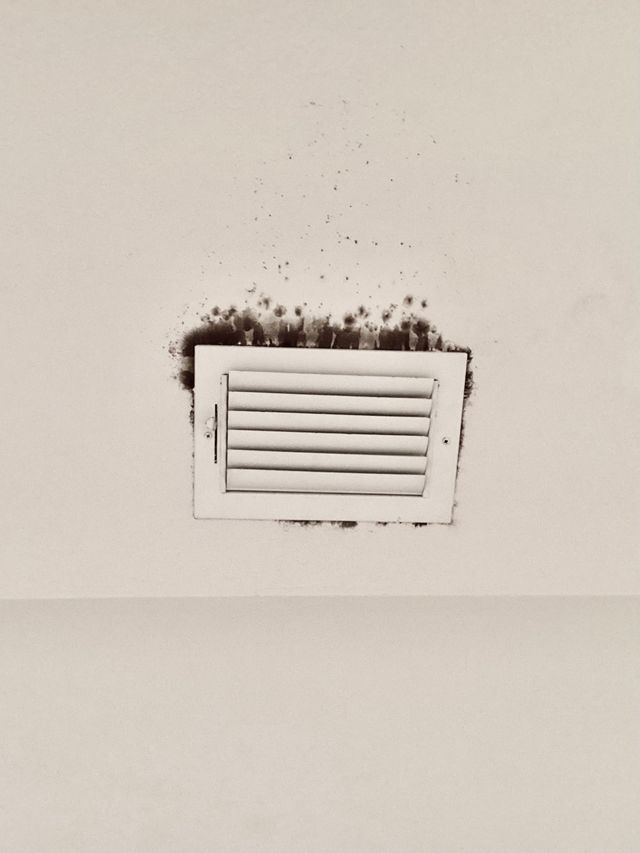
HVAC systems are another major contributor. Condensation from air handlers, clogged drain lines, or damaged duct insulation can introduce moisture into walls, closets, and ceilings—sometimes affecting multiple units in a multi-family property.
Under sinks and behind appliances, slow plumbing leaks may go unnoticed by tenants and keep cabinets damp for long periods.
Attics and wall cavities can also develop mold after roof leaks or wind-driven rain, especially if damage occurs between tenant turnovers.
How Tenant Behavior Influences Mold Risk
Tenant habits can significantly impact moisture levels.
Long, hot showers without ventilation add large amounts of humidity to bathrooms. Turning off the AC for extended periods allows indoor humidity to rise quickly, especially during summer months.
Delayed reporting of leaks is another issue. Tenants may not notice slow plumbing leaks or may wait to report them, allowing moisture to linger and mold to develop behind walls or under floors.
It’s important to note that these situations are common and not necessarily neglect. Clear communication and regular property checks help prevent small issues from becoming larger ones.
Signs Mold May Be Developing in a Rental Unit
Mold in rental properties often presents subtle clues before becoming obvious.
Musty or earthy odors are one of the earliest signs, especially noticeable when a unit has been closed up. In Titusville rentals, these smells may intensify when the AC turns on.
Visual signs can include discoloration on ceilings, bubbling paint, peeling drywall, or mold returning repeatedly after cleaning.
Tenants may also report rooms feeling damp, slow drying after showers, or condensation around vents and windows.
Addressing these signs early usually keeps repairs smaller and less disruptive.
Why Mold Often Appears Between Tenants
Turnover periods are a common time for mold to develop.
When a unit is vacant, air conditioning may be set higher or turned off. Without consistent cooling and dehumidification, indoor humidity rises. Moisture settles in bathrooms, closets, and HVAC components.
If cleaning crews introduce water during turnover—such as steam cleaning carpets or mopping without adequate drying—humidity can remain elevated even longer.
By the time a new tenant moves in, mold may already be present, leading to complaints soon after occupancy.
The Limits of Surface Cleaning in Rentals
Surface cleaning is often the first response to mold complaints, but it has limits.
Cleaning visible mold can improve appearance, but it doesn’t address moisture or mold inside porous materials like drywall, wood, or insulation. In Florida’s humid climate, mold often grows beneath the surface.
Bleach and household cleaners may lighten stains but don’t prevent regrowth if moisture remains. In some cases, repeated cleaning actually worsens conditions by adding more moisture.
For rental properties, repeated surface cleaning without addressing the cause often leads to recurring complaints and higher long-term costs.
Why DIY Mold Fixes Create Ongoing Problems
DIY mold fixes in rental units frequently backfire.
Scrubbing mold without containment can spread mold to other areas through air movement or HVAC systems. In multi-unit buildings, this can affect neighboring units.
Quick fixes also tend to overlook hidden moisture sources—like slow leaks, condensation inside walls, or attic issues—allowing mold to return weeks or months later.
For property owners, this cycle leads to repeated repairs, unhappy tenants, and avoidable downtime.
How Professional Mold Inspections Help Rental Owners
A professional mold inspection focuses on clarity and documentation.
Inspections typically include a visual assessment of the unit, moisture detection using meters, and evaluation of HVAC systems, ventilation, and plumbing areas. The goal is to identify where moisture is coming from and how long it may have been present.
When appropriate, air or surface samples may be collected and sent to an independent laboratory to document mold conditions. This is especially helpful in rental situations where clear records are important.
Local professionals such as Brevard Mold Inspections & Removal emphasize explaining findings in plain language so owners can make informed decisions without guesswork.
What Proper Mold Remediation Looks Like in Rentals
Effective remediation addresses both mold and moisture.
The process often includes containment to prevent spread, removal or treatment of affected materials, and correction of moisture sources. Porous materials with significant growth—such as drywall or insulation—may need to be removed and replaced.
Just as important is fixing what allowed moisture to persist. This may involve HVAC drainage repairs, improved ventilation, plumbing fixes, or humidity control measures.
Proper remediation helps prevent repeat issues and protects the long-term condition of the property.
Preventing Mold in Titusville Rental Properties
Prevention is far more cost-effective than repeated remediation.
Regular HVAC maintenance helps control humidity and prevents condensation issues. Drain lines should be kept clear, filters replaced on schedule, and duct insulation maintained.
Bathroom exhaust fans should vent outdoors and function properly. Educating tenants on using fans and reporting leaks promptly goes a long way.
During vacancies, keeping the AC running at appropriate settings helps maintain humidity control. Periodic checks during longer vacancies can catch issues early.
Routine inspections between tenants help identify small problems before they grow.
Why Local Experience Matters for Rental Properties
Mold behavior varies by climate and construction.
Titusville rentals face humidity, frequent storms, slab foundations, and Florida-specific HVAC designs. Local experience helps professionals recognize common moisture pathways and avoid misdiagnosis.
What works in drier climates often fails in Brevard County rentals.
A Practical Takeaway for Titusville Rental Owners
Mold in rental properties is usually a moisture management issue, not a mystery.
By focusing on ventilation, HVAC performance, timely repairs, and proactive inspections, rental owners in Titusville can reduce mold risk significantly. When issues do arise, professional evaluation helps clarify the cause and guide effective solutions.
With consistent attention and local expertise, rental properties can remain comfortable, durable, and easier to manage—benefiting both owners and tenants over the long term.