
Mold in Rental Properties in Titusville: What Homeowners in Brevard County Should Know
If you own a rental property in Titusville, mold is one of those issues you never want to get a phone call about — but in Brevard County, it’s not uncommon.
Between high humidity, heavy summer rain, hurricane season, slab foundations, and year-round AC use, moisture is simply part of living in coastal Florida. When you combine that with tenant occupancy, varying housekeeping habits, and maintenance timing, mold can develop quickly if moisture isn’t managed properly.
Whether you’re a landlord in Titusville, managing a duplex in Cocoa, overseeing rentals in Palm Bay, or leasing a property in Rockledge or Viera, understanding how mold develops — and how to handle it correctly — protects both your property and your investment.
Let’s walk through what rental property owners in Titusville should know.
Why Mold Is Common in Titusville Rentals
Titusville sits along the Indian River and experiences:
- High year-round humidity
- Frequent summer thunderstorms
- Hurricane-related rainfall
- Slab foundations
- Continuous air conditioning use
- Hot attic conditions
In rental properties, additional factors may contribute:
- Bathroom fans not used consistently
- AC filters not changed regularly
- Windows left open during humid weather
- Small plumbing leaks not reported immediately
- Deferred maintenance between tenants
Mold doesn’t require major flooding. Elevated humidity or a slow leak can be enough.
Common Mold Locations in Titusville Rentals
In Brevard County rental homes, mold frequently develops in:
Bathrooms
Steam buildup on ceilings and walls when exhaust fans aren’t used.
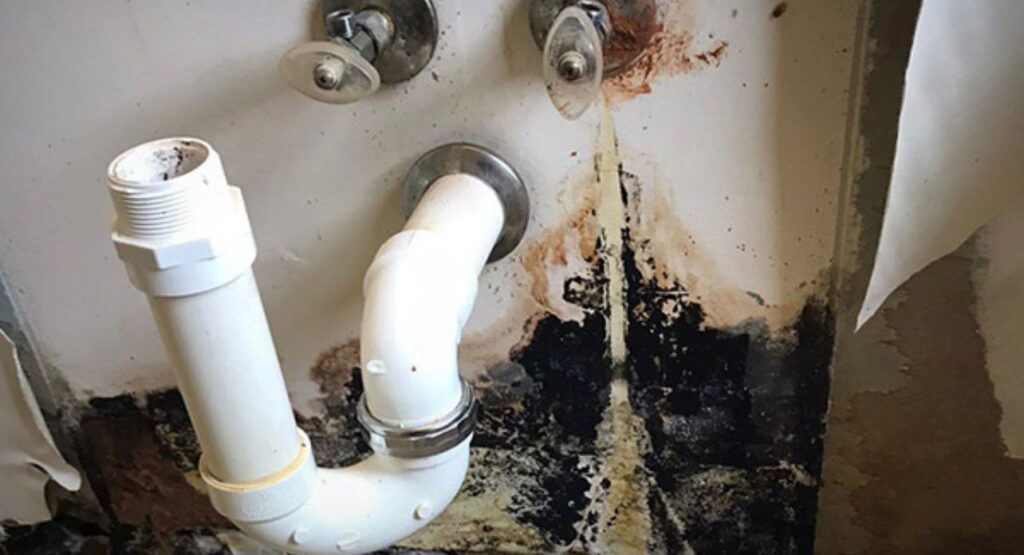
Under Sinks
Small plumbing leaks that go unnoticed.
Around AC Vents
Condensation buildup from HVAC systems.
Under Flooring
Slab moisture trapped beneath laminate or vinyl flooring.
Attics
Poor ventilation combined with humid air creates roof decking mold.
Closets
Limited airflow allows humidity to collect.
Each of these areas ties back to moisture control.
Landlord Responsibilities vs. Tenant Habits
Florida law requires landlords to maintain safe and habitable conditions. That includes addressing water intrusion and structural moisture issues.
However, some mold situations are influenced by tenant behavior, such as:
- Not running bathroom fans
- Blocking air vents
- Failing to report leaks
- Overcrowding small spaces with limited airflow
Regardless of cause, once mold is reported, it’s important to evaluate the property quickly.
Prompt inspection protects both property value and tenant satisfaction.
The Importance of Early Inspection
When a tenant reports a musty smell or visible mold, early inspection makes a difference.
A structured mold inspection in Titusville may include:
- Visual evaluation
- Moisture meter readings in walls and floors
- Slab moisture assessment
- Attic ventilation review
- HVAC system inspection
- Air sampling if needed
The goal is to identify:
- The moisture source
- The extent of contamination
- Whether remediation is required
At Brevard Mold Inspections & Removal, inspections focus on identifying moisture patterns specific to Brevard County homes.
Early detection keeps repairs manageable.
Why DIY Fixes Can Backfire in Rentals
Some landlords attempt quick cosmetic fixes between tenants:
- Painting over mold
- Replacing small drywall sections without drying
- Cleaning surfaces without correcting leaks
In Florida’s humid climate, these temporary solutions often lead to recurring issues.
If moisture isn’t addressed properly, mold returns — sometimes worse than before.
In rental properties, recurring mold can create disputes and turnover problems.
Professional evaluation ensures the issue is fully resolved.
Mold Remediation in Rental Properties
If mold remediation is required, the process typically includes:
- Containment of affected areas
- Removal of contaminated drywall or insulation
- Cleaning structural framing
- HEPA air filtration
- Correcting moisture sources
- Thorough drying
Drying is critical in Titusville’s humid environment.
Rebuilding before materials are fully dry increases the risk of recurrence.
Hurricanes and Storm Damage in Rentals
After hurricane season in Titusville or nearby Merritt Island, rental homes may experience:
- Roof leaks
- Wind-driven rain intrusion
- Slab saturation
- AC strain
Even minor storm damage can create hidden moisture.
Post-storm inspections help prevent tenant complaints later.
Documenting storm-related moisture is also important for insurance purposes.
Preventing Mold Between Tenants
Preventive maintenance reduces mold risk and protects your rental investment.
Landlords in Brevard County can:
- Inspect roofs annually
- Service AC systems regularly
- Flush condensate drain lines
- Inspect attic ventilation
- Monitor slab moisture after heavy rain
- Use dehumidifiers if needed
- Seal air leaks
- Educate tenants about ventilation
Providing simple instructions to tenants about running bathroom fans and reporting leaks early can prevent larger problems.
Why Local Experience Matters
Mold in Titusville rentals behaves differently than mold in dry inland climates.
Here, we manage:
- Coastal humidity
- Hurricane rainfall
- High water tables
- Slab foundations
- Continuous AC operation
- Attic heat buildup
Rental homes in Titusville may differ from properties in Cocoa Beach, Cape Canaveral, Palm Bay, or Rockledge.
Understanding Brevard County’s building styles and moisture behavior ensures inspections focus on realistic causes.
Local experience prevents unnecessary repairs and helps resolve tenant concerns efficiently.
A Calm, Practical Approach
Mold in rental properties can feel stressful — especially when tenants are involved.
The key is responding calmly and methodically:
- Identify the moisture source.
- Determine the extent of mold growth.
- Correct the underlying cause.
- Remediate properly if needed.
Most mold issues in Titusville are manageable when addressed early.
If you manage rental properties in Brevard County and want clarity about a potential mold concern, Brevard Mold Inspections & Removal provides experienced, locally informed inspections tailored specifically to coastal Florida conditions.
Managing moisture properly protects your investment, supports tenant satisfaction, and keeps your property stable year-round.