
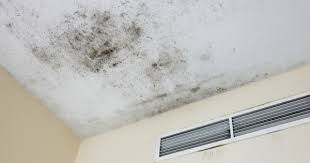
Mold in Rental Properties in Titusville: What Homeowners in Brevard County Should Know
Owning a rental property in Titusville can be a solid investment. With steady demand from space industry employees, seasonal residents, and long-term tenants, many Brevard County homeowners rely on rental income.
But Florida’s humidity doesn’t care whether a property is owner-occupied or rented.
Mold issues in rental homes are common throughout Titusville, Cocoa, Rockledge, and Palm Bay — especially when moisture goes unnoticed for weeks or months.
If you own a rental property in Titusville, understanding how mold develops, who is responsible for what, and how to prevent recurring problems is critical.
Why Rental Properties Face Higher Mold Risk
Rental homes often experience unique moisture challenges.
Tenants may:
- Keep AC settings higher than recommended
- Turn systems off while traveling
- Block vents with furniture
- Avoid reporting small leaks immediately
- Run long hot showers without ventilation
In Titusville’s humid climate, even small changes in airflow or temperature can increase indoor moisture.
If humidity rises above 55–60%, mold risk increases significantly.
Properties near the Indian River Lagoon experience persistent moisture exposure year-round.
Common Mold Locations in Titusville Rentals
In Brevard County rental properties, mold typically appears in predictable areas.
Bathrooms
Poor ventilation and long showers create condensation on ceilings and walls.
Under Sink Cabinets
Slow plumbing leaks can go unnoticed if tenants store items tightly against pipes.
Around Windows
Storm-driven rain can seep past aging seals.
Attics
Roof leaks or poor ventilation often go unnoticed in rental homes where attic access is limited.
HVAC Closets
Clogged condensate drain lines are one of the most common moisture sources in Florida homes.
In slab-built homes common throughout Titusville and Palm Bay, water can also become trapped under flooring.
Who Is Responsible for Mold in a Rental?
Responsibility typically depends on the source of moisture.
If mold results from:
- Roof leaks
- Plumbing failures
- HVAC system malfunctions
- Structural issues
The property owner is generally responsible for addressing repairs and remediation.
If mold results from:
- Failure to report leaks
- Intentional AC shutoff in high humidity
- Lack of basic ventilation use
Responsibility may be more complex.
Clear lease agreements and prompt communication are essential.
From a practical standpoint, early inspection helps clarify cause before disputes escalate.
Why Delays Make Rental Mold Worse
In rental situations, small problems often go unreported.
A minor leak under a sink can continue for weeks before being noticed.
In Titusville’s humid climate:
- Wood framing absorbs moisture
- Insulation retains dampness
- Drywall softens
- Mold spreads quickly
By the time a tenant reports musty odors, hidden growth may already be established.
Routine property checks reduce long-term damage.
Signs Mold May Be Developing in Your Rental
Landlords should watch for:
- Tenant complaints of musty odors
- Peeling paint
- Expanding ceiling stains
- Warped baseboards
- Increased indoor humidity
- Recurring bathroom discoloration
In Rockledge and Merritt Island rentals, attic condensation often goes unnoticed until visible staining appears.
Odor is often the earliest warning sign.
The Role of HVAC Maintenance in Rental Properties
HVAC systems are central to mold prevention in Brevard County rentals.
Common issues include:
- Clogged condensate drain lines
- Dirty evaporator coils
- Blocked airflow from furniture placement
- Oversized systems short-cycling
Regular servicing reduces humidity imbalance.
Encouraging tenants not to turn off the AC completely during humid months is especially important in Titusville.
Humidity can spike rapidly when cooling stops.
What a Mold Inspection in a Rental Property Includes
When mold is suspected, a professional inspection typically involves:
Visual Assessment
Checking bathrooms, kitchens, ceilings, attic spaces, HVAC systems, and plumbing areas.
Moisture Detection
Using moisture meters to detect hidden dampness behind drywall and under flooring.
Humidity Measurement
Assessing indoor environmental conditions.
Attic Evaluation
Inspecting insulation and roof decking for storm-related moisture.
Sampling (If Necessary)
Air or surface sampling may be used if documentation is required.
Brevard Mold Inspections & Removal approaches rental inspections carefully, focusing on moisture source identification rather than assumptions.
How Mold Remediation Is Handled in Rentals
If remediation is necessary, steps typically include:
- Correcting the moisture source
- Containing affected areas
- Removing contaminated drywall or insulation
- Cleaning structural materials
- HEPA air filtration
- Thorough drying
In Florida’s climate, drying is essential before rebuilding.
Without moisture correction, mold often returns — especially in rental settings where humidity habits vary.
Preventing Mold in Titusville Rental Properties
Prevention requires both maintenance and communication.
Landlords can:
- Schedule annual HVAC servicing
- Flush AC drain lines regularly
- Inspect roofs before and after hurricane season
- Conduct periodic property walk-throughs
- Seal windows and exterior gaps
- Keep gutters clear
- Educate tenants about humidity control
Encouraging tenants to:
- Run bathroom exhaust fans
- Report leaks immediately
- Avoid turning off AC during humid periods
helps reduce long-term risk.
After hurricanes affecting Satellite Beach or Cocoa Beach, inspecting rental properties promptly is wise.
Why Local Experience in Brevard County Matters
Mold in Florida rentals behaves differently than in dry states.
Titusville properties face:
- Lagoon-driven humidity
- Hurricane wind pressure
- Slab foundation moisture
- Warm attic environments
- Continuous AC operation
An inspector familiar with Brevard County understands these environmental pressures and how they affect rental properties specifically.
Brevard Mold Inspections & Removal works throughout Titusville, Rockledge, Melbourne, Palm Bay, Merritt Island, and surrounding communities. Local knowledge ensures accurate assessments tailored to Florida’s climate.
A Practical, Proactive Approach
Mold in rental properties in Titusville is not uncommon — but it is manageable with consistent oversight.
The key is identifying moisture early, responding promptly, and maintaining clear communication with tenants.
Small leaks become larger issues when ignored.
If you own a rental property and suspect mold, a professional inspection provides clarity and direction.
In Brevard County’s humid environment, steady moisture management protects both your investment and your tenants.