
Mold in Rental Properties in Titusville: What Homeowners in Brevard County Should Know
Rental properties in Titusville face mold risks that are different from owner-occupied homes. Turnover between tenants, varying maintenance habits, and long periods when units sit vacant all create opportunities for moisture to build up unnoticed. In Brevard County’s warm, humid climate, it doesn’t take much for mold to develop once moisture is present.
From Titusville and Mims to nearby communities like Cocoa, Rockledge, and Merritt Island, mold in rental properties is one of the most common issues discovered during inspections. For property owners, understanding why rentals are especially vulnerable, where mold typically appears, and how to manage it responsibly helps protect both the property and the people living in it.
Why Mold Is More Common in Rental Properties
Rental homes often experience gaps in oversight. A small leak, AC issue, or ventilation problem may go unreported by a tenant or overlooked during vacancy periods. In Florida, even a short delay can allow moisture to linger long enough for mold to start growing.
In Titusville, humidity remains high most of the year. When a rental unit sits vacant without air circulation or proper humidity control, indoor moisture levels can rise quickly. Mold can develop quietly in bathrooms, closets, attics, or HVAC systems before anyone realizes there’s a problem.
Tenant habits also vary. Some tenants use exhaust fans consistently, others rarely do. Some report leaks immediately, others wait. These differences make rental properties more vulnerable to hidden moisture issues.
Common Mold Triggers in Titusville Rentals
Plumbing leaks are one of the most frequent triggers. Slow drips under sinks, behind toilets, or inside walls can go unnoticed for weeks. In multi-unit buildings, leaks from neighboring units can also introduce moisture.
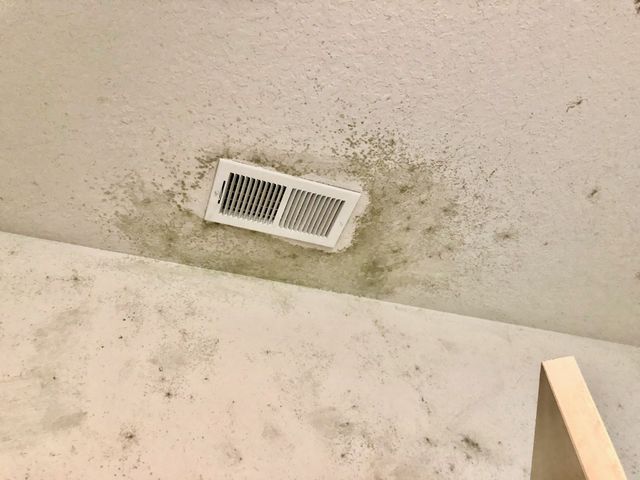
HVAC-related moisture is another common cause. Clogged drain lines, overflowing pans, or poor airflow allow condensation to collect inside air handlers and ductwork. Because AC systems run most of the year in Brevard County, these issues are especially common in rentals.
Bathrooms and laundry areas are frequent problem spots. Poor ventilation, cracked grout, or worn caulk allow moisture to enter walls and ceilings. Roof leaks after storms are also a major contributor, especially when attic moisture isn’t discovered right away.
Where Mold Commonly Develops in Rental Homes
Bathrooms are at the top of the list. Mold often appears on ceilings, behind tile, and around exhaust fans where steam accumulates.
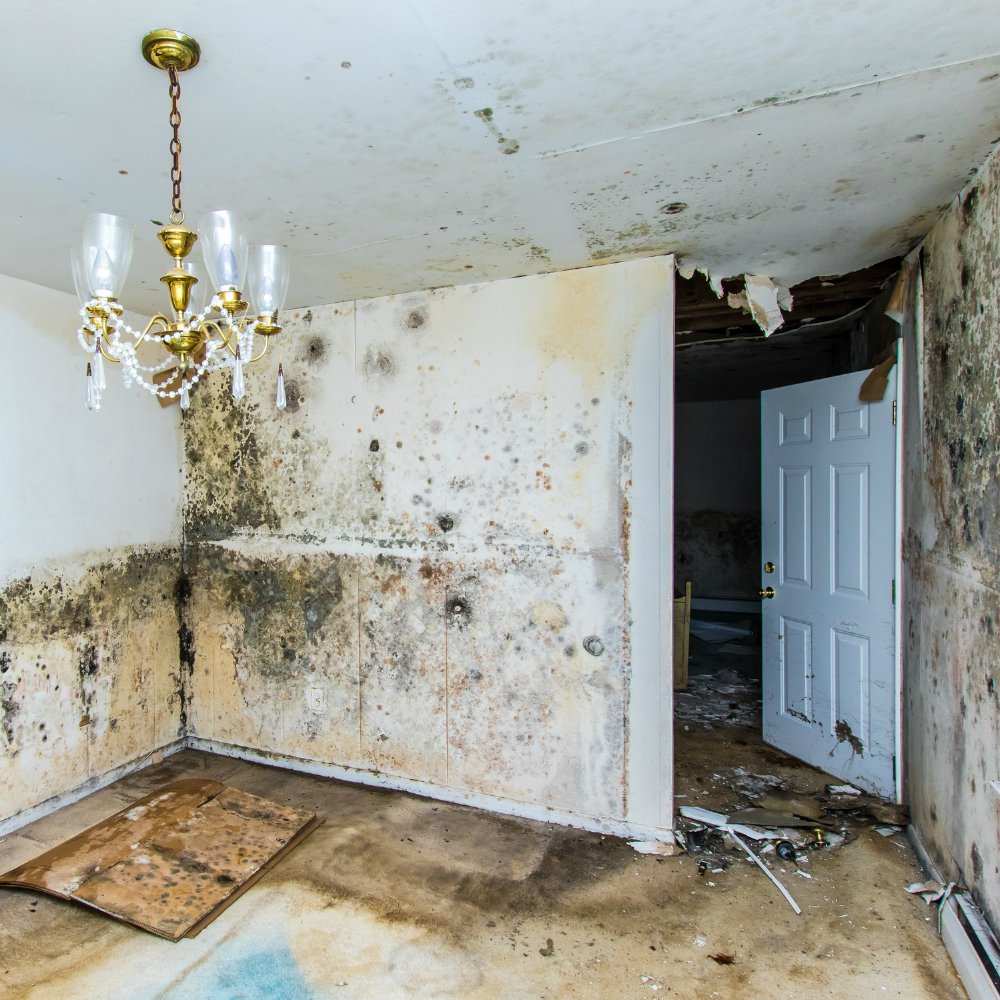
Behind drywall is another frequent location. Water from plumbing leaks or window intrusion travels inside wall cavities and spreads moisture far beyond the visible damage.
HVAC systems are a major concern in rental properties. Mold can grow near air handlers, drain pans, and inside ductwork, circulating odors and moisture throughout the unit.
Attics are also commonly affected, especially when bathroom fans vent into attic spaces or when roof leaks soak insulation. In Titusville rentals, attic mold is often discovered during inspections between tenants.
Signs Mold May Be Present in a Rental Property
Tenant complaints are often the first clue. Musty odors, especially when the AC turns on, are one of the most common signs.
Visible staining on ceilings or walls, bubbling paint, peeling baseboards, or warped flooring can all indicate moisture and possible mold growth. Units that feel unusually humid, even with the AC running, may also have underlying moisture issues.
In some cases, mold is discovered only after a tenant moves out, when maintenance staff notice odors or damage that wasn’t previously reported.
Why Mold in Rentals Often Gets Worse Over Time
Delays are a major factor. When mold is treated as a cosmetic issue or postponed until the next turnover, moisture conditions continue unchecked.
Surface cleaning may temporarily improve appearance, but it doesn’t address moisture sources or hidden growth. In Florida’s climate, mold tends to spread when conditions remain favorable.
Over time, mold can affect insulation, drywall, flooring, and even structural wood. The longer it’s left unresolved, the more extensive remediation typically becomes.
The Role of Moisture Management Between Tenants
Vacancy periods are a high-risk time for mold development. When units are unoccupied, air circulation often stops, and humidity can rise quickly.
Without regular checks, small leaks or AC issues can go unnoticed. In Titusville, even a few weeks of elevated humidity can lead to mold growth in closets, bathrooms, or HVAC systems.
Consistent moisture management between tenants is one of the most effective ways to prevent mold in rental properties.
Professional Mold Inspection for Rental Properties
A professional mold inspection helps rental property owners understand the scope of a mold issue and its underlying causes. Inspections focus on moisture sources, visible and hidden mold, and building conditions that allow mold to grow.
This includes inspecting bathrooms, kitchens, HVAC systems, attics, and areas with past water damage. Moisture detection tools help locate damp materials behind walls or under flooring.
When appropriate, air or surface sampling may be used to provide objective information. This can be especially helpful for documentation or when mold is suspected but not visible.
Clear inspection results help owners make informed decisions and avoid unnecessary work.
Proper Mold Remediation in Rental Homes
Effective mold remediation addresses both mold removal and moisture correction. Containment is used to prevent spores from spreading during the process.
Mold-affected materials such as drywall, insulation, or flooring may need to be removed if contamination is deep. Salvageable surfaces are cleaned using appropriate methods.
Correcting moisture sources is critical. This may involve plumbing repairs, HVAC maintenance, ventilation improvements, roof repairs, or sealing exterior openings.
In Florida rentals, remediation must focus on long-term moisture control, not short-term appearance. Brevard Mold Inspections & Removal approaches rental property mold with a prevention-focused mindset rather than quick fixes.
Preventing Mold in Titusville Rental Properties
Prevention starts with routine inspections, especially between tenants. Checking plumbing, HVAC systems, bathrooms, and attics helps catch moisture early.
Maintaining airflow during vacancies is important. Keeping the AC running at appropriate settings helps control humidity even when the unit is unoccupied.
Clear communication with tenants also matters. Encouraging prompt reporting of leaks, odors, or moisture helps prevent small issues from becoming larger problems.
Regular roof inspections and AC maintenance reduce the risk of storm-related and condensation-related mold issues common in Brevard County.
Why Local Experience in Brevard County Matters
Rental properties in Titusville face challenges shaped by local climate, construction styles, and storm patterns. What works in drier regions often fails in Florida’s humid environment.
Local experience means understanding how slab foundations, coastal humidity, and year-round AC use affect rental homes. It also means knowing where mold is most likely to develop in Titusville properties.
Professionals familiar with Brevard County conditions can identify risks early and recommend practical, climate-appropriate solutions.
A Calm, Practical Next Step for Property Owners
If you own or manage a rental property in Titusville and are dealing with musty odors, recurring moisture issues, or visible mold, getting clear information is the best first step. A professional inspection can help you understand what’s happening and what makes sense to address.
Property owners throughout Brevard County benefit from proactive moisture management and early assessment. Brevard Mold Inspections & Removal helps rental property owners identify mold risks, understand underlying moisture issues, and take practical steps to protect their investments.
Handled correctly, mold in rental properties is manageable, and preventing repeat problems is absolutely achievable in Florida’s climate.