
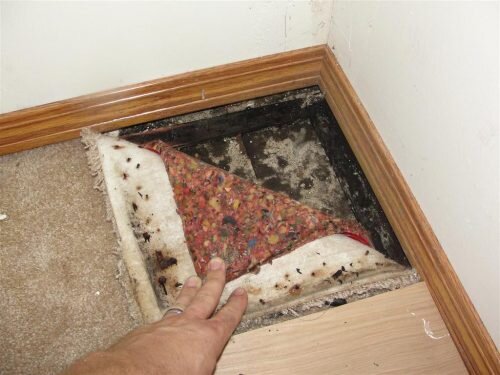
Mold in Slab Homes in Merritt Island: What Merritt Island Property Owners Should Know
Slab-on-grade homes are extremely common across Merritt Island. Many neighborhoods from North Merritt Island down through South Merritt Island, including homes near Sykes Creek, Banana River, and the Indian River Lagoon, were built on concrete slab foundations.
While slab homes offer durability and stability, they also come with unique moisture challenges in Florida’s coastal climate. One of the most common hidden issues affecting these homes is mold related to moisture coming from or trapped around the slab foundation.
Unlike homes with crawl spaces, slab homes often hide moisture problems beneath flooring or inside walls, making mold growth difficult to detect until damage becomes serious.
Understanding how mold affects slab homes helps property owners take early action and prevent costly repairs.
Let’s walk through what Merritt Island homeowners should know.
What Makes Slab Homes Different
A slab home is built directly on a concrete foundation poured over prepared ground. Flooring materials sit directly on top of the slab, and walls are built on the same surface.
This construction style eliminates crawl spaces but creates other moisture challenges because:
- Concrete absorbs and releases moisture
- Ground moisture can move upward into the slab
- Flooring materials sit directly on the foundation
- Plumbing pipes are often embedded in the slab
- Moisture problems remain hidden beneath floors
In Merritt Island’s humid coastal environment, these factors create conditions where mold can develop without obvious warning signs.
How Mold Develops in Slab Homes
Mold growth requires moisture, warmth, and organic material. Slab homes provide these conditions when moisture enters or remains trapped.
Common mold locations in slab homes include:
- Under laminate or vinyl flooring
- Beneath carpets and padding
- Around baseboards and walls
- Behind cabinets or appliances
- Inside wall cavities near floors
- Under tile where moisture seeps through grout
Even when floors appear dry, moisture trapped below flooring can support mold growth on subfloor materials, adhesives, and wall framing.
Because the slab hides moisture movement, mold often spreads quietly.
Why Slab Homes in Merritt Island Face Higher Mold Risk
Several local environmental factors increase mold risk in slab homes across Brevard County.
High Water Tables
Many Merritt Island neighborhoods sit close to groundwater levels. Moisture can move upward through concrete slabs over time.
Coastal Humidity
Outdoor humidity remains high year-round, slowing indoor drying and increasing condensation risks.
Frequent Storms and Heavy Rains
Stormwater saturation around homes allows moisture to seep into foundations and flooring materials.
AC Condensation and Temperature Differences
Air conditioning cools interiors while slabs remain warmer or cooler depending on conditions, creating condensation opportunities.
Plumbing Lines in Slabs
Water supply or drain lines embedded in slabs sometimes leak slowly, causing hidden moisture problems.
Waterfront Living Conditions
Homes near Sykes Creek or Banana River experience elevated moisture exposure due to proximity to waterways.
All these factors contribute to slab moisture challenges.
Common Signs Mold May Be Present
Because mold often grows under floors or inside walls, warning signs can seem minor at first.
Homeowners commonly notice:
- Musty odors indoors
- Flooring that feels soft or spongy
- Warped or buckling floors
- Dark stains along baseboards
- Peeling paint near floors
- Recurring mold along walls
- Persistent humidity indoors
Some homeowners replace flooring only to see problems return because the moisture source remains untreated.
Odors often become strongest during humid weather or when air conditioning runs frequently.
Hidden Moisture Sources in Slab Homes
Moisture in slab homes can come from several hidden sources.
Ground Moisture Migration
Moisture naturally moves upward through concrete slabs.
Plumbing Leaks
Water lines inside slabs sometimes develop leaks that remain unnoticed.
Appliance Leaks
Dishwashers, refrigerators, and washing machines can leak slowly.
Storm or Flood Intrusion
Heavy rain or minor flooding events introduce moisture beneath floors.
Poor Exterior Drainage
Water collecting near foundations increases slab moisture.
Window and Door Leaks
Water entering near walls spreads beneath flooring.
Because flooring hides these issues, mold can spread before discovery.
Why DIY Cleanup Rarely Solves Slab Mold Problems
Homeowners sometimes attempt to fix mold problems themselves, but slab moisture issues require more than surface cleaning.
Common DIY mistakes include:
Cleaning Visible Mold Only
Mold beneath floors remains untreated.
Using Bleach or Sprays
These rarely reach contamination below surfaces.
Installing New Flooring Over Damage
This traps moisture and mold beneath new materials.
Ignoring Moisture Sources
Leaks or slab moisture remain unresolved.
Removing Materials Without Containment
Spores spread throughout the home.
Temporary solutions usually lead to recurring problems.
Professional Mold Inspection in Slab Homes
A professional inspection helps determine whether mold or moisture problems exist beneath flooring.
Inspection typically includes:
Visual Assessment
Examining floors, walls, and baseboards.
Moisture Detection Tools
Identifying moisture beneath surfaces.
Leak Investigation
Checking plumbing and appliances.
Flooring Evaluation
Determining whether contamination has spread.
Testing When Needed
Air or surface samples may confirm mold presence.
Findings guide remediation planning.
Proper Mold Remediation in Slab Homes
Professional remediation focuses on removing contamination safely and correcting moisture problems.
Typical steps include:
Containment Measures
Preventing spores from spreading.
Flooring Removal
Affected flooring materials are removed.
Cleaning Structural Surfaces
Subfloors and framing are treated safely.
Drying and Dehumidification
Moisture is fully removed.
Correcting Moisture Sources
Leaks or drainage problems are addressed.
Prevention Guidance
Homeowners receive recommendations to avoid recurrence.
The goal is eliminating mold while preventing future moisture buildup.
Preventing Mold in Slab Homes in Merritt Island
Homeowners can reduce risks with regular monitoring and maintenance.
Helpful prevention steps include:
- Monitoring floors for warping or dampness
- Fixing plumbing leaks immediately
- Maintaining exterior drainage
- Inspecting homes after storms
- Using dehumidifiers in humid periods
- Maintaining AC systems
- Monitoring indoor humidity levels
- Checking appliances regularly
Routine inspections help catch small issues early.
Why Local Experience Matters
Moisture problems in slab homes vary by climate and construction style.
Professionals familiar with Merritt Island understand:
- Coastal humidity patterns
- Slab construction methods used locally
- Common moisture intrusion points
- Storm-related moisture behavior
- Plumbing challenges in island homes
Local experience allows faster and more effective solutions.
Companies like Mold Removal Merritt Island regularly inspect slab homes throughout Merritt Island neighborhoods and understand recurring moisture challenges unique to coastal properties.
Local knowledge helps prevent repeat problems.
A Practical Next Step for Property Owners
Mold problems in slab homes often remain hidden until damage becomes costly.
If your home shows musty odors, warped flooring, or signs of moisture near floors, having a professional inspection can reveal hidden issues before they worsen.
For Merritt Island property owners, early action helps maintain safe, comfortable living spaces while protecting property value.
A proactive inspection today can prevent major repairs tomorrow and keep your home dry and healthy for years to come.