
Mold in Waterfront Homes in North Merritt Island: What Merritt Island Property Owners Should Know
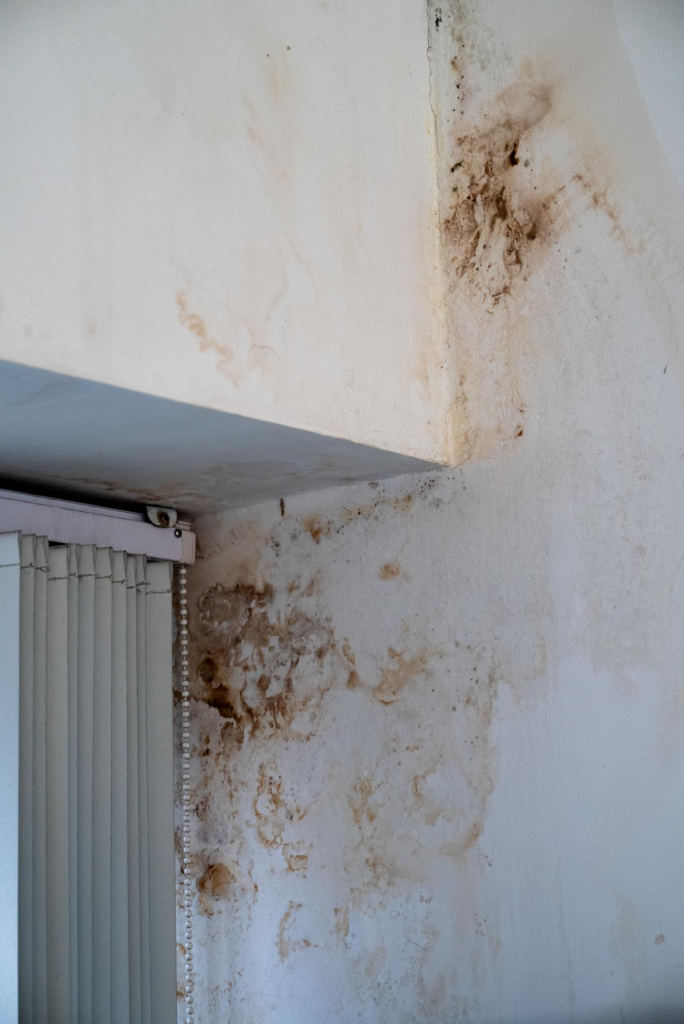
Waterfront living in North Merritt Island offers incredible views and direct access to waterways like Sykes Creek and the Indian River Lagoon. Many homeowners choose these properties for the lifestyle and natural surroundings. However, living close to the water also brings constant exposure to humidity and moisture — two major contributors to mold problems.
In waterfront communities, mold issues are more common than many property owners realize. Even homes that appear clean and well maintained can develop hidden mold problems due to the coastal environment.
Unlike mold that appears after major flooding, waterfront mold often develops slowly and quietly. Homeowners may not notice problems until odors appear or materials begin showing signs of damage.
Understanding how waterfront conditions affect homes helps Merritt Island property owners prevent serious mold issues and protect their investment.
Let’s look at what waterfront homeowners in North Merritt Island should know.
Why Waterfront Homes Face Higher Mold Risk
Living close to water means homes are constantly exposed to moisture in the air. Even on sunny days, humidity levels remain elevated.
Waterfront homes near Sykes Creek and surrounding areas face several mold risk factors:
- Continuous coastal humidity exposure
- Salt air affecting building materials
- Storm and hurricane exposure
- Higher groundwater levels
- Increased condensation inside homes
- Damp soil surrounding foundations
- Frequent wind-driven rain
Because moisture is always present, homes must work harder to stay dry. When ventilation or moisture control falls behind, mold growth begins.
What Mold Problems Look Like in Waterfront Homes
Mold doesn’t always appear as large visible patches. Often, it starts in hidden or overlooked areas.
In North Merritt Island waterfront homes, mold commonly develops in:
- Walls facing the water
- Under flooring near exterior walls
- Around windows and doors
- Inside attics and crawl spaces
- Around AC vents and ducts
- Behind cabinets or furniture on exterior walls
- Near roof leak areas after storms
Because many waterfront homes remain closed up with AC running most of the year, moisture can become trapped inside.
Over time, mold spreads quietly before becoming visible.
Why Mold Happens So Often in North Merritt Island Waterfront Homes
Several local environmental conditions make waterfront homes particularly vulnerable.
Persistent Coastal Humidity
Even when it isn’t raining, moisture remains in the air, preventing homes from fully drying.
Frequent Storm Exposure
Hurricanes and heavy storms bring wind-driven rain and water intrusion.
Elevated Water Tables
Ground moisture stays close to the surface, affecting foundations.
AC Condensation
Air conditioning systems remove humidity but also create condensation, which can accumulate if systems are not maintained.
Salt Air Effects
Salt air slowly degrades materials, allowing moisture to enter homes more easily over time.
Waterfront Wind Patterns
Wind pushes moisture toward homes, increasing exposure.
These conditions repeat year after year, increasing mold risks if homes are not carefully maintained.
Common Warning Signs Homeowners Notice
Waterfront mold problems often start with small warning signs.
Homeowners frequently notice:
- Musty smells indoors
- Peeling paint or discoloration on walls
- Persistent indoor humidity
- Warping floors near exterior walls
- Mold spots near vents or windows
- Damp closets or storage areas
- Mold returning after cleaning
Odors are often strongest near walls facing the water.
Because many signs appear gradually, problems are often ignored until damage becomes more extensive.
Hidden Mold Sources in Waterfront Homes
Mold often grows in places homeowners rarely inspect.
Behind Exterior Walls
Moisture enters through cracks or condensation.
Under Flooring
Moisture accumulates beneath floors near exterior walls.
Attics
Warm moist air rises and condenses on attic surfaces.
Crawl Spaces
Moist soil and humidity remain trapped below homes.
HVAC Systems
Air handlers and ducts collect moisture and spread spores.
Around Windows and Doors
Water intrusion occurs through worn seals.
Hidden mold growth often continues for months before discovery.
Why DIY Mold Cleanup Often Doesn’t Work
Waterfront homeowners sometimes try cleaning mold themselves, but surface cleaning rarely fixes underlying problems.
Common DIY mistakes include:
Cleaning Visible Mold Only
Hidden contamination continues spreading.
Using Bleach Alone
Bleach removes stains but doesn’t eliminate mold inside materials.
Painting Over Mold
Paint traps moisture behind surfaces.
Ignoring Moisture Sources
Without fixing leaks or ventilation, mold returns.
Disturbing Mold During Cleaning
Spores spread into other areas of the home.
Temporary cleaning often leads to recurring mold problems.
Professional Mold Inspection Explained
A professional inspection helps determine how far contamination has spread and where moisture originates.
Inspection steps usually include:
Visual Examination
Inspecting walls, floors, ceilings, and HVAC areas.
Moisture Detection
Tools identify damp materials inside walls or floors.
Leak Investigation
Checking roofing, windows, plumbing, and exterior areas.
Ventilation Evaluation
Assessing airflow and humidity control.
Testing When Necessary
Air or surface sampling confirms contamination levels.
Results help determine proper remediation.
Proper Mold Remediation Process
Professional remediation focuses on removing mold safely and preventing recurrence.
Typical steps include:
Containment Setup
Preventing mold spores from spreading during removal.
Removal of Damaged Materials
Contaminated drywall or insulation may be removed.
Cleaning Structural Surfaces
Framing and remaining materials are treated safely.
Drying and Dehumidification
Moisture is removed completely.
Moisture Source Correction
Leaks or ventilation issues are fixed.
Prevention Guidance
Homeowners receive steps to avoid repeat problems.
The goal is solving both contamination and moisture issues.
Preventing Mold in Waterfront Homes
Waterfront property owners can reduce risks through proactive maintenance.
Helpful steps include:
- Inspecting homes after storms
- Maintaining roofs and window seals
- Monitoring indoor humidity
- Running exhaust fans regularly
- Scheduling AC maintenance
- Keeping crawl spaces dry
- Checking exterior drainage
- Inspecting attic ventilation
Regular maintenance greatly reduces mold risks.
Why Local Experience Matters
Waterfront mold problems vary based on local construction and climate.
Professionals familiar with North Merritt Island understand:
- Coastal humidity behavior
- Local building methods
- Storm-related moisture patterns
- Waterfront exposure challenges
- Common leak locations
Local knowledge allows faster diagnosis and more effective solutions.
Companies like Mold Removal Merritt Island regularly work in waterfront neighborhoods and understand recurring moisture challenges affecting island homes.
Local experience helps homeowners avoid repeat problems.
A Practical Next Step for Property Owners
Waterfront living brings incredible benefits, but moisture management becomes more important than ever.
If your home has persistent odors, recurring mold, or signs of moisture intrusion, a professional inspection can help identify hidden issues early.
For Merritt Island property owners, early action prevents structural damage and costly restoration work.
Protecting your home today helps ensure waterfront living remains comfortable and worry-free for years to come.