
Mold Inspection in Melbourne: What Homeowners in Brevard County Should Know
For homeowners in Melbourne, mold inspections are less about panic and more about clarity. In a warm, humid environment like Brevard County, moisture issues are common—even in well-maintained homes. A proper mold inspection helps answer practical questions: Is there mold? Where is the moisture coming from? And what actually needs to be done next?
Many Melbourne residents schedule inspections after noticing musty odors, recurring surface mold, or changes following a storm or plumbing issue. Others want peace of mind before buying or selling a home. Whatever the reason, understanding what a mold inspection involves—and what it doesn’t—helps homeowners make informed decisions.
What a Mold Inspection Is (and Isn’t)
A mold inspection is an evaluation of conditions, not a sales pitch and not a quick look for visible spots. The goal is to identify moisture sources, assess areas at risk, and determine whether mold is present or likely to develop.
It is not automatic remediation. It’s not a guarantee that testing is required. And it’s not based on scare tactics. In Melbourne homes, the most valuable inspections are the ones that explain moisture behavior in plain language and outline sensible next steps.
Why Mold Inspections Are Common in Melbourne
Brevard County experiences high humidity most of the year, and Melbourne adds frequent rain, storms, and long cooling seasons. Homes here rely heavily on air conditioning, which creates temperature differences that encourage condensation.
Common local factors that drive inspections include:
- Wind-driven rain during storms
- AC condensation and drainage issues
- Slab foundations that trap moisture under flooring
- Attic heat and humidity
- Older plumbing or aging roof components
None of these mean a home is poorly cared for. They simply reflect Florida living—and why inspections are a smart preventive step.
Situations That Prompt a Mold Inspection
Homeowners in Melbourne typically request inspections in a few common scenarios.
Persistent musty or earthy odors are a top reason, especially when smells return after cleaning or intensify when the AC runs. Visible staining on ceilings, walls, or around vents is another.
Inspections are also common after water events—roof leaks, plumbing failures, or storm intrusion—even if the damage seemed minor at the time. Real estate transactions are another driver; buyers and sellers want objective information, not assumptions.
Where Inspectors Look First
A thorough mold inspection focuses on moisture-prone areas.
Bathrooms and laundry rooms are checked for ventilation issues, plumbing leaks, and condensation patterns. Ceilings above showers and areas around exhaust fans often reveal early clues.
HVAC systems receive close attention. Air handlers, drain pans, condensate lines, and nearby materials are evaluated because AC-related moisture is one of the most frequent mold contributors in Melbourne homes.
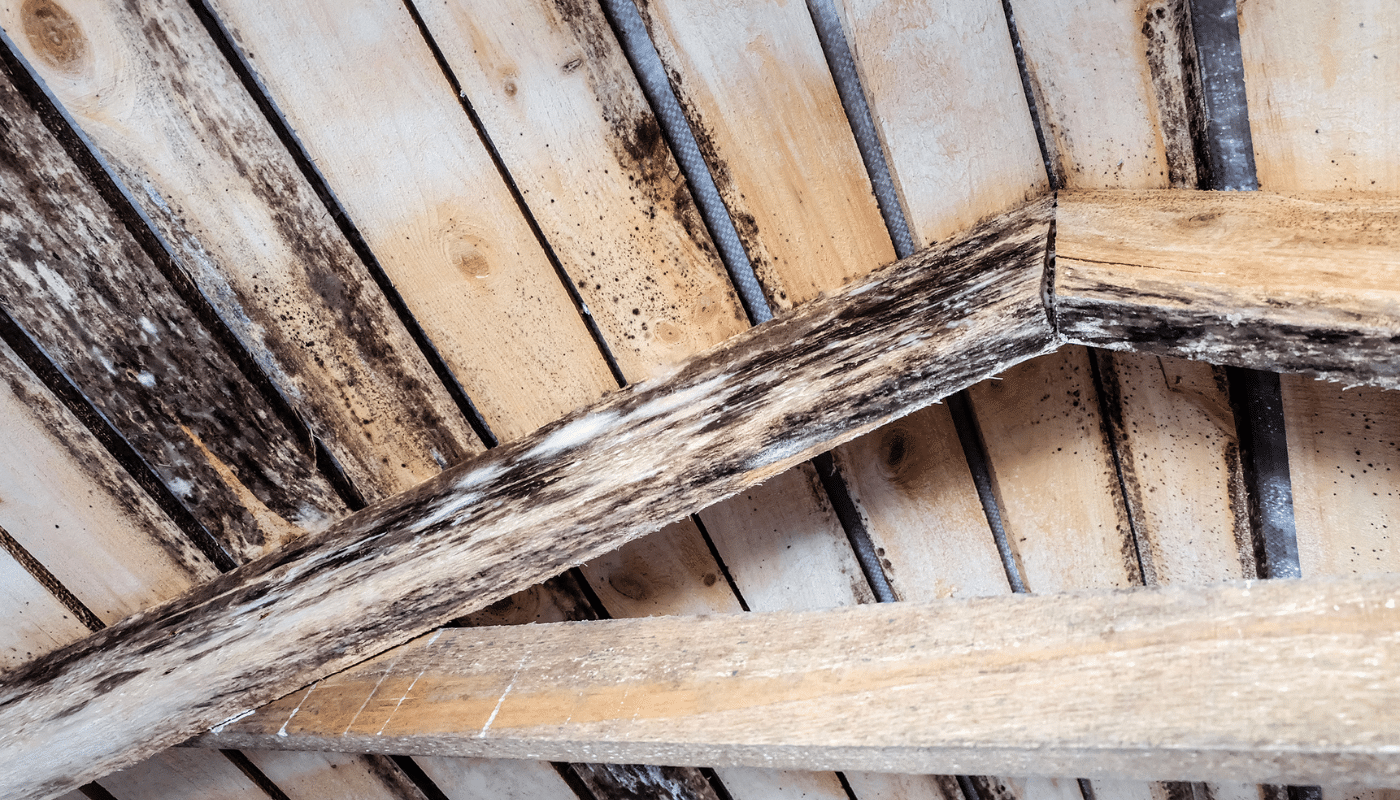
Attics are a priority. Inspectors look for roof intrusion, condensation on roof decking, wet insulation, and improperly vented bathroom fans.
Walls, floors, and cabinets near plumbing fixtures are assessed, especially in slab-on-grade homes where under-floor moisture can remain hidden.
How Moisture Is Detected
Moisture detection is the backbone of a good inspection.
Moisture meters are used to check drywall, wood, and other materials for elevated moisture levels. Thermal imaging may be used to identify temperature differences that suggest condensation or hidden leaks behind surfaces.
These tools help inspectors see beyond what’s visible and focus on the conditions that actually allow mold to grow.
When Mold Testing Makes Sense
Mold testing is a tool—not a default.
Air or surface samples may be useful when mold is suspected but not visible, when odors are present without a clear source, or when documentation is needed for real estate or insurance discussions.
Samples are sent to an independent laboratory for analysis. Results help document mold presence and compare indoor conditions to typical background levels.
Testing should support inspection findings, not replace them. In many Melbourne homes, understanding moisture patterns provides more actionable information than lab numbers alone.
Common Misunderstandings About Inspections
One misconception is that finding mold automatically means major remediation. In reality, many inspections uncover minor, localized issues tied to ventilation or humidity that are straightforward to correct.
Another is that visible mold tells the whole story. In Florida, some of the most significant problems are hidden—behind walls, above ceilings, or inside HVAC systems.
Finally, some homeowners assume inspections are only needed when something looks wrong. In a humid climate, inspections are often most useful before problems become visible.
Why DIY Checks Often Miss the Problem
Homeowners can spot obvious issues, but hidden moisture is easy to miss without tools.
Cleaning visible mold doesn’t reveal what’s happening inside materials. Household cleaners don’t address moisture sources, and bleach doesn’t penetrate porous surfaces.
DIY efforts can improve appearance temporarily while allowing hidden moisture—and mold—to continue. Inspections fill that gap by identifying the “why,” not just the “where.”
What Happens After the Inspection
A good inspection provides clear, calm guidance.
Sometimes the outcome is reassurance—no significant mold conditions are found, or moisture issues are minor and easily addressed. Other times, the inspection may recommend targeted repairs, improved ventilation, or professional remediation if growth is confirmed.
The focus is always on correcting moisture first. Without moisture control, any cleanup is unlikely to last.
Local professionals such as Brevard Mold Inspections & Removal emphasize explaining findings clearly so homeowners understand options without pressure.
Preventing Mold After an Inspection
Inspections often highlight simple prevention steps.
Maintaining HVAC systems helps control humidity and prevent condensation. Drain lines should remain clear, filters replaced regularly, and duct insulation intact.
Bathroom exhaust fans should vent outdoors and be used during and after showers long enough to remove moisture.
After storms, checking attics, ceilings, and areas near windows or doors helps catch intrusion early. Monitoring indoor humidity provides early warning before mold becomes visible.
Why Local Experience Matters in Melbourne
Mold inspections are not one-size-fits-all.
Melbourne homes face Florida-specific challenges: high humidity, slab foundations, frequent storms, and AC systems that run most of the year. Local experience helps inspectors recognize common moisture pathways and avoid misdiagnosis.
What’s normal here may be unusual elsewhere—and that context matters.
When to Schedule a Mold Inspection
Consider an inspection if:
- Musty odors persist
- Mold keeps returning after cleaning
- The home has experienced leaks or storm damage
- You’re buying or selling a property
- Indoor humidity feels consistently high
Early evaluation usually leads to simpler, less disruptive solutions.
A Practical Takeaway for Melbourne Homeowners
A mold inspection in Melbourne is about information, not alarm. In a humid environment, moisture issues are common—but manageable when identified early.
By understanding how inspections work and what they reveal, homeowners can make confident decisions, protect their homes, and avoid unnecessary repairs. With accurate assessment and local expertise, a mold inspection becomes a practical tool for maintaining a healthy, comfortable home in Brevard County.