
Mold Inspection in Melbourne: What Homeowners in Brevard County Should Know
If you own a home in Melbourne, mold concerns are not unusual. Florida’s climate makes moisture management a year-round responsibility. Between high humidity, heavy rainfall, hurricane season, slab foundations, and constant air conditioning, homes in Brevard County face ongoing environmental pressure.
When you notice a musty smell, ceiling discoloration, warped baseboards, or dark spotting near vents, the next step often isn’t guesswork — it’s a professional mold inspection.
Understanding what that inspection involves — and when it’s necessary — helps homeowners make calm, informed decisions.
Why Mold Inspections Are Common in Melbourne
Melbourne’s environment naturally supports mold growth when moisture isn’t controlled.
Key local factors include:
- Persistent humidity above 60% outdoors
- Frequent summer storms and wind-driven rain
- High groundwater levels in some neighborhoods
- Slab construction common throughout the area
- Long cooling seasons with heavy HVAC use
Even newer homes can develop mold if small leaks go unnoticed or ventilation systems aren’t functioning properly.
Homes in nearby Palm Bay, Rockledge, and West Melbourne experience the same conditions.
Because mold needs moisture to grow, inspections focus primarily on identifying water sources — not just spotting discoloration.
When Should You Schedule a Mold Inspection?
A mold inspection in Melbourne is typically recommended when:
- You smell persistent musty odors
- You see visible mold growth
- Your home recently experienced water damage
- Indoor humidity feels consistently high
- Mold keeps returning after cleaning
- You are buying or selling a property
- You suspect hidden mold behind walls or under flooring
For real estate transactions, inspections provide documentation and peace of mind.
After hurricane season, many homeowners schedule attic inspections to ensure no hidden moisture remains.
What a Professional Mold Inspection Actually Includes
A proper mold inspection involves much more than a quick visual check. At Brevard Mold Inspections & Removal, inspections are structured and systematic.
1. Detailed Visual Examination
Common moisture-prone areas are carefully reviewed:
- Bathrooms
- Attics
- AC closets
- Around windows and doors
- Baseboards and lower drywall
- Kitchen plumbing areas
Inspectors look for staining, water marks, ventilation problems, and signs of past repairs.
2. Moisture Detection
Because mold follows water, moisture detection is one of the most important steps.
Specialized meters measure moisture levels inside:
- Drywall
- Wood framing
- Ceiling materials
- Subflooring
Thermal imaging may help identify hidden temperature differences that indicate moisture behind walls.
In slab homes common throughout Melbourne, checking for moisture migration along baseboards is especially important.
3. Humidity Assessment
Indoor humidity levels are measured during the inspection.
In Brevard County homes, ideal indoor humidity should remain between 45% and 55%. Levels consistently above 60% increase mold risk significantly.
Humidity control is often the key to preventing recurring issues.
4. Ventilation Evaluation
Attic airflow and exhaust systems are reviewed.
Common problems include:
- Blocked soffit vents
- Inadequate ridge ventilation
- Bathroom fans venting into attic space
- Poor HVAC air circulation
Homes in Merritt Island and Satellite Beach frequently show attic ventilation issues that contribute to mold growth.
5. Air or Surface Sampling (When Appropriate)
Sampling is not always necessary. However, it may be recommended when:
- Mold is suspected but not visible
- Indoor air quality concerns exist
- Species identification is needed
- Documentation is required for insurance or real estate
Air samples compare indoor spore levels to outdoor levels. Surface samples identify specific mold types.
Laboratory analysis provides objective data.
Common Mold Findings in Melbourne Homes
Based on inspections across Brevard County, typical mold locations include:
Attics
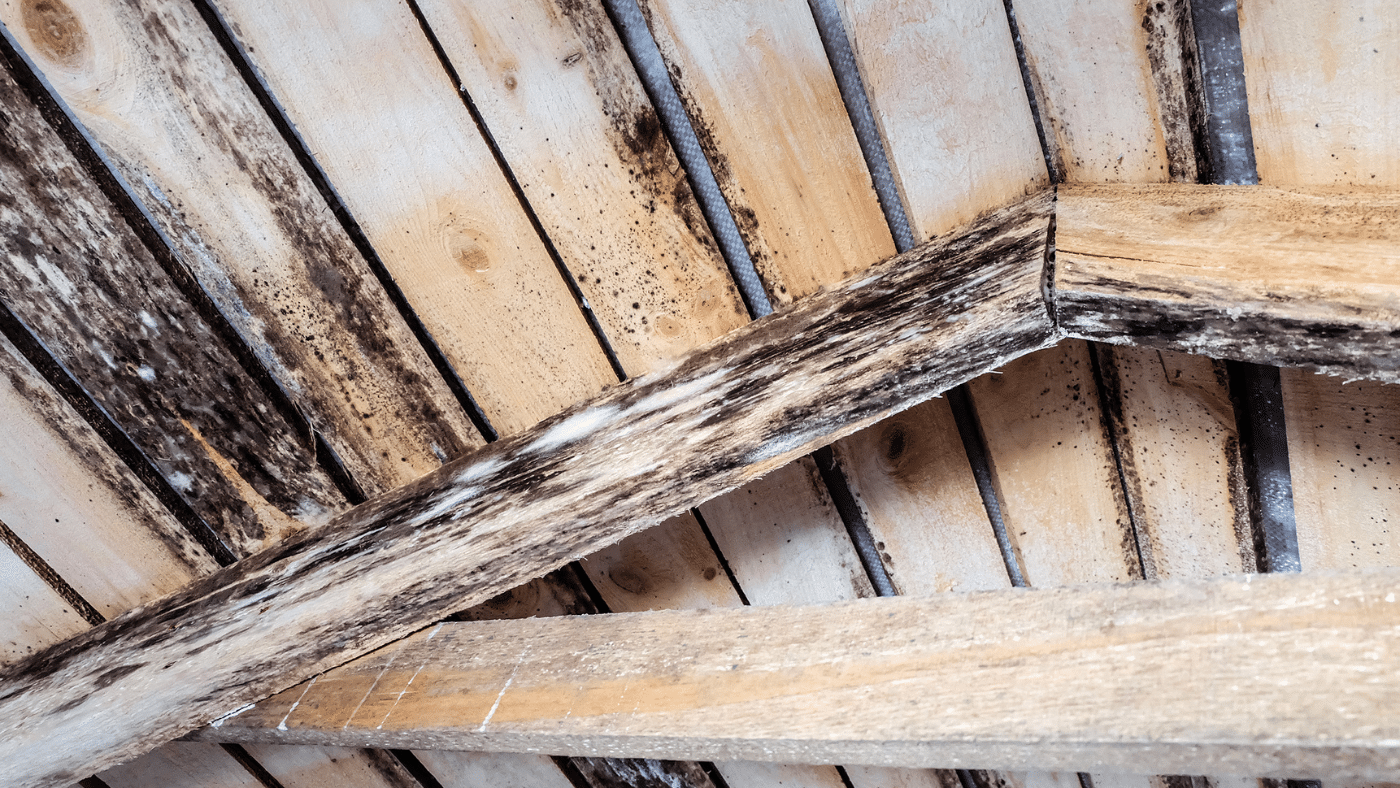
Roof decking mold due to humidity buildup or minor leaks.
HVAC Systems
Clogged AC drain lines causing moisture in air handler closets.
Bathrooms
Ceiling mold from steam and inadequate ventilation.
Window Frames
Seal failures allowing moisture intrusion during storms.
Slab-Level Baseboards
Ground moisture migrating upward into drywall.
Each scenario requires identifying the moisture source before determining whether remediation is necessary.
Why DIY Inspection Isn’t Enough
Homeowners often look for visible mold but may miss hidden moisture.
Without professional tools:
- Wall cavities may appear dry but remain damp inside.
- Attic condensation may go unnoticed.
- AC drain issues may be overlooked.
- Humidity levels may not be accurately measured.
Early detection prevents structural damage and costly repairs.
Professional inspections provide clarity rather than assumptions.
What Happens After the Inspection?
After a mold inspection, you receive clear findings outlining:
- Whether mold is present
- Where moisture is originating
- The extent of affected areas
- Whether remediation is needed
- Preventive recommendations
Sometimes the solution is as simple as improving ventilation or lowering indoor humidity.
Other times, targeted remediation may be recommended.
The goal is always practical resolution — not unnecessary alarm.
Preventing Mold in Melbourne Homes
Prevention focuses on moisture control.
Homeowners can reduce risk by:
- Monitoring indoor humidity levels
- Servicing HVAC systems annually
- Flushing AC condensation drain lines regularly
- Inspecting roofs after heavy storms
- Ensuring bathroom exhaust fans vent outdoors
- Checking attic ventilation yearly
- Addressing plumbing leaks immediately
Homes in Titusville and Viera benefit from the same proactive approach.
Florida’s climate demands consistent attention to moisture.
Why Local Experience Matters
Mold inspection in Florida differs from inspection in dry climates.
Melbourne homes face:
- Coastal humidity
- Elevated groundwater
- Long cooling seasons
- Frequent rain cycles
An inspector unfamiliar with Brevard County may overlook local construction patterns and environmental stressors.
Brevard Mold Inspections & Removal understands how Melbourne’s climate influences moisture movement inside homes.
Local experience leads to accurate diagnosis and practical solutions.
A Calm and Practical Next Step
If you’re concerned about mold in your Melbourne home, the best step is a structured evaluation.
Ask yourself:
- Have there been recent leaks or storms?
- Is humidity consistently high?
- Are musty odors lingering?
- Is visible mold spreading?
A professional inspection provides clarity and direction.
With Florida’s demanding climate, moisture management is part of responsible homeownership. When addressed early, most mold concerns are manageable and preventable.
Your Melbourne home can remain dry, stable, and protected with proper inspection and ongoing moisture control.