
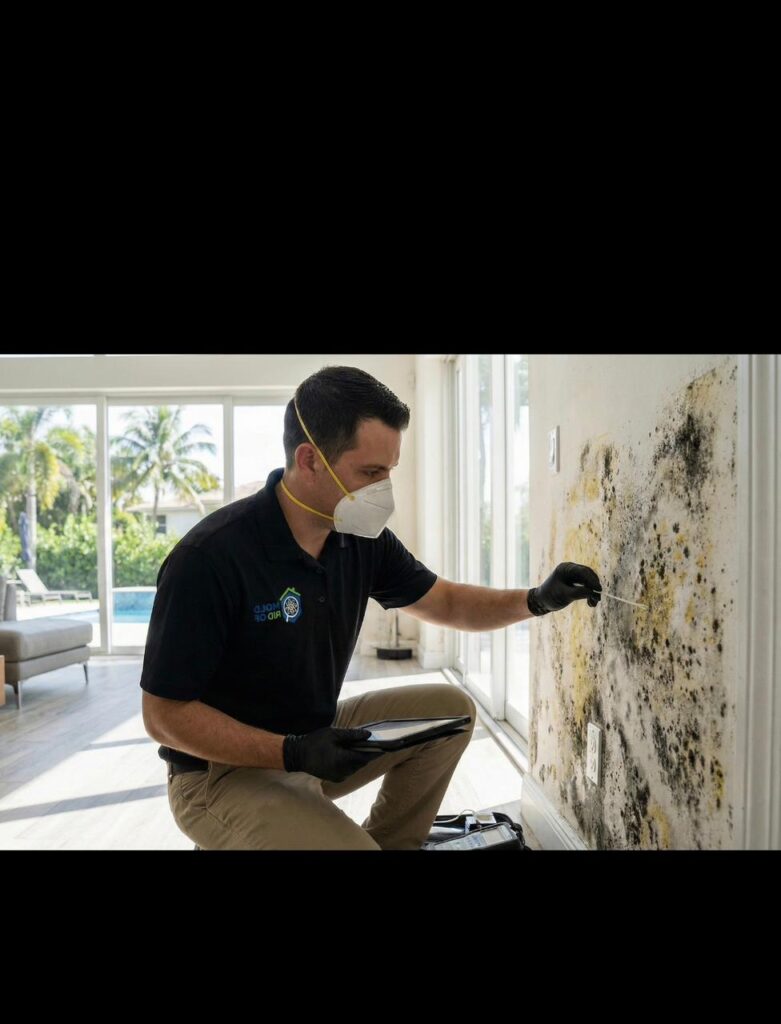
Mold Inspection in Melbourne: What Homeowners in Brevard County Should KnowMold problems in Melbourne and across Brevard County don’t always show up as obvious stains on walls or ceilings. In many homes, mold develops quietly—behind drywall, inside HVAC systems, above ceilings, or beneath floors—long before it’s visible. That’s why a professional mold inspection is often the most important first step when something feels off in your home.Whether you’ve noticed musty odors, experienced health symptoms, or had past water damage, understanding how mold inspections work and when they’re necessary can help Melbourne homeowners avoid costly surprises later.⸻Why Mold Inspections Matter in Melbourne HomesMelbourne’s environment creates steady mold pressure: • High humidity most of the year • Frequent rain and tropical storms • Constant air conditioning use • Condensation inside walls and HVAC systems • Older homes mixed with newer, tightly sealed constructionBecause mold is driven by moisture, not cleanliness, even well-maintained homes can develop hidden mold problems over time.⸻When Should You Get a Mold Inspection?Many homeowners wait until mold is obvious. Inspections are most useful before that point.Common Reasons to Schedule an Inspection • Persistent musty or earthy odors • Past or recent water damage • Roof, plumbing, or AC leaks • High indoor humidity that won’t drop • Mold that keeps returning after cleaning • Unexplained allergy or respiratory symptoms • Buying or selling a home • After major storms or floodingIf something doesn’t seem right, an inspection provides clarity.⸻What a Mold Inspection Looks ForA proper mold inspection focuses on cause, extent, and risk, not just visible growth.Inspectors evaluate: • Moisture sources and humidity levels • Visible and hidden mold growth • Areas prone to moisture buildup • HVAC systems and ductwork • Attics and crawl spaces • Ventilation and airflow issuesFinding why mold could grow is just as important as finding mold itself.⸻Common Mold-Prone Areas in Melbourne HomesHVAC SystemsHVAC systems are a frequent mold source due to condensation.Inspections check: • Air handlers and coils • Drain pans and drain lines • Duct interiors • Nearby building materialsMold in HVAC systems can affect air quality throughout the entire home.⸻AtticsAttics are one of the most common hidden mold locations.Inspectors look for: • Roof leaks or staining • Bathroom fans venting into the attic • Poor ventilation • Mold on roof decking and trusses • Damp insulation⸻Crawl SpacesCrawl spaces often stay damp and are easily overlooked.Inspections evaluate: • Ground moisture and drainage • Vapor barrier condition • Mold on joists and subflooring • Insulation condition • Air movement into the homeMold below the home can directly impact indoor air quality.⸻Bathrooms, Kitchens, and Laundry AreasThese rooms are checked for: • Hidden plumbing leaks • Poor ventilation • Moisture behind walls • Recurring surface moldSmall leaks in these areas often cause large hidden problems.⸻Tools Used During a Mold InspectionProfessional inspections rely on more than visual checks.Common tools include: • Moisture meters to detect damp materials • Thermal imaging to locate hidden moisture • Humidity meters to measure indoor moisture levels • Visual access tools for hard-to-reach areasThese tools help identify moisture issues before mold becomes visible.⸻Mold Inspection vs Mold TestingThese terms are often confused.Mold Inspection • Identifies moisture issues and visible mold • Evaluates conditions that allow mold growth • Determines whether testing is needed • Recommends next stepsMold Testing • Measures mold spores in air or on surfaces • Identifies mold types • Helps document indoor air quality • Useful for health concerns, disputes, or insuranceTesting is not always required, but inspections guide whether it’s useful.⸻When Mold Testing Is HelpfulTesting may be recommended when: • Mold is suspected but not visible • Health symptoms are present • Mold keeps returning • Documentation is needed for insurance • You’re buying or selling a home • Multiple areas may be affectedTesting works best when paired with a full inspection.⸻What a Mold Inspection Does Not DoA mold inspection: • ❌ Does not fix mold • ❌ Does not automatically require remediation • ❌ Does not involve tearing out walls • ❌ Does not guarantee insurance coverageIt’s an information-gathering step to help homeowners make informed decisions.⸻Why DIY Mold Checks Often Miss ProblemsHomeowners typically rely on sight and smell alone.DIY checks often miss: • Moisture inside walls • Mold on the back of drywall • HVAC contamination • Attic and crawl space growth • Early-stage mold without visible signsBy the time mold is obvious, remediation is often more extensive.⸻Mold Inspections and Real Estate in MelbourneMold inspections are especially important during home sales.For Buyers • Identify hidden issues before closing • Avoid unexpected remediation costs • Negotiate repairs or creditsFor Sellers • Address issues early • Prevent delays or failed deals • Reduce post-sale disputesHomes in humid coastal regions benefit from proactive inspections.⸻Insurance and Mold InspectionsInsurance decisions depend on cause and timing, not just mold presence.An inspection can: • Document water damage sources • Help establish timelines • Support or challenge coverage decisions • Protect claim optionsEarly inspections improve documentation.⸻What Happens After the InspectionAfter an inspection, homeowners typically receive: • A summary of findings • Identified moisture sources • Areas of concern • Recommendations for monitoring, testing, or remediationSometimes no active mold is found—other times early detection prevents major damage later.⸻Preventing Mold After an InspectionInspections often reveal simple prevention steps.Common recommendations include: • Fixing leaks promptly • Improving ventilation • Controlling indoor humidity below 50% • Maintaining HVAC systems • Monitoring high-risk areasPrevention is always less expensive than remediation.⸻When to Schedule Follow-Up InspectionsFollow-ups may be recommended: • After repairs or remediation • After major storms • If humidity problems persist • If health symptoms continueMold conditions can change with seasons and weather.⸻Final Thoughts for Melbourne HomeownersA mold inspection in Melbourne isn’t about panic—it’s about clarity. Mold problems in Brevard County often start quietly and grow over time when moisture goes unnoticed.If your home has unexplained odors, recurring moisture issues, or health symptoms that worsen indoors, a professional inspection can provide answers before mold becomes a costly surprise. In Florida homes, early knowledge makes all the difference.