
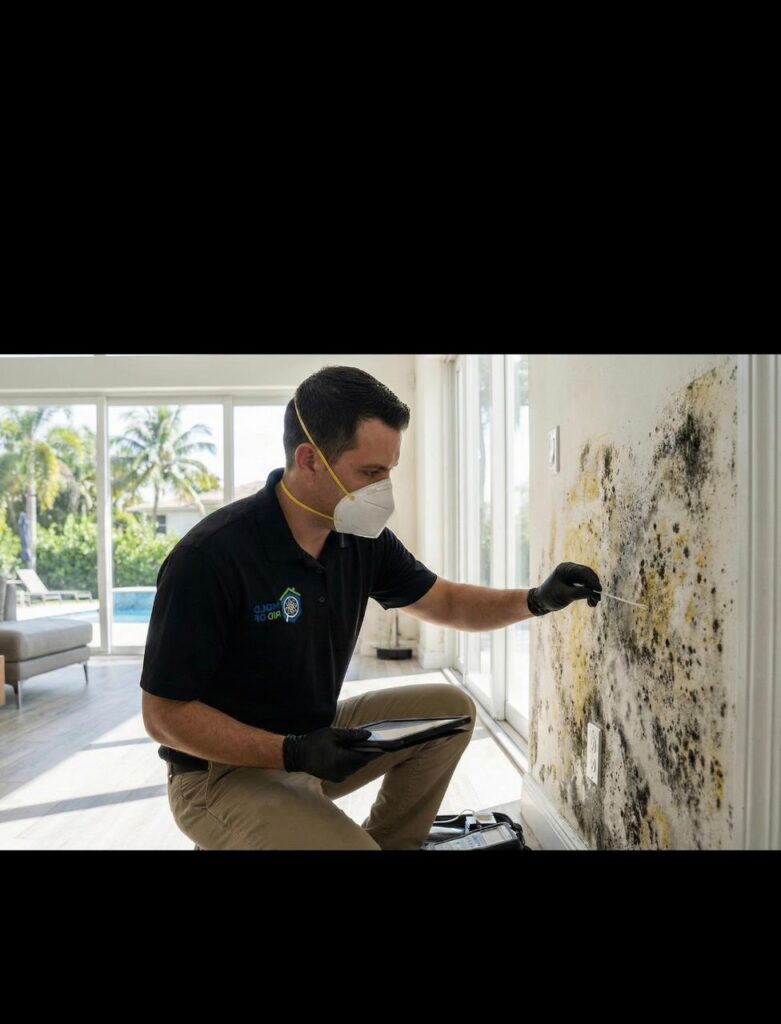
Mold Inspection in Melbourne: What Homeowners in Brevard County Should KnowMold inspections are an important step for homeowners in Melbourne and throughout Brevard County, where humidity, heavy rain, and year-round air conditioning create ideal conditions for mold growth. Mold often develops quietly behind walls, under flooring, or inside HVAC systems long before it becomes visible. A proper mold inspection helps identify problems early and provides clarity before mold causes serious damage or health concerns.This guide explains when mold inspections are needed, what they include, and why they matter for Melbourne homeowners.⸻Why Mold Inspections Are Important in MelbourneMelbourne’s climate places constant moisture pressure on homes.Common contributing factors include: • High year-round humidity • Heavy rainfall and tropical weather • Roof and window leaks • Plumbing leaks behind walls • AC condensation and drain line issues • Slab foundations that trap moisture • Limited airflow in certain areas of the homeMold can begin growing within 24–48 hours after moisture exposure, often without obvious warning signs.⸻When Homeowners Should Schedule a Mold InspectionA mold inspection is recommended when: • Musty or earthy odors are present • Mold is visible anywhere in the home • Health symptoms worsen indoors • Water damage or flooding occurred • Buying or selling a home • After hurricanes or major storms • Mold keeps returning after cleaning • Indoor humidity remains high • HVAC systems show signs of moisture or moldEarly inspections often prevent more extensive remediation later.⸻What a Professional Mold Inspection IncludesA proper mold inspection goes far beyond a quick visual check.Visual AssessmentInspectors examine: • Walls and ceilings • Bathrooms and kitchens • Under sinks and cabinets • Around windows and doors • HVAC systems and ductwork • Attics and crawl spaces • Closets and storage areasMoisture DetectionSpecialized tools are used to locate hidden moisture, including: • Moisture meters • Thermal imaging cameras • HygrometersBecause mold follows moisture, moisture detection is a critical part of any inspection.Odor EvaluationPersistent musty odors are evaluated to help locate hidden mold sources.HVAC EvaluationAir handlers, drain pans, coils, and ductwork are inspected for condensation, leaks, and mold growth.⸻Mold Testing During InspectionsTesting is not always necessary but may be included when appropriate.Common testing methods include: • Air sampling • Surface swab or tape samplesTesting may be useful when: • Mold is suspected but not visible • Documentation is needed for insurance or real estate • Health complaints are involved • Hidden mold inside walls or HVAC systems is suspectedVisible mold generally does not require testing to justify remediation.⸻What Mold Inspections Do Not DoA mold inspection: • Does not remove mold • Does not repair leaks • Does not guarantee a mold-free home forever • Does not replace remediation when mold is presentThe inspection provides the information needed to make informed decisions.⸻Common Mold Findings in Melbourne HomesInspections frequently identify mold in: • Bathrooms and shower areas • Under sinks and inside cabinets • Behind drywall near plumbing • Attics with roof or ventilation issues • Crawl spaces • HVAC systems and ductwork • Closets along exterior walls • Under flooring after water damageHidden mold is more common than visible mold in Brevard County homes.⸻Health and Indoor Air Quality ConcernsMold inspections help protect indoor air quality.Potential health effects linked to mold exposure include: • Respiratory irritation • Nasal congestion or sinus problems • Headaches • Eye or throat irritation • Worsening asthma or allergiesChildren, seniors, and people with respiratory conditions are more sensitive to mold exposure.⸻Mold Inspections for Buyers and SellersFor Buyers • Identify hidden mold before purchase • Avoid unexpected remediation costs • Gain leverage during negotiationsFor Sellers • Address issues before listing • Reduce transaction delays • Provide documentation to buyersMold inspections are commonly requested during real estate transactions in Melbourne.⸻Insurance and Mold InspectionsMold inspections can support insurance claims by: • Documenting mold presence • Identifying moisture sources • Establishing timelines • Providing professional written reportsInsurance coverage depends on the cause of moisture, not just the presence of mold.⸻Why DIY Mold Inspections Fall ShortDIY inspections are limited because they: • Miss hidden moisture • Cannot see inside walls or ducts • Lack professional tools • Provide no documentation for insurance or real estate • Often misidentify stains or condensation as moldProfessional inspections provide objective, reliable findings.⸻Preventing Mold After an InspectionInspections often include prevention recommendations such as: • Fixing moisture sources promptly • Improving ventilation • Maintaining HVAC systems • Keeping indoor humidity between 30–50% • Monitoring high-risk areas • Responding quickly to water intrusionPrevention is the most effective way to avoid future mold problems.⸻Why Early Mold Inspection Saves MoneyEarly inspections can prevent: • Widespread mold growth • Structural damage • HVAC contamination • Health complaints • Costly remediation • Insurance disputesSmall moisture issues are far easier and less expensive to correct early.⸻Final ThoughtsMold inspections are a valuable tool for homeowners in Melbourne and throughout Brevard County. High humidity, storms, and hidden moisture make mold a common but manageable issue when identified early.A thorough mold inspection provides clarity, protects indoor air quality, and helps homeowners take the right steps before mold problems escalate into major repairs.