
Mold Inspection in Melbourne: What Homeowners in Brevard County Should Know


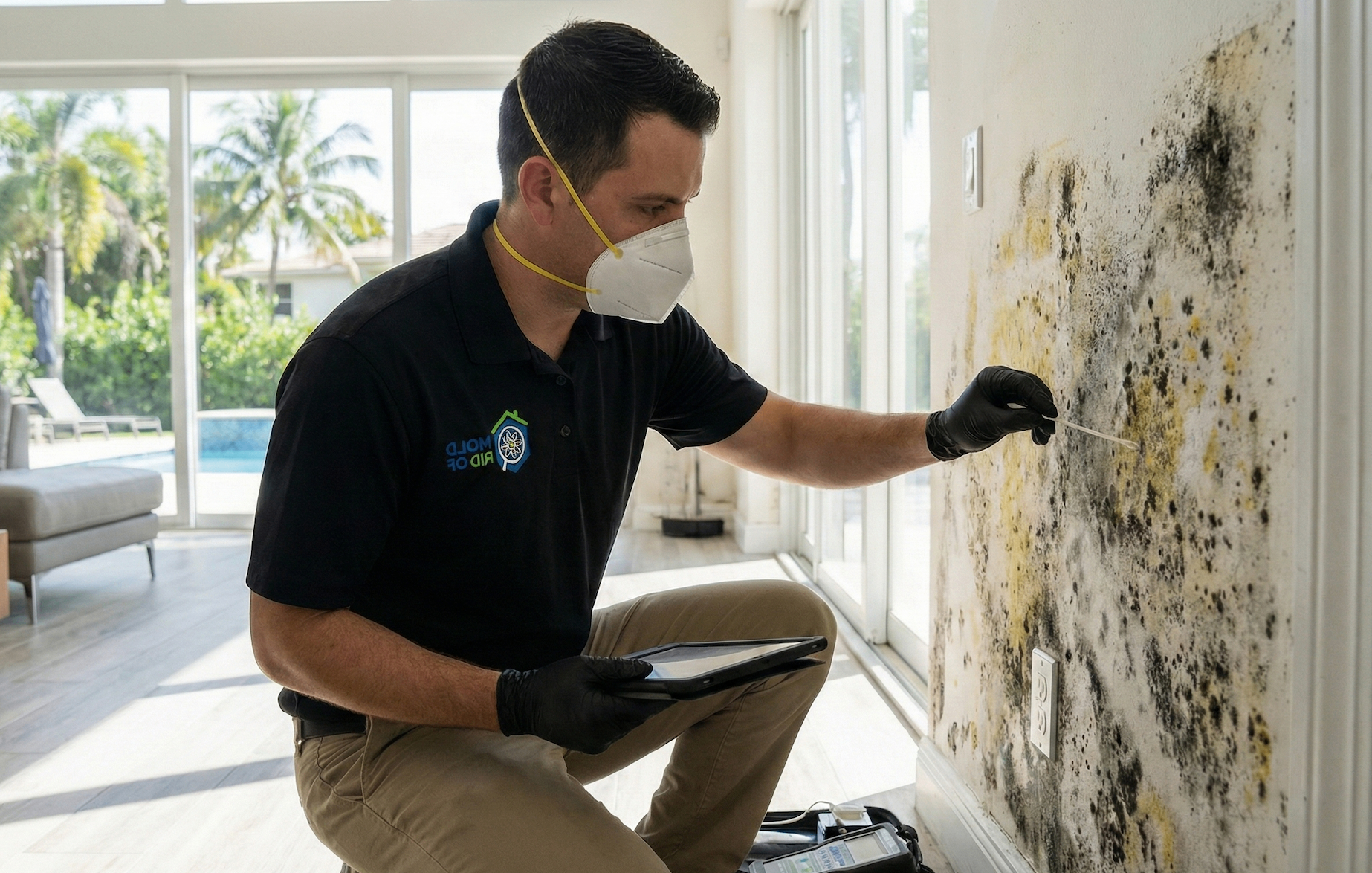
Mold inspection in Melbourne isn’t about hunting for a few visible spots—it’s about figuring out what’s happening behind the walls and in the air. Many Brevard County homeowners are surprised to learn that mold inspections often uncover problems long before mold becomes obvious.
What a Mold Inspection Actually Looks For
A proper mold inspection focuses on moisture, not just mold.
Inspectors typically evaluate:
- Past or active water damage
- Areas with high humidity or poor airflow
- HVAC systems and condensation points
- Hidden spaces like wall cavities and attics
Mold only grows where moisture exists.
Why Visual Checks Aren’t Enough
Seeing mold is usually a late-stage sign.
Inspections in Melbourne often find:
- Mold behind drywall with no surface staining
- Growth under flooring and baseboards
- HVAC contamination spreading spores
Visual checks miss most real problems.
Common Mold Risk Areas in Melbourne Homes
Certain areas consistently show issues during inspections:
- Bathrooms and laundry rooms
- Kitchens and plumbing walls
- Closets along exterior walls
- Air handlers and ductwork
These spaces trap moisture and dry slowly.
How HVAC Systems Factor In
HVAC systems move air—and mold spores—throughout the home.
Inspections often include:
- Air handler interiors
- Evaporator coils
- Drain pans and condensate lines
HVAC mold explains whole-home symptoms.
When Mold Testing Is Recommended
Inspection sometimes leads to mold testing.
Testing helps when:
- Mold is suspected but not visible
- Health symptoms are present
- Documentation is needed for real estate or insurance
Inspection guides whether testing adds value.
Final Thoughts
For homeowners in Melbourne, mold inspection provides clarity before problems grow. Identifying moisture early protects indoor air quality and prevents expensive remediation later.