Mold Inspection in Melbourne: What Homeowners in Brevard County Should Know
Mold inspections are an important step for many homeowners in Melbourne, especially in a climate where heat, humidity, and frequent storms are part of everyday life. Mold doesn’t always announce itself with obvious growth on walls or ceilings. In many Brevard County homes, it develops quietly behind walls, inside attics, or within HVAC systems long before it’s visible.
A mold inspection isn’t about alarm—it’s about understanding what’s happening inside your home, identifying moisture issues early, and preventing small problems from turning into costly repairs.
What a Mold Inspection Really Involves
A mold inspection is a detailed evaluation of a home’s moisture conditions and potential mold growth areas. It goes far beyond a simple visual check.
In Melbourne homes, inspections typically focus on attics, HVAC systems, bathrooms, kitchens, crawl spaces, and areas near exterior walls. The purpose is to identify moisture sources, detect hidden dampness, and determine whether conditions exist that allow mold to grow.
The goal is clarity—not assumptions.
Why Mold Inspections Are Common in Melbourne
Melbourne experiences high humidity for much of the year, along with heavy rain, summer storms, and occasional hurricanes. These conditions slow drying and increase the likelihood of moisture becoming trapped inside building materials.
Local factors that often lead homeowners to schedule inspections include:
- Slab foundations that retain moisture beneath flooring
- Roof leaks after heavy rain or storms
- Plumbing leaks inside walls or under sinks
- AC condensation or drain line issues
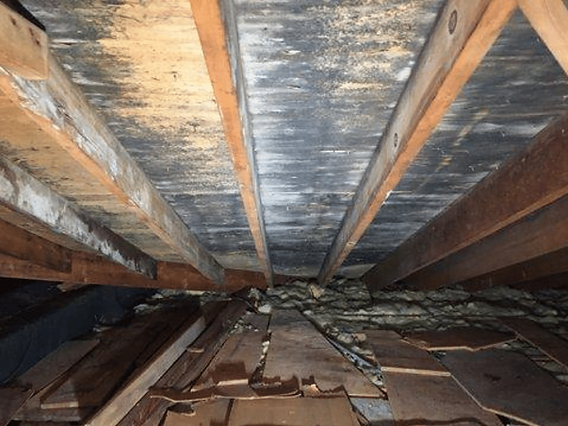
- Attics exposed to heat and humid air
- Past water damage that wasn’t fully dried
Both older and newer homes in Melbourne can benefit from periodic mold inspections.
When Homeowners Should Consider a Mold Inspection
A mold inspection may be helpful even when mold isn’t visible. Common reasons Melbourne homeowners request inspections include:
- Persistent musty odors
- Ongoing humidity problems
- Recent water damage or flooding
- Buying or selling a home
- Mold that keeps returning after cleaning
- Storm or hurricane exposure
- Concerns about HVAC or attic moisture
Inspections are especially valuable after storms, when moisture can hide behind walls or in insulation.
Common Areas Inspectors Pay Attention To
During a mold inspection, certain areas receive extra attention due to their higher moisture risk.
In Melbourne homes, these areas often include:
- Attics with roof leaks or ventilation issues
- HVAC air handlers, drain pans, and ductwork
- Bathrooms and laundry rooms
- Under sinks and behind appliances
- Wall cavities near plumbing lines
- Flooring over slab foundations
These spaces often reveal moisture problems before visible mold appears.
How Moisture Is Detected During an Inspection
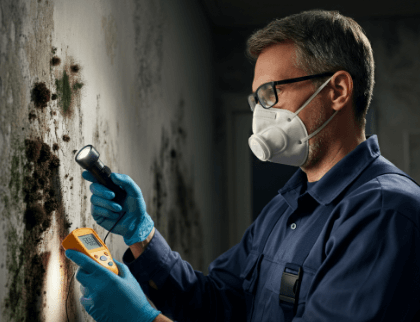
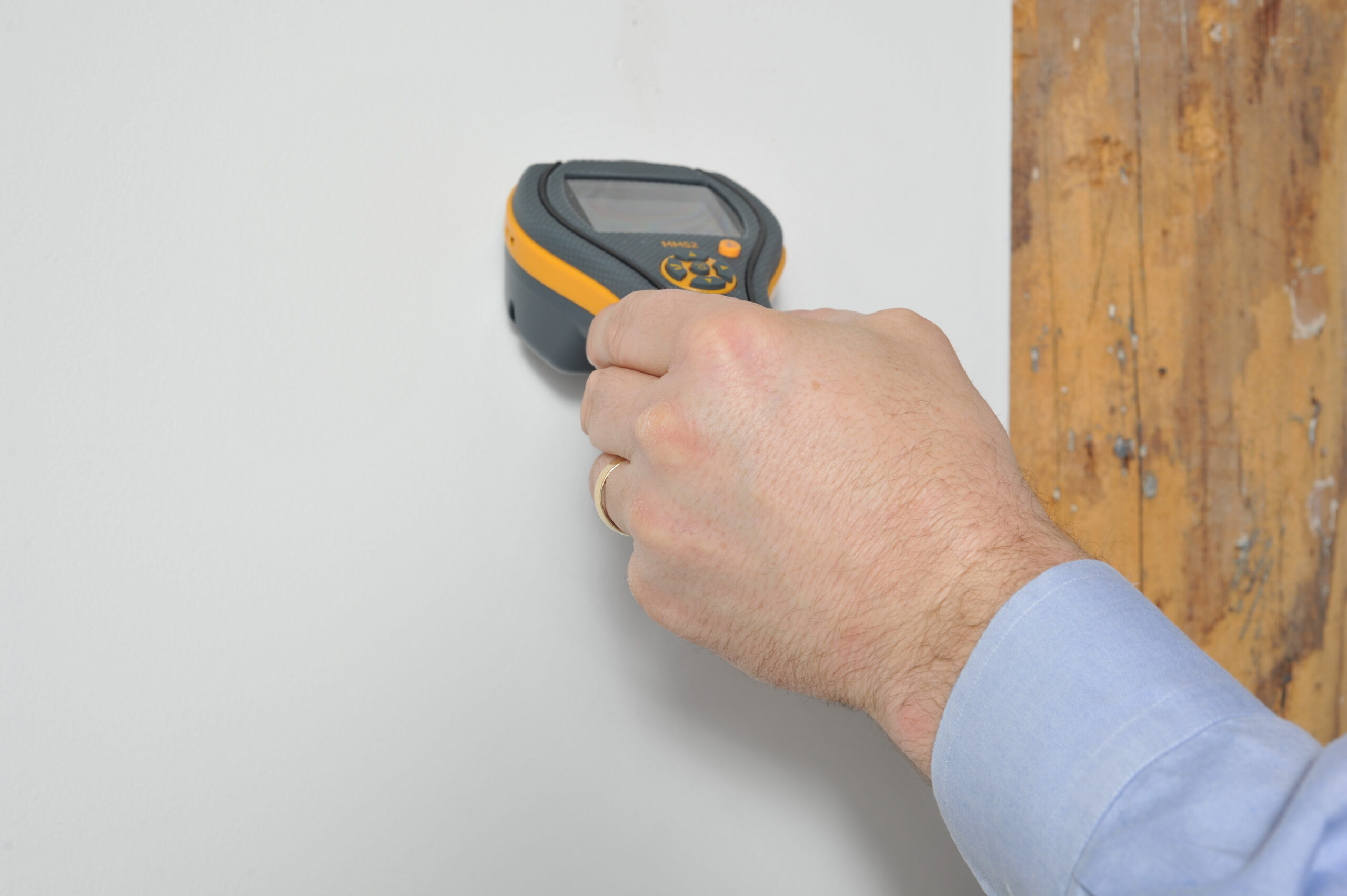
Moisture detection is a key part of any mold inspection. Inspectors use specialized tools to measure moisture levels behind walls, under floors, and in ceilings.
Elevated moisture readings often explain why mold is present—or why it may develop in the future. Finding moisture early allows homeowners to address issues before mold becomes widespread.
In many cases, identifying moisture is more important than finding visible mold.
Does a Mold Inspection Always Include Testing?
Not every inspection requires air or surface sampling. Testing may be recommended when mold isn’t visible but indoor conditions suggest a concern, or when additional information is needed.
Testing is just one tool. Understanding moisture sources, airflow patterns, and building conditions is often more valuable than lab results alone.
A good inspection focuses on practical information homeowners can use.
Why DIY Inspections Often Miss Hidden Issues
Homeowners may try to inspect for mold themselves, but hidden moisture is difficult to detect without proper equipment. Mold behind drywall, under flooring, or inside attic insulation often goes unnoticed.
DIY efforts usually focus on visible areas and can miss the root cause of the problem. This is why mold frequently returns after cleaning—because moisture was never identified or corrected.
Professional inspections are designed to look where homeowners can’t.
The Value of Local Experience in Melbourne
Mold behavior in Florida differs from other regions. High humidity, slab foundations, and constant AC use create moisture patterns that require local knowledge.
Local professionals such as Brevard Mold Inspections & Removal understand Melbourne construction styles, storm patterns, and common moisture issues found throughout Brevard County homes.
That local experience leads to more accurate inspections and realistic recommendations.
What Happens After a Mold Inspection
After the inspection, homeowners receive a clear explanation of findings. This may include areas of concern, moisture sources, and suggested next steps.
Not every inspection leads to mold remediation. Sometimes the solution involves improving ventilation, repairing a minor leak, or adjusting HVAC drainage.
The purpose of an inspection is informed decision-making—not unnecessary work.
Mold Inspections for Buyers and Sellers
In real estate transactions, mold inspections provide transparency. Buyers gain insight into moisture conditions, while sellers can address issues proactively rather than during negotiations.
In Melbourne’s competitive housing market, a professional mold inspection helps keep transactions informed and smooth.
Preventing Mold Through Early Inspections
Preventive inspections are one of the best ways to avoid major mold problems. Catching moisture issues early often prevents mold from developing at all.
Melbourne homeowners benefit from inspections after hurricanes, plumbing repairs, or periods of heavy rain. Early detection saves time, stress, and long-term costs.
A Calm, Practical Step for Homeowners
A mold inspection isn’t a reason to worry—it’s a way to understand your home better. For Melbourne homeowners, it offers clarity, reassurance, and direction in a humid climate where moisture issues are common.
With the right information, most mold-related concerns can be managed effectively. A professional inspection provides the insight needed to protect your home and maintain comfortable indoor conditions year-round.
Images for This Article