Mold Inspection in Melbourne: What Homeowners in Brevard County Should Know
In Melbourne, mold inspections are often requested after homeowners notice something feels “off” in the house—musty odors that won’t go away, humidity that’s hard to control, or mold that keeps coming back no matter how often it’s cleaned. In Brevard County’s warm, humid climate, these concerns are common, and a mold inspection is often the first step toward understanding what’s really happening inside the home.
A mold inspection isn’t about alarm or assumptions. It’s about identifying moisture conditions, locating mold growth (visible or hidden), and understanding why the problem developed in the first place. For Melbourne homeowners, knowing what a mold inspection actually involves—and when it’s useful—can prevent unnecessary repairs, repeat cleanup, and long-term frustration.
Why Mold Inspections Are Common in Melbourne Homes
Melbourne experiences year-round humidity, frequent rain, and long cooling seasons. Homes are often sealed tightly and rely heavily on air conditioning, which can trap moisture when ventilation or drainage isn’t ideal.
Local conditions that frequently lead homeowners to request mold inspections include:
- High indoor humidity despite AC use
- Roof leaks after storms
- Plumbing leaks inside walls
- AC condensation or drain line issues
- Slab foundations holding moisture beneath flooring
- Homes closed up for extended periods
Mold inspections help separate surface symptoms from deeper moisture problems.
What a Mold Inspection Is—and What It Is Not
A professional mold inspection focuses on conditions, not guesswork.
A mold inspection is:
- A detailed evaluation of moisture and mold conditions
- A way to locate visible and hidden mold
- An assessment of why mold is present
A mold inspection is not:
- A scare tactic
- Automatic confirmation that remediation is required
- A surface-only visual check
In many cases, inspections reveal manageable moisture issues before mold becomes widespread.
How Mold Develops in Melbourne Homes
Mold spores are always present in Florida air. Mold only becomes a problem when spores land on surfaces that stay damp long enough to support growth.
In Melbourne homes, moisture commonly comes from:
- Humid outdoor air entering the home
- Bathroom steam without proper ventilation
- AC systems creating condensation
- Roof or window leaks after storms
- Ground moisture migrating through slab foundations
Mold inspections focus on finding where moisture is staying, not just where mold is visible.
Common Areas Checked During a Mold Inspection
A thorough mold inspection looks at areas most likely to trap moisture.
These areas often include:
- Bathrooms and bathroom ceilings
- Under sinks and behind plumbing
- Around windows and exterior walls
- Beneath flooring on slab homes
- HVAC air handlers and vents
- Attics and insulation
- Closets and enclosed storage areas
Hidden mold is often found in these locations even when living areas look clean.
Attics and Mold Inspections in Melbourne
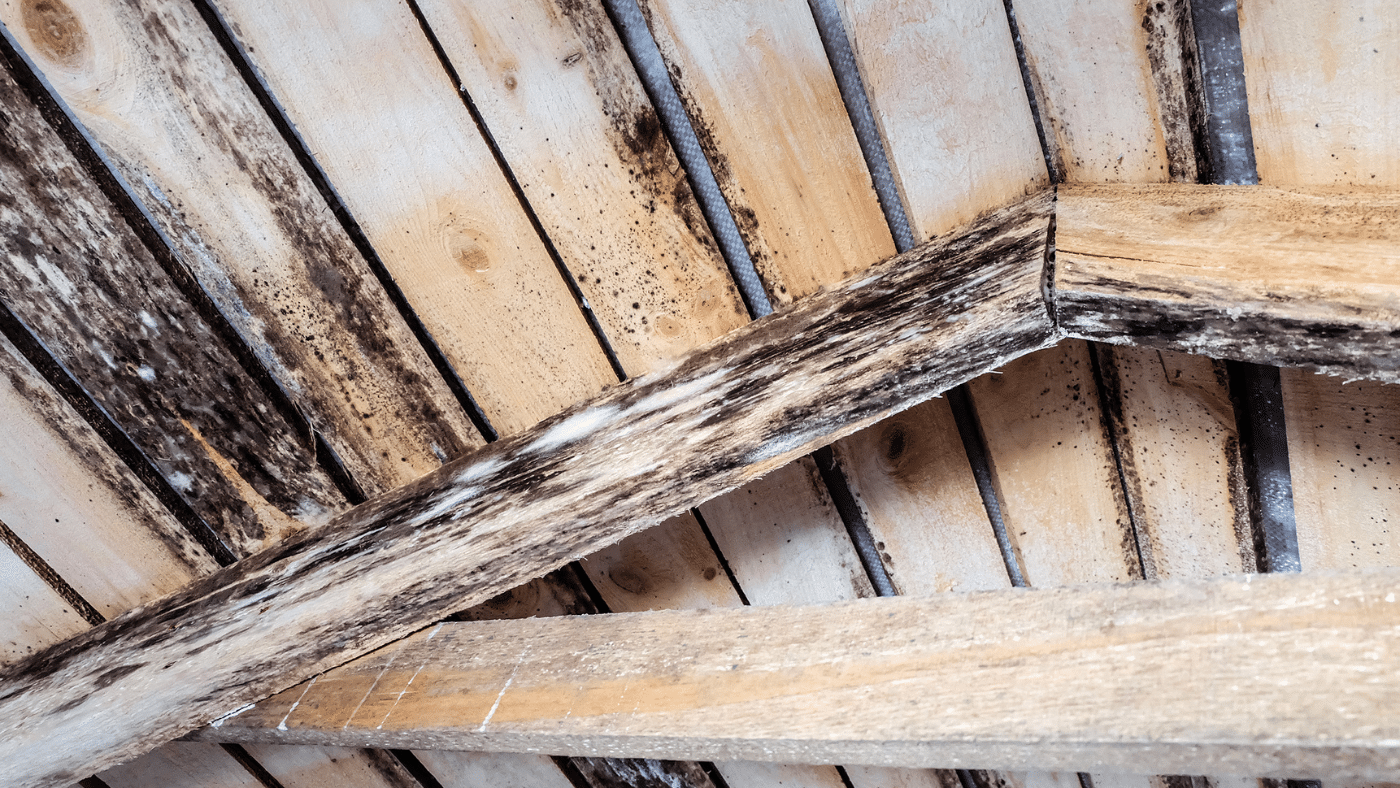
Attics are one of the most important areas evaluated during a mold inspection.
Common attic issues include:
- Roof leaks after heavy rain
- Bathroom fans venting into the attic
- Condensation on roof decking
- Damp insulation drying slowly
Attic mold often goes unnoticed until odors or ceiling stains appear, making inspections especially valuable.
HVAC Systems and Mold Inspections
HVAC systems are closely tied to mold issues in Melbourne homes.
During an inspection, professionals may evaluate:
- Air handlers and drain pans
- Condensate drain lines
- Evaporator coils
- Signs of condensation around vents
- Duct insulation condition
Because HVAC systems circulate air throughout the home, moisture or mold here can affect multiple rooms.
Hidden Mold and Why Inspections Matter
One of the biggest reasons homeowners schedule mold inspections is concern about hidden mold.
Hidden mold commonly grows:
- Behind drywall near plumbing
- Under laminate or vinyl flooring
- Inside wall cavities
- In attic insulation
- Around HVAC components
A mold inspection helps locate these hidden areas before damage spreads further.
Warning Signs That Often Lead to Mold Inspections
Many homeowners don’t see mold at first—they notice changes instead.
Common warning signs include:
- Persistent musty or earthy odors
- Odors stronger when the AC runs
- Mold that keeps returning after cleaning
- Peeling paint or bubbling drywall
- Rooms that feel damp despite cooling
- Increased indoor humidity
These symptoms often indicate moisture problems that warrant inspection.
Mold Testing vs Mold Inspection
Mold inspections and mold testing serve different purposes.
A mold inspection:
- Identifies moisture and growth conditions
- Locates visible and hidden mold
- Explains why mold developed
Mold testing:
- May identify mold types or levels
- Is useful in specific situations
- Works best when guided by inspection findings
Testing isn’t always needed, but inspections almost always are when mold is suspected.
When Mold Testing May Be Helpful
Mold testing may be considered when:
- Mold is suspected but not visible
- Odors persist without clear cause
- HVAC involvement is suspected
- Confirmation is needed after remediation
- Documentation is required
Testing without inspection context can be misleading, especially in humid climates.
Why DIY Mold Checks Fall Short
DIY mold checks often miss the real issue.
They fall short because:
- They focus only on visible areas
- Moisture sources aren’t identified
- Hidden mold goes undetected
- Results lack professional context
In Melbourne’s climate, mold inspections require understanding airflow, humidity, and building design.
What Happens After a Mold Inspection
After a mold inspection, homeowners typically receive:
- Clear findings about mold presence
- Identification of moisture sources
- Guidance on whether remediation is needed
- Practical prevention recommendations
Not every inspection leads to remediation. In some cases, correcting moisture issues is enough.
Brevard Mold Inspections & Removal provides mold inspections for Melbourne homeowners with a focus on clarity, accuracy, and practical solutions—never pressure or fear-based recommendations.
Mold Inspections After Storms or Water Events
Storms are a common reason homeowners request inspections.
After storms:
- Wind-driven rain may enter unnoticed
- Power outages stop humidity control
- Materials dry slowly
- Mold may develop weeks later
Post-storm mold inspections help catch problems early.
Preventing Mold After an Inspection
Mold prevention often starts with small adjustments.
Common recommendations include:
- Improving ventilation
- Addressing leaks promptly
- Maintaining HVAC systems
- Monitoring indoor humidity
- Inspecting attics after storms
Prevention is usually far less disruptive than repeated cleanup.
Why Local Melbourne Experience Matters
Mold behaves differently in Florida than in dry climates. Melbourne homes face challenges tied to humidity, slab foundations, storms, and long cooling seasons.
Local professionals understand:
- How moisture moves through Melbourne homes
- Where mold commonly hides locally
- How HVAC systems affect indoor moisture
- How storms influence drying timelines
Local experience leads to more accurate inspections and realistic recommendations.
A Calm, Practical Takeaway for Homeowners
A mold inspection in Melbourne is about understanding your home—not assuming the worst. Most mold issues stem from moisture that stayed too long, not extreme damage or neglect.
If your home has musty odors, recurring mold, or humidity that doesn’t seem right, a professional mold inspection can provide clarity. Knowing where moisture is present and how it’s affecting your home is the most effective way to protect your property and maintain comfort in Brevard County’s humid environment.