Mold Inspection in Merritt Island: What Homeowners in Brevard County Should Know
In Merritt Island, mold inspections are often requested when homeowners notice subtle changes that don’t immediately point to a clear problem. A musty smell that won’t go away, mold that keeps returning after cleaning, rooms that feel damp, or allergy-like discomfort indoors are all common reasons people start asking questions. In Brevard County’s coastal, humid environment, mold inspections are less about panic and more about understanding moisture behavior inside the home.
Merritt Island homes face unique conditions due to surrounding waterways, high water tables, frequent storms, and long cooling seasons. Because of this, mold often develops quietly and out of sight. A proper mold inspection helps homeowners understand what’s really happening—before small issues turn into costly repairs.
Why Mold Inspections Are Common in Merritt Island
Merritt Island sits between the Indian River and the Banana River, creating constant moisture pressure on homes. Even when there’s no flooding or obvious leak, moisture can linger inside building materials long enough to support mold growth.
Local factors that increase the need for inspections include:
- High year-round humidity
- Coastal and lagoon moisture
- Frequent rain and tropical storms
- Slab foundations common in the area
- Long AC run times that create condensation
- Homes kept closed and air-conditioned most of the year
Because moisture is persistent, mold issues don’t always announce themselves clearly.
What Triggers the Need for a Mold Inspection
Homeowners usually request inspections after noticing signs that don’t make sense on their own.
Common triggers include:
- Musty or earthy odors with no visible mold
- Mold that keeps returning after cleaning
- Odors that worsen when the AC runs
- Past water damage or storm exposure
- Buying or selling a home
- Concerns after hurricanes or heavy rain
- Unexplained humidity or dampness
In many cases, homeowners suspect mold but aren’t sure where it’s coming from.
What a Mold Inspection Really Focuses On
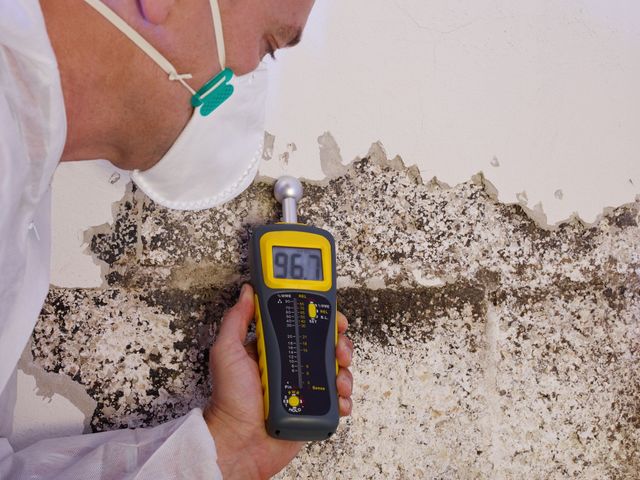
A proper mold inspection is not just about finding visible mold. It focuses on moisture—where it is, how it got there, and why it hasn’t dried.
A thorough inspection typically looks at:
- Moisture levels in walls, floors, and ceilings
- Areas with limited airflow
- HVAC systems and condensation points
- Attics for roof or ventilation-related moisture
- Bathrooms and kitchens
- Slab-related moisture concerns
- Signs of past or ongoing leaks
The goal is to understand conditions, not just symptoms.
Common Mold Locations Found During Inspections
In Merritt Island homes, mold is often hidden rather than obvious.
Frequently inspected areas include:
- Behind drywall near plumbing
- Under laminate, vinyl, or carpet flooring
- Inside wall cavities on exterior walls
- Attics after storms or roof issues
- HVAC air handlers and ductwork
- Closets with poor airflow
Visible mold is often only a small part of a larger moisture issue.
Slab Foundations and Mold Inspections
Most Merritt Island homes are built on slab foundations. Moisture can migrate upward from the ground and become trapped beneath flooring materials.
During inspections, professionals often look for:
- Elevated moisture under floors
- Musty odors without visible mold
- Flooring that feels damp or cool
- Mold that returns despite cleaning
Slab-related moisture is a common reason inspections uncover hidden mold.
Attics and Roof-Related Mold Issues
Attics are one of the most overlooked areas during routine home maintenance.
Attic inspections often reveal:
- Mold on roof decking
- Moisture-damaged insulation
- Improperly vented bathroom fans
- Small roof leaks from storms
- High humidity trapped in the attic
Because attics aren’t regularly accessed, mold can spread extensively before being noticed.
HVAC Systems and Mold Inspections
HVAC systems play a major role in indoor moisture and mold concerns.
During an inspection, attention is often given to:
- Condensate drain lines
- Drain pans with standing water
- Evaporator coils
- Condensation around vents
- Ductwork insulation
Mold inside HVAC systems can circulate spores and odors throughout the home.
Mold Inspection vs Mold Testing
Homeowners often ask whether testing is required during an inspection.
A mold inspection:
- Focuses on moisture and visible conditions
- Identifies likely mold sources
- Determines whether remediation is needed
Mold testing may be recommended when:
- Mold is suspected but not visible
- Odors persist without a clear source
- HVAC involvement is suspected
- Confirmation is needed after remediation
Testing is most useful when guided by inspection findings.
Why DIY Checks Miss Important Issues
Homeowners often look for mold themselves but miss hidden problems.
DIY checks fall short because:
- Moisture inside walls isn’t visible
- Mold under floors can’t be seen
- Attics and HVAC systems are overlooked
- Odors don’t point to exact locations
A professional inspection uses tools and experience to locate issues homeowners can’t see.
What a Mold Inspection Does Not Do
A mold inspection is not:
- A sales pitch
- A guarantee that mold is present
- A medical or legal evaluation
It’s an information-gathering process designed to give homeowners clarity.
Why Local Experience in Merritt Island Matters
Mold behaves differently in coastal Florida than in dry climates. Merritt Island homes face challenges tied to:
- Lagoon-driven humidity
- Storm exposure
- Slab foundations
- Salt air affecting building materials
Local professionals understand where moisture commonly hides and how mold develops in this environment.
Brevard Mold Inspections & Removal works with Merritt Island homeowners to conduct calm, thorough mold inspections focused on real conditions, not assumptions or fear tactics.
What Happens After a Mold Inspection
After an inspection, homeowners typically receive:
- A clear explanation of findings
- Identification of moisture sources
- Guidance on whether remediation is needed
- Prevention recommendations tailored to the home
This allows homeowners to make informed decisions rather than guessing.
Mold Inspections for Home Buyers and Sellers
Inspections are commonly requested during real estate transactions.
For buyers:
- Identifies hidden moisture or mold risks
- Helps avoid surprises after closing
For sellers:
- Provides clarity before listing
- Helps address issues proactively
In humid areas like Merritt Island, inspections can reduce uncertainty for both sides.
Preventing Mold After an Inspection
Even if no major mold is found, inspections often reveal prevention opportunities.
Common prevention recommendations include:
- Improving ventilation
- Managing indoor humidity
- Maintaining HVAC systems
- Addressing minor leaks promptly
- Inspecting attics after storms
Small changes can prevent larger problems later.
A Calm, Practical Takeaway for Homeowners
Mold inspections in Merritt Island are about understanding moisture—not assuming the worst. Most mold problems develop slowly and can be managed effectively once moisture sources are identified.
If your home has unexplained odors, recurring mold, past water damage, or you simply want peace of mind, a professional mold inspection can provide clarity. Knowing how moisture behaves in your home is the most effective way to protect your property and maintain comfort in Brevard County’s humid coastal environment.