
Mold Inspection in Merritt Island: What Homeowners in Brevard County Should Know
For many homeowners in Merritt Island, mold concerns often start with something small — a musty smell after a storm, a stain that slowly appears on the ceiling, or allergy-like irritation that seems worse indoors. Sometimes the concern comes after purchasing a home or dealing with a plumbing leak.
In Brevard County, mold inspections are extremely common because our climate naturally supports mold growth. High humidity, coastal moisture, heavy rainfall, and hurricane season all contribute to conditions where mold can develop quietly inside homes.
Whether you live in Merritt Island, Cocoa, Melbourne, Palm Bay, Rockledge, Titusville, or along the beaches, understanding how mold inspections work helps homeowners make informed decisions and avoid unnecessary stress.
A proper mold inspection isn’t about creating fear — it’s about getting clear answers so you can protect your home and family comfort.
What a Mold Inspection Really Is
A mold inspection is a professional evaluation of a home to determine whether mold growth or moisture problems are present. It focuses on identifying both visible mold and hidden conditions that allow mold to develop.
Many homeowners assume inspections are only needed when mold is obvious, but in Florida homes, mold frequently grows in areas that aren’t visible.
Common situations that lead homeowners to request inspections include:
• After hurricanes or heavy storms
• Following plumbing leaks or water damage
• Before buying or selling a home
• When unexplained odors appear
• After roof or AC leaks
• When humidity problems persist
• When occupants notice indoor air discomfort
An inspection helps answer key questions: Is mold present? Where is moisture coming from? And what steps may be needed next?
Why Mold Inspections Are Common in Brevard County
Homes throughout Brevard County face unique environmental challenges that increase mold risk.
Constant Humidity
Living near the coast means humidity levels stay high almost all year. Even well-maintained homes accumulate moisture indoors.
Hurricane and Storm Exposure
Storm systems regularly affect Merritt Island, Cocoa Beach, and Satellite Beach. Wind-driven rain often enters areas homeowners never notice immediately.
AC System Dependence
Air conditioning systems manage both temperature and moisture. When systems malfunction or condensation lines clog, moisture builds quickly.
Slab Foundations
Most Florida homes sit on slab foundations, trapping moisture when water intrusion occurs.
Attic Heat and Moisture
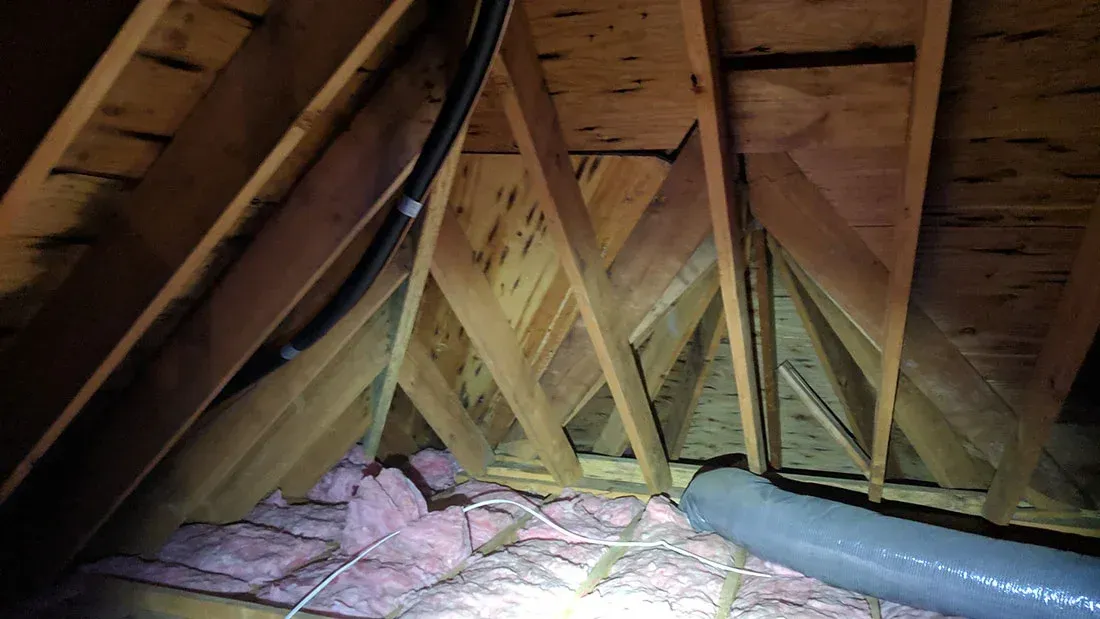
Attics across Merritt Island and surrounding communities often experience extreme heat and humidity, creating ideal mold conditions after roof leaks or ventilation problems.
Even newer homes in areas like Viera or Palm Bay experience moisture issues if ventilation or drainage systems are not functioning properly.
Signs That Often Lead to an Inspection
Homeowners don’t always see mold right away. Instead, they notice warning signs that prompt concerns.
Common signs include:
• Musty or damp odors
• Visible staining on walls or ceilings
• Peeling paint or bubbling drywall
• Warped flooring or baseboards
• Persistent dampness in closets or bedrooms
• Condensation around vents or windows
• Allergy-like irritation indoors
Sometimes homeowners simply feel their home smells different after storms or plumbing repairs.
A professional inspection helps determine whether mold is involved or if another moisture issue exists.
Hidden Mold Problems in Florida Homes
One reason inspections are important is because mold often grows where homeowners cannot see it.
Behind Walls
Small plumbing leaks or roof intrusion allow moisture to soak insulation and drywall inside walls.
Under Flooring
Water from flooding or appliance leaks frequently becomes trapped under flooring materials.
Attics
Attic mold is extremely common across Merritt Island due to roof leaks and ventilation problems.
HVAC Systems
Air handlers, ducts, and condensate lines can harbor mold if moisture accumulates.
Bathrooms and Kitchens
Leaks behind cabinets or under sinks often go unnoticed until mold spreads.
Homes inspected by Brevard Mold Inspections & Removal frequently show mold developing far beyond the area where water originally entered.
Why DIY Mold Checks Often Miss the Problem
Some homeowners attempt to check for mold themselves, but surface checks rarely reveal hidden moisture.
Common DIY mistakes include:
• Cleaning visible mold but ignoring moisture sources
• Painting over stains
• Assuming odors will go away on their own
• Using bleach on porous materials
• Running fans that spread spores
Without professional tools, it’s difficult to detect moisture inside walls or beneath floors.
Often, mold continues spreading unnoticed until repairs become more extensive.
What Happens During a Professional Mold Inspection
A professional mold inspection focuses on identifying moisture sources and evaluating potential contamination.
Typical inspection steps include:
Visual Assessment
Inspectors examine common problem areas including attics, walls, ceilings, closets, HVAC systems, and flooring transitions.
Moisture Detection
Specialized equipment measures moisture inside building materials without requiring wall removal.
Thermal or Moisture Mapping
Tools may reveal temperature or moisture differences indicating hidden water intrusion.
Air or Surface Sampling (When Needed)
Samples may be collected to compare indoor mold levels with outdoor air or confirm suspected contamination.
Laboratory Analysis
Samples, when taken, are analyzed to identify mold types and levels to help guide next steps.
The goal is to provide homeowners with clear, understandable findings rather than technical confusion.
What Happens If Mold Is Found
Finding mold does not automatically mean major demolition is required. Solutions depend on the size and cause of the problem.
A proper remediation approach may involve:
• Isolating affected areas
• Removing contaminated materials
• Cleaning structural surfaces
• Correcting moisture problems
• Filtering indoor air
• Preventing future moisture buildup
Professional remediation focuses on solving moisture sources, not just cleaning surfaces.
Homes across Merritt Island and Cocoa often only need targeted corrections when problems are caught early.
Preventing Mold Problems Going Forward
While Florida’s climate cannot be changed, homeowners can reduce mold risks through consistent maintenance.
Helpful steps include:
• Maintaining AC systems and condensate lines
• Inspecting roofs after storms
• Repairing leaks quickly
• Using dehumidifiers during humid months
• Ensuring bathrooms and kitchens are ventilated
• Checking attics for moisture issues
• Monitoring areas around water heaters and appliances
• Scheduling inspections after flooding or storms
Proactive steps often prevent small issues from becoming costly repairs.
Why Local Experience Makes a Difference
Mold inspections in Brevard County require local knowledge of building styles and climate patterns.
Homes in Merritt Island differ from those in Melbourne or Palm Bay. Coastal exposure, slab construction, and attic ventilation patterns all influence where mold develops.
Local professionals understand:
• Hurricane intrusion patterns
• Coastal humidity behavior
• Florida home construction methods
• Common moisture trouble spots
• Seasonal mold patterns
Companies like Brevard Mold Inspections & Removal work across Merritt Island and surrounding communities, helping homeowners understand moisture problems unique to the area.
A Calm Next Step for Homeowners
If you suspect mold or simply want peace of mind after a storm or leak, a professional mold inspection can provide clarity.
Many inspections reveal manageable moisture issues rather than major contamination, and early detection usually keeps repairs simpler and more affordable.
If you’ve noticed odors, stains, or lingering dampness, or if your home recently experienced water intrusion, scheduling an inspection can help you understand exactly what is happening and what, if anything, needs attention.
Getting answers early helps protect your home and maintain a comfortable indoor environment for years to come.