
Mold Inspection in Merritt Island: What Homeowners in Brevard County Should Know
Merritt Island homeowners enjoy waterfront views, mature neighborhoods, and a laid-back coastal lifestyle. But living between the Indian River and Banana River also means dealing with constant moisture in the air. In Brevard County, mold inspections are not just something people schedule after a major problem. They are often a proactive step to understand what’s happening inside a home before damage becomes obvious.
Many homeowners in Merritt Island first consider a mold inspection because of a musty smell, a past water issue, or concerns during a real estate transaction. Others simply want peace of mind in a climate where humidity, storms, and air conditioning systems work against building materials year-round. Knowing what a mold inspection involves and when it’s truly needed helps homeowners make calm, informed decisions.
What a Mold Inspection Really Is
A mold inspection is not just a quick look for visible mold. Its purpose is to evaluate moisture conditions, identify areas where mold may be growing, and determine whether further action is necessary.
In Merritt Island homes, mold is often hidden. It may be behind walls, under flooring, inside attic insulation, or within HVAC systems. A proper inspection looks beyond surface-level signs and focuses on the conditions that allow mold to exist.
The goal is clarity, not alarm. Sometimes an inspection confirms there is no active mold problem. Other times, it identifies moisture issues early enough to prevent larger damage.
Why Mold Inspections Are Common in Merritt Island
Merritt Island’s geography plays a major role. Surrounded by water, the area experiences consistently high humidity levels. Even on clear days, moisture in the air can infiltrate homes and slow down natural drying.
Frequent rainstorms and seasonal hurricanes add to the risk. Wind-driven rain can enter through roofs, windows, siding, and small exterior gaps without leaving immediate evidence. Moisture can remain trapped inside wall cavities or attic spaces long after the storm has passed.
Air conditioning systems also contribute. AC units remove humidity but produce condensation. In many Merritt Island homes, air handlers are located in closets, garages, or attics. When drain lines clog or systems run inefficiently, moisture can leak into surrounding materials unnoticed.
Older homes, common throughout Merritt Island, may have aging plumbing, outdated ventilation, or construction features that were not designed with modern moisture control in mind.
When Homeowners Typically Request a Mold Inspection
Homeowners schedule mold inspections for many reasons, not just visible mold.
A persistent musty odor is one of the most common triggers. If a smell keeps returning even after cleaning, it often indicates hidden moisture or mold growth.
Past water damage is another reason. Even if a leak or flood was repaired, mold can develop later if materials were not fully dried.
Real estate transactions frequently involve mold inspections. Buyers want to understand the condition of the home, and sellers want to address concerns before closing.
Some homeowners request inspections after storms or hurricanes, especially if there were roof leaks, power outages, or prolonged humidity inside the home.
Areas Commonly Evaluated During a Mold Inspection
A thorough mold inspection focuses on areas most vulnerable to moisture.
Bathrooms and kitchens are examined closely due to frequent water use and ventilation challenges.
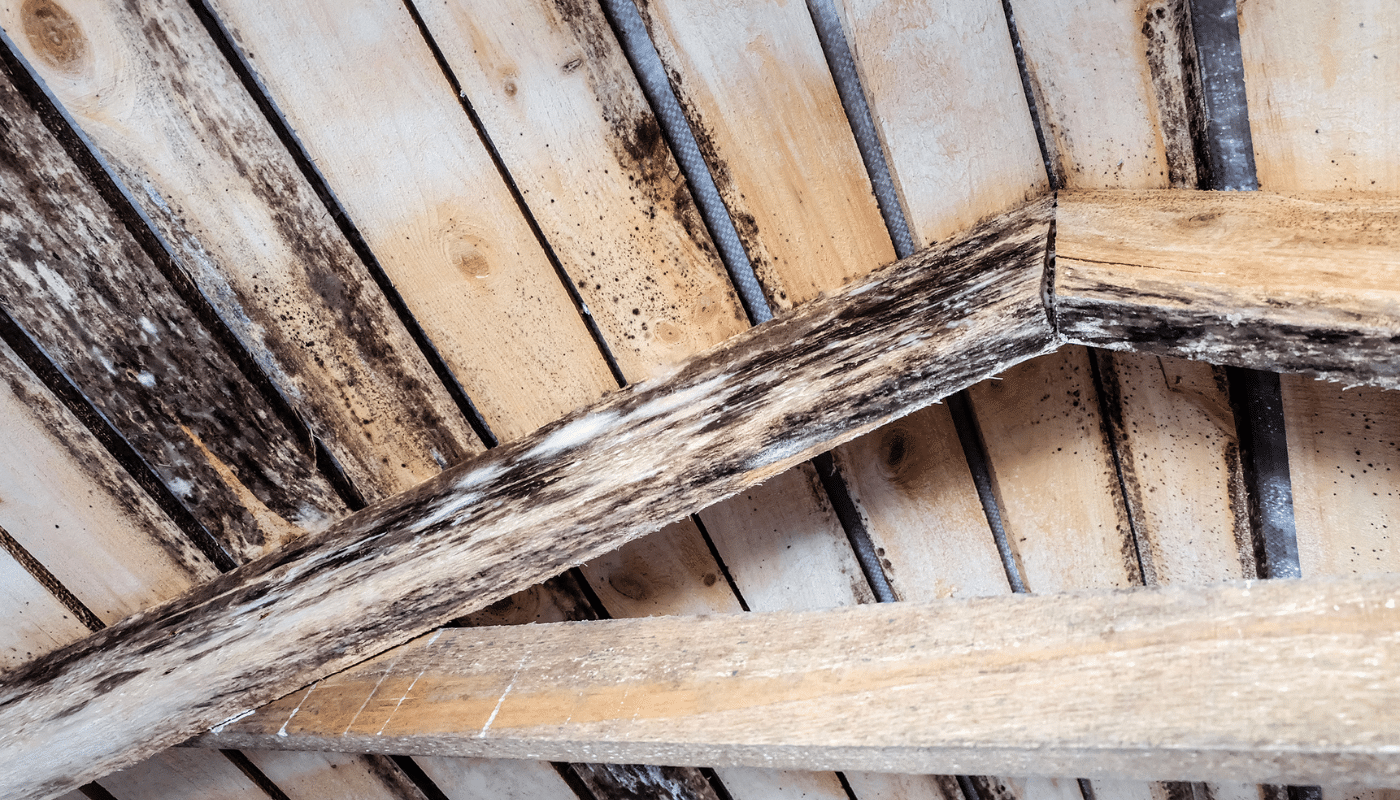
Attics are a major concern in Merritt Island homes. Poor ventilation, roof leaks, and humid air can lead to mold growth on roof decking and insulation.
HVAC systems are carefully evaluated. Air handlers, drain pans, ductwork, and supply vents are common sources of hidden mold.
Walls, ceilings, and flooring are checked, especially near windows, exterior walls, and areas with past leaks. Slab foundations can allow moisture to migrate upward beneath flooring materials.
Tools and Methods Used During a Professional Inspection
Professional mold inspections rely on more than visual observation.
Moisture meters are used to detect elevated moisture levels behind walls or under flooring, even when surfaces feel dry.
Thermal imaging may be used to identify temperature differences that suggest moisture intrusion or insulation issues.
In some cases, air or surface samples are collected. These samples are sent to a laboratory to identify mold types and relative levels. Sampling is not always necessary, but when used appropriately, it provides useful confirmation.
Local professionals such as Brevard Mold Inspections & Removal use these tools to build an accurate picture of conditions inside the home, not assumptions based on appearance alone.
What a Mold Inspection Does Not Do
A mold inspection is an assessment, not remediation. It does not involve removing mold or performing repairs.
It also does not automatically mean there is a serious problem. Many inspections result in findings related to moisture control rather than active mold growth.
Importantly, a mold inspection should never feel rushed or alarming. Its purpose is to provide homeowners with information so they can decide what, if anything, needs to be done next.
Understanding Mold Inspection Results
After the inspection, homeowners typically receive a summary of findings. This may include areas of concern, moisture readings, and lab results if samples were taken.
Results help determine whether mold is present, whether conditions are favorable for future growth, or whether the home is currently in good shape.
Clear explanations matter. Homeowners should understand what was found, why it matters, and what practical steps are recommended.
Why DIY Mold Checks Often Miss the Real Issue
Many homeowners try to check for mold themselves by looking for visible spots or using store-bought test kits. While well-intentioned, these approaches often miss hidden problems.
Mold test kits rarely provide context and can produce confusing results without professional interpretation.
Visual checks alone do not reveal moisture trapped behind walls or under flooring.
Without moisture detection tools and experience, it’s easy to overlook the conditions that actually cause mold growth.
Preventing Mold Issues After an Inspection
Whether or not mold is found, inspections often highlight ways to reduce future risk.
Keeping indoor humidity below 60 percent is one of the most effective steps.
Regular AC maintenance, including drain line cleaning, helps prevent condensation-related issues.
Using exhaust fans in bathrooms and kitchens reduces moisture buildup.
Inspecting the home after heavy rain or storms allows small issues to be addressed early.
Why Local Brevard County Experience Matters
Mold behavior in Merritt Island is influenced by coastal moisture, frequent storms, and local construction styles. Professionals familiar with Brevard County understand where problems typically occur and how quickly conditions can change.
Local experience allows inspections to be more targeted, practical, and accurate. It also helps homeowners avoid unnecessary concern while ensuring real issues are not overlooked.
A Practical Next Step for Merritt Island Homeowners
If you’re noticing persistent odors, have experienced water damage, or simply want peace of mind, a professional mold inspection is a reasonable next step. It provides clarity in a climate where moisture is unavoidable.
Trusted local providers like Brevard Mold Inspections & Removal focus on thorough inspections, clear communication, and homeowner education rather than pressure.
Mold inspections are not about finding problems where none exist. They are about understanding your home’s condition so you can protect it confidently in Merritt Island’s coastal environment.