
Mold Inspection in Merritt Island: What Homeowners in Brevard County Should Know
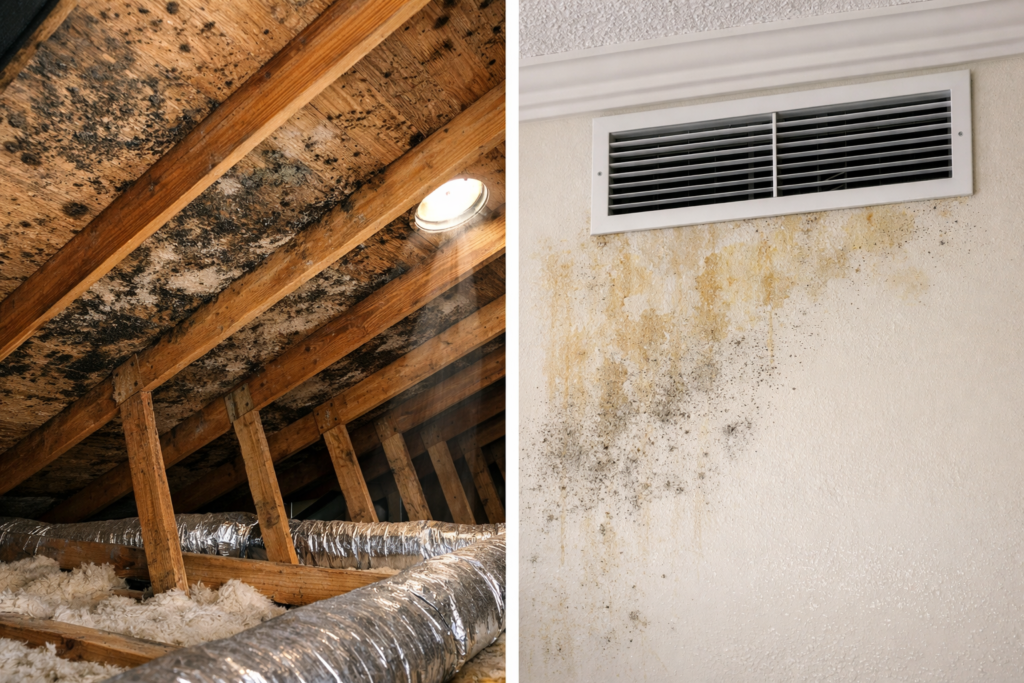
Living in Merritt Island means living surrounded by water, warm air, and year-round humidity. It’s part of what makes this area of Brevard County beautiful. But that same environment also creates ideal conditions for mold inside homes.
If you’re a homeowner in Merritt Island and you’re wondering whether you need a mold inspection, you’re not alone. Many property owners across Merritt Island, Cocoa, Rockledge, and nearby communities have similar concerns — especially after heavy rains, plumbing leaks, or during hurricane season.
Understanding what a mold inspection really involves, why it matters here in Brevard County, and what you should expect can help you make confident decisions about your home.
Why Mold Is a Common Concern in Merritt Island
Merritt Island sits between the Indian River and the Banana River. That proximity to water means consistently high humidity levels. Even when it’s not raining, the air carries moisture.
Inside a home, that moisture can settle into:
- Drywall
- Insulation
- Wood framing
- Ceiling cavities
- HVAC systems
- Flooring materials
When moisture lingers, mold can develop. It doesn’t require flooding. Sometimes it’s just a small roof leak, a clogged AC drain line, or poor attic ventilation.
Across Brevard County — from Melbourne to Titusville — mold growth is usually tied to one thing: hidden or unmanaged moisture.
What a Mold Inspection Actually Is
A mold inspection is not just someone looking at a stain on the wall.
A proper inspection is a systematic evaluation of your home to determine:
- Whether mold is present
- Where it is located
- What caused it
- Whether moisture is still active
- What steps are necessary to resolve it
The goal is clarity, not alarm.
In many Merritt Island homes, what appears to be mold turns out to be minor surface growth tied to condensation. In other cases, small visible signs reveal hidden moisture behind walls or in attic spaces.
An inspection helps separate minor concerns from issues that require remediation.
Why Homes in Merritt Island Are Especially Vulnerable
There are several local factors that increase mold risk here.
1. Constant Humidity
Brevard County rarely experiences dry air. Even during cooler months, indoor humidity can stay elevated if HVAC systems aren’t properly balanced.
If indoor humidity regularly exceeds 55–60%, mold growth becomes more likely.
2. Hurricane and Storm Activity
Merritt Island homes are no strangers to hurricane season. Wind-driven rain can enter through:
- Roof shingles
- Flashing
- Windows
- Sliding doors
- Soffits
Sometimes leaks are small and go unnoticed for weeks. By the time staining appears, mold may already be developing behind drywall.
3. Slab Foundations
Many homes in Merritt Island, Rockledge, and Palm Bay are built on slabs. If vapor barriers are compromised or drainage around the home isn’t ideal, moisture can migrate upward into flooring materials.
Luxury vinyl plank and tile can trap moisture underneath, creating hidden growth conditions.
4. Attic Heat and Poor Ventilation
Florida attics get extremely hot. When warm, moist air meets cooler roof decking, condensation forms.
We often find mold growth on:
- Roof sheathing
- Trusses
- Attic insulation
Especially when bathroom exhaust fans vent into the attic instead of outside.
5. AC System Condensation
Air conditioning systems run almost year-round in Merritt Island. Drain lines clog. Air handlers sweat. Ductwork in hot attics can create condensation if insulation is compromised.
HVAC-related moisture is one of the most overlooked causes of mold in Brevard County homes.
Signs You Might Need a Mold Inspection
Not every home needs testing. But certain signs should prompt an evaluation.
Persistent Musty Odor
If your home smells damp or earthy, especially in closets or certain rooms, that’s often the first indicator.
Recent Water Damage
After a roof leak, plumbing issue, or storm intrusion, it’s wise to confirm materials dried properly.
Visible Discoloration
Dark spotting on drywall, ceilings, baseboards, or around vents should be evaluated.
Warped or Bubbling Materials
Peeling paint or swelling trim often signals trapped moisture.
Indoor Air Concerns
If you notice increased irritation indoors that improves when you leave the home, it may be worth investigating environmental conditions.
The key is not to panic — but also not to ignore persistent signs.
What Happens During a Professional Mold Inspection
A thorough mold inspection in Merritt Island should include several steps.
Visual Assessment
The inspector evaluates high-risk areas:
- Attics
- AC closets
- Around windows
- Under sinks
- Baseboards
- Ceilings
- Garages
This isn’t just surface-level viewing. It involves understanding how Florida homes are constructed and where moisture typically hides.
Moisture Detection
Specialized moisture meters and thermal imaging tools detect elevated moisture behind walls or under flooring.
In slab homes especially, this step is critical.
Identifying the Source
Mold is a symptom, not the root problem. The inspection focuses heavily on identifying what caused the moisture.
Is it roof-related?
HVAC-related?
Plumbing?
Poor ventilation?
Without correcting the source, mold will return.
Air or Surface Sampling (When Appropriate)
In some cases, samples are collected and sent to an independent laboratory for analysis.
Testing may be useful when:
- There are no visible signs but strong odors
- A real estate transaction requires documentation
- Remediation clearance verification is needed
Testing isn’t always required, but when used properly, it provides objective data.
At Brevard Mold Inspections & Removal, inspections are focused on providing clear, understandable findings tailored to Brevard County conditions.
Common Areas Where Mold Is Found in Merritt Island Homes
Through years of inspecting homes across Merritt Island, Cocoa Beach, and Satellite Beach, certain patterns appear repeatedly.
Attics
Improper ventilation and heat buildup create ideal conditions for mold growth on roof decking.
Air Handler Closets
Condensation from HVAC units can saturate surrounding drywall and framing.
Behind Bathroom Walls
Small plumbing leaks often go undetected for months.
Under Kitchen Sinks
Slow drips create long-term dampness inside cabinets.
Around Windows
Wind-driven rain during storms can infiltrate poorly sealed frames.
Understanding these common zones helps inspectors target their evaluation efficiently.
Why DIY Mold Testing Kits Often Miss the Bigger Picture
Many homeowners try at-home mold test kits first.
The issue is that mold spores exist naturally in the air. A petri dish left open in any Florida home may grow something — that doesn’t mean there’s a problem.
DIY kits typically:
- Don’t identify moisture sources
- Don’t measure relative spore concentration accurately
- Don’t distinguish between normal and elevated levels
A professional inspection focuses on context — moisture mapping, building materials, ventilation, and real-world conditions specific to Brevard County homes.
What Happens If Mold Is Found?
Finding mold doesn’t automatically mean extensive demolition.
The response depends on:
- Size of affected area
- Location
- Type of materials involved
- Whether moisture is ongoing
Small, localized growth may require targeted cleaning and moisture correction.
Larger areas may require containment and removal of affected materials.
Proper remediation typically includes:
- Containing the affected area
- Correcting the moisture source
- Safely removing contaminated materials if necessary
- Thorough drying
- Verification that conditions are stable
The goal is not just removal — it’s long-term prevention.
Preventing Mold After an Inspection
Whether mold is found or not, inspections often reveal opportunities to reduce future risk.
For Merritt Island homeowners, prevention includes:
- Keeping indoor humidity below 55%
- Servicing AC systems regularly
- Flushing drain lines
- Inspecting attic ventilation annually
- Checking for leaks after storms
- Ensuring bathroom fans vent outside
- Monitoring areas under sinks
- Addressing minor leaks immediately
Especially during hurricane season, post-storm moisture checks can prevent larger issues later.
Why Local Experience in Brevard County Matters
Mold inspections in Arizona look very different from inspections in Florida.
Here in Brevard County, inspectors must understand:
- Coastal moisture dynamics
- Hurricane intrusion patterns
- Slab foundation behavior
- Attic heat buildup
- Constant HVAC operation
Homes in Merritt Island differ from those in Titusville or Melbourne, but they share common environmental pressures.
Working with a company familiar with local construction styles and climate patterns ensures nothing is overlooked.
Brevard Mold Inspections & Removal has worked with homeowners, buyers, landlords, and property managers throughout Merritt Island and surrounding communities, providing inspections that reflect real Florida conditions — not generic checklists.
A Calm, Practical Next Step
If you’re unsure whether your home needs a mold inspection, consider the context:
- Has there been recent water intrusion?
- Are you noticing persistent odors?
- Are you buying or selling a home?
- Do certain rooms feel consistently damp?
An inspection provides clarity. It helps you understand what’s happening inside your home and whether action is needed.
For Merritt Island homeowners, being proactive is far easier than addressing long-term moisture damage later.
If you have concerns, scheduling a professional mold inspection with a local Brevard County specialist can provide straightforward answers and peace of mind — without unnecessary alarm.
Your home sits in a humid, coastal environment. With the right awareness and timely evaluation, mold can be managed effectively and prevented from becoming a larger issue.