
Mold Inspection in Merritt Island: What Homeowners in Brevard County Should Know
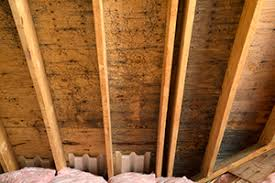
Many homeowners in Merritt Island don’t think about mold inspection until they smell something unusual or notice a stain on a wall or ceiling. The truth is, mold inspections often reveal moisture problems long before mold becomes visible, and catching those issues early can prevent much larger repairs.
I’ve inspected homes where homeowners assumed everything was fine, yet moisture readings showed damp drywall behind a wall after a small plumbing leak. Ever notice how a musty smell sometimes appears even when surfaces look clean? That’s often the first sign an inspection is needed.
Let’s look at how mold inspections work and what homeowners in Brevard County should know.
What a Mold Inspection Actually Involves
A mold inspection focuses on identifying moisture sources, conditions that support mold growth, and visible or hidden mold. The goal isn’t just to find mold—it’s to determine why it might be developing.
Typical inspection steps include:
- Visual inspection of common problem areas
- Checking humidity and moisture levels
- Inspecting attics, crawl spaces, and HVAC systems
- Identifying areas at risk of mold growth
Rhetorical question time: if moisture remains hidden inside walls, can anyone detect it without tools? Usually not.
That’s why inspections rely on specialized equipment.
Tools Used During Mold Inspections
Inspectors often use tools designed to detect moisture and environmental conditions.
Common tools include:
- Moisture meters to measure damp materials
- Thermal imaging cameras to locate temperature differences
- Hygrometers to measure humidity levels
These tools help identify damp areas that aren’t visible.
IMO, moisture meters alone reveal many hidden problems homeowners never suspect.
When Homeowners Should Schedule an Inspection
Mold inspections are helpful in several situations.
Common reasons include:
- Persistent musty odors
- Water damage or leaks
- Mold returning after cleaning
- High humidity indoors
Ever notice how some odors never completely disappear no matter how much cleaning happens? That often indicates hidden moisture.
Inspections help locate the source.
Where Inspectors Look First
Certain areas of homes are more likely to develop mold, so inspections often begin there.
Frequent inspection locations include:
- Bathrooms and kitchens
- Attics and crawl spaces
- Around windows and plumbing
- HVAC systems
These areas experience the most moisture and humidity.
Finding moisture early prevents mold from spreading.
The Role of Mold Testing
Mold testing sometimes accompanies inspection, especially when indoor air quality concerns exist.
Testing may help determine:
- Airborne mold levels
- Types of mold present
- Differences between indoor and outdoor air
Inspection identifies conditions. Testing measures the air.
Together, they provide a clearer understanding of what’s happening inside a home.
Why Hidden Moisture Is the Biggest Concern
Many mold problems begin in areas homeowners rarely see.
Hidden moisture often develops:
- Behind drywall
- Under flooring
- Inside insulation
Ever wonder why mold sometimes appears weeks after a leak? Moisture trapped inside materials often dries slowly and allows mold to grow over time.
Surface dryness doesn’t always mean materials inside are dry.
What Happens After an Inspection
After an inspection, homeowners usually receive findings that explain:
- Moisture sources
- Areas needing attention
- Recommendations for drying or remediation
Not every inspection results in remediation. Sometimes correcting ventilation or repairing a small leak solves the issue completely.
Early detection often prevents larger repairs.
How Inspections Help Prevent Mold
Inspections don’t just find mold—they help prevent it by identifying conditions that allow mold to grow.
Benefits of inspections include:
- Detecting moisture early
- Improving ventilation and airflow
- Preventing hidden mold growth
Ever notice how homes that receive routine inspections rarely develop major mold problems? Preventive care makes a difference.
Why Acting Early Saves Time and Money
One consistent lesson from inspections is that early attention prevents larger repairs later.
When moisture problems are addressed early:
- Mold often never develops
- Repairs stay smaller
- Indoor air quality remains stable
Waiting allows moisture to damage materials and increase remediation costs.
Maintenance almost always costs less than restoration.
Final Thoughts
Mold inspection in Merritt Island homes helps homeowners identify moisture problems, hidden mold, and indoor air quality concerns before they become major issues. Because Florida’s humidity creates ideal conditions for mold, periodic inspections provide valuable peace of mind and help prevent costly repairs.
Understanding how inspections work and when to schedule them helps homeowners protect both their homes and their indoor environments.