
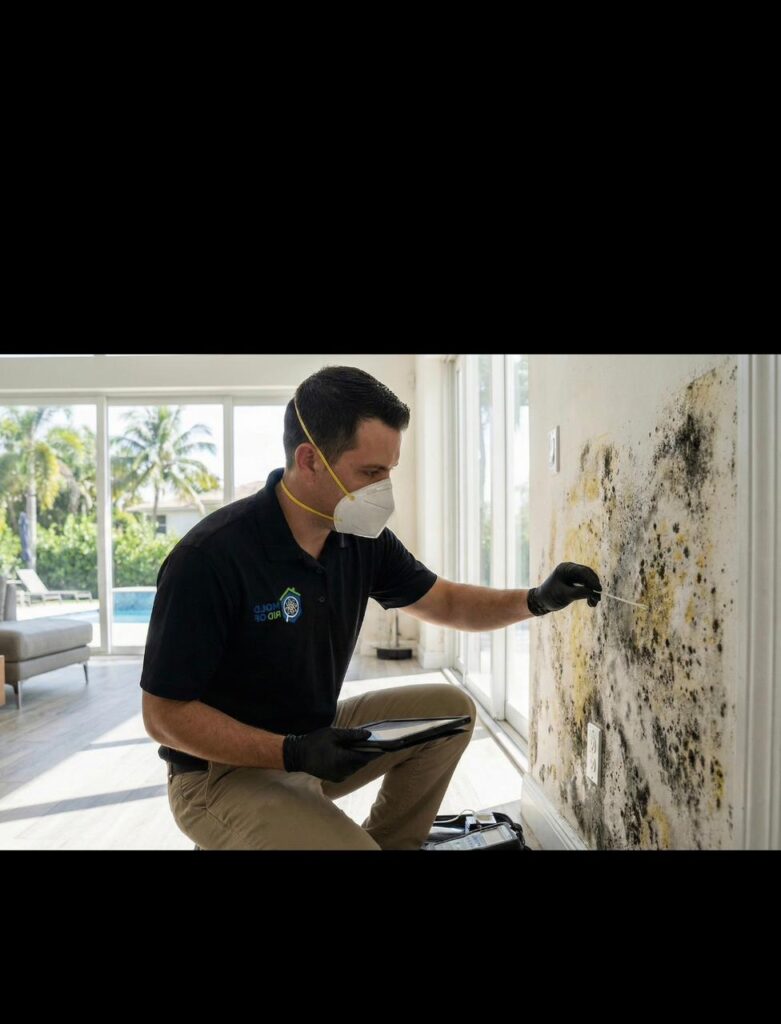
Mold Inspection in Merritt Island: What Homeowners in Brevard County Should KnowMold inspections are a critical step for homeowners in Merritt Island and across Brevard County. With high humidity, frequent storms, coastal moisture, and year-round AC use, mold can develop quickly and remain hidden for long periods. A proper mold inspection helps identify problems early, before they turn into costly repairs or health concerns.This guide explains when mold inspections are needed, how they work, what they include, and why they matter for Merritt Island homes.⸻Why Mold Inspections Are Important in Merritt IslandMerritt Island’s environment creates ongoing moisture pressure on homes.Common contributing factors include: • High year-round humidity • Frequent rain and storm events • Hurricane-related water intrusion • AC condensation issues • Plumbing leaks • Slab and coastal construction • Limited airflow in certain areasMold can begin growing within 24–48 hours after moisture exposure, often without visible signs.⸻When Homeowners Should Schedule a Mold InspectionA mold inspection is recommended when: • Musty odors are present • Mold is visible anywhere in the home • Health symptoms worsen indoors • Water damage or flooding occurred • Buying or selling a home • After hurricanes or severe storms • Mold keeps returning after cleaning • HVAC systems show signs of moisture or mold • High indoor humidity persistsInspections are especially important after water events, even if surfaces appear dry.⸻What a Professional Mold Inspection IncludesA proper mold inspection goes beyond a visual check.Visual AssessmentInspectors examine: • Walls and ceilings • Bathrooms and kitchens • Under sinks and cabinets • HVAC systems and ductwork • Attics and crawl spaces • Closets and storage areas • Around windows and doorsMoisture DetectionTools are used to locate hidden moisture, including: • Moisture meters • Thermal imaging cameras • HygrometersMoisture detection is essential, as mold follows moisture.Odor EvaluationInspectors identify areas with musty or damp odors that may indicate hidden growth.HVAC EvaluationAir handlers, drain pans, coils, and ductwork are inspected for moisture and mold contamination.⸻Mold Testing During InspectionsTesting is not always required, but may be included when appropriate.Common Testing Methods • Air sampling • Surface sampling • Swab or tape lift samplesTesting may be useful when: • Mold is suspected but not visible • Documentation is needed for insurance or real estate • Health concerns require confirmation • Hidden mold is suspected inside walls or systemsVisible mold generally does not require testing to justify remediation.⸻What Mold Inspections Do Not DoA mold inspection: • Does not remove mold • Does not fix leaks • Does not guarantee mold-free conditions forever • Does not replace remediation when mold is presentThe inspection provides information needed to make correct decisions.⸻Common Areas Mold Is Found in Merritt Island HomesInspections frequently identify mold in: • Bathrooms and shower areas • Under sinks and vanities • Behind drywall near plumbing • Attics with ventilation or roof issues • Crawl spaces • HVAC systems • Closets on exterior walls • Under flooring after water damageHidden mold is more common than visible mold.⸻Health and Indoor Air Quality ConsiderationsMold inspections help protect indoor air quality.Potential concerns include: • Respiratory irritation • Allergy-like symptoms • Sinus congestion • Headaches • Worsening asthmaChildren, seniors, and individuals with respiratory conditions are more sensitive to mold exposure.⸻Mold Inspections for Home Buyers and SellersBuyers • Identify hidden mold before purchase • Avoid unexpected remediation costs • Gain leverage during negotiationsSellers • Address issues before listing • Reduce delays and disputes • Provide documentation to buyersMold inspections are commonly requested during real estate transactions in Brevard County.⸻Insurance and Mold InspectionsInspections can support insurance claims by: • Documenting mold presence • Identifying moisture sources • Establishing timelines • Supporting cause-of-loss determinationsInsurance companies often rely on professional inspection reports.⸻Why DIY Inspections Are LimitedDIY inspections miss hidden problems.Limitations include: • No moisture detection tools • Inability to inspect inside walls • Missed HVAC contamination • No documentation for insurance or real estate • Misidentifying stains or condensationProfessional inspections provide objective, documented findings.⸻Preventing Mold After an InspectionInspections often include prevention recommendations, such as: • Fixing moisture sources • Improving ventilation • Maintaining HVAC systems • Controlling indoor humidity between 30–50% • Monitoring problem areas • Responding quickly to water intrusionPrevention reduces future mold risk.⸻When Mold Inspection Leads to RemediationIf mold is found: • Moisture sources must be corrected • Contaminated materials may need removal • Containment may be required • Air filtration may be necessaryInspections help determine the scope and urgency of remediation.⸻Why Early Inspection Saves MoneyEarly inspections can prevent: • Widespread mold growth • Structural damage • HVAC contamination • Health complaints • Higher remediation costs • Insurance disputesSmall problems are far easier to address than advanced mold damage.⸻Final ThoughtsMold inspections are an essential tool for homeowners in Merritt Island and throughout Brevard County. High humidity, storms, and hidden moisture make mold a common but manageable issue when detected early.A thorough mold inspection provides clarity, protects indoor air quality, and helps homeowners make informed decisions before mold problems escalate.