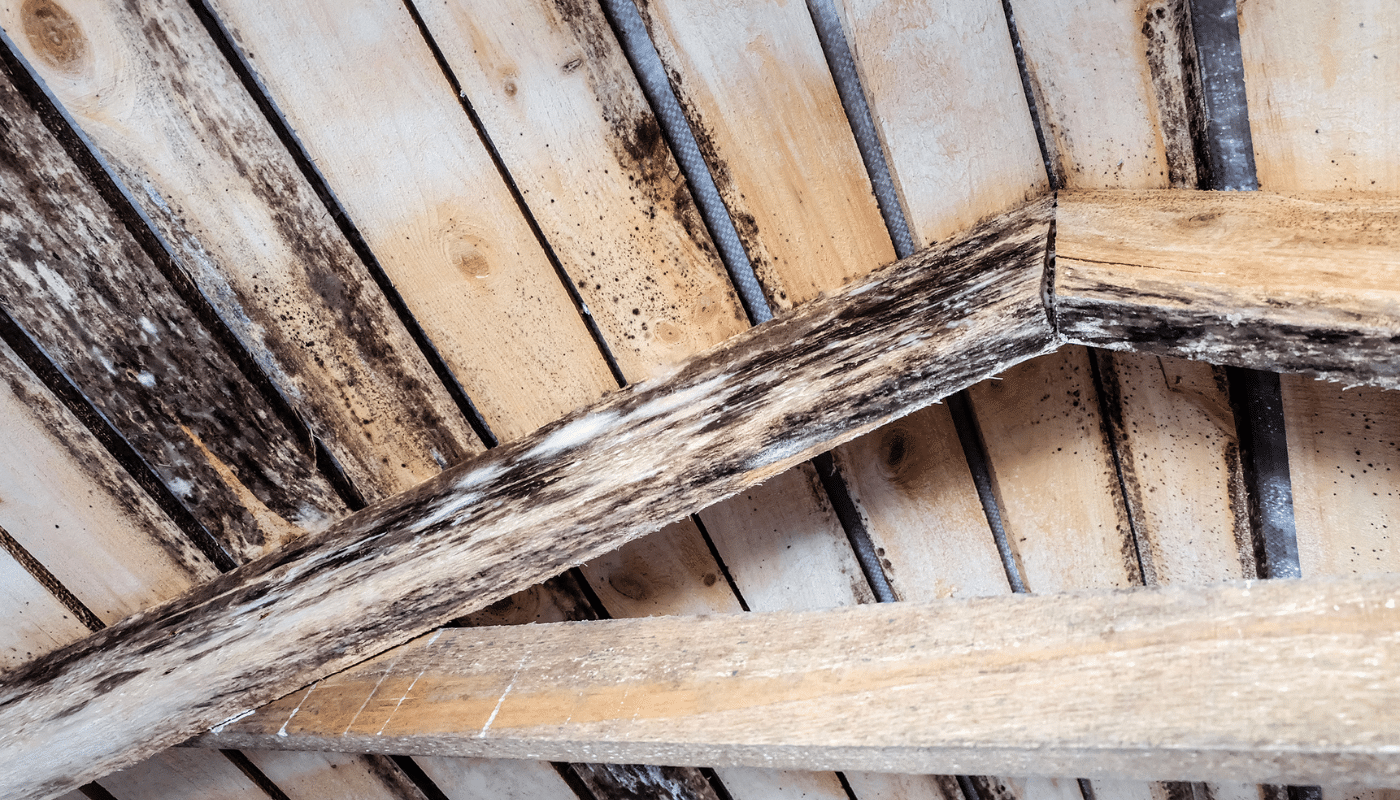
Mold Inspection in Merritt Island: What Homeowners in Brevard County Should Know
In Merritt Island, mold inspections aren’t just for homes with obvious problems. Many inspections start because something feels off—a musty odor that won’t go away, humidity that’s hard to control, or mold that keeps coming back after cleaning. In Brevard County’s coastal environment, those early signals matter. Moisture behaves differently here, and mold often develops out of sight long before it’s visible.
A mold inspection is about understanding conditions, not jumping to conclusions. Knowing what an inspection looks for, why it’s helpful in Merritt Island homes, and when it makes sense can help homeowners act early and avoid repeat issues.
Why Mold Inspections Are Common in Merritt Island
Merritt Island is surrounded by water, with lagoon humidity and coastal weather influencing indoor conditions year-round. Even without flooding, moisture can linger inside walls, attics, and floors.
Local factors that increase the need for inspections include:
- High, persistent humidity
- Wind-driven rain during storms
- Slab foundations that trap moisture beneath flooring
- Long AC run times that cool air faster than they dry materials
- Attics exposed to heat and moisture
- Homes kept closed and air-conditioned much of the year
Because drying is slower here, small moisture issues can quietly turn into mold problems.
What a Mold Inspection Actually Does
A mold inspection isn’t just a visual walk-through. It’s a structured process focused on finding moisture and understanding how it moves through the home.
A typical inspection looks at:
- Visible mold or staining
- Moisture levels in walls, ceilings, and floors
- Areas prone to hidden moisture
- HVAC components and drainage
- Attics, roof penetrations, and ventilation
The goal is to determine why mold may be present—or likely to develop—not just where it’s visible.
When Homeowners in Merritt Island Should Consider an Inspection
A mold inspection is especially helpful when:
- Musty odors persist without visible mold
- Mold returns after cleaning
- A home experienced water damage or storms
- Indoor humidity feels difficult to control
- Buying or selling a property
- Health or comfort concerns point to air quality issues
In many Merritt Island homes, inspections identify moisture risks before mold becomes widespread.
Common Areas Inspected in Merritt Island Homes
Because mold often hides, inspections focus on areas where moisture is likely to linger.
High-priority areas include:
- Attics and roof decking after storms
- Behind drywall near plumbing lines
- Beneath laminate or vinyl flooring
- HVAC air handlers, drain pans, and ductwork
- Bathrooms with limited ventilation
- Closets on exterior walls
Finding hidden moisture early can prevent larger repairs later.
Attics: A Major Focus in Local Inspections
Attics are one of the most common places inspectors find mold-related conditions in Merritt Island.
Common attic issues include:
- Bathroom fans venting into the attic
- Small roof leaks after storms
- Condensation on roof decking
- Damp insulation drying slowly
Because attics aren’t routinely checked, problems can develop unnoticed for long periods.
HVAC Systems and Mold Inspections
HVAC systems play a big role in indoor moisture control. When something goes wrong, they can contribute to mold issues throughout the home.
During an inspection, HVAC-related checks often include:
- Condensate drain lines and pans
- Signs of standing water
- Internal condensation patterns
- Ductwork insulation in attics
Mold near HVAC components can affect air movement and humidity in every room.
Slab Foundations and Moisture Detection
Most Merritt Island homes are built on slab foundations. Slabs can retain moisture and allow it to migrate upward.
Inspections often look for:
- Moisture beneath flooring
- Odors without visible mold
- Flooring changes or soft spots
- Condensation patterns near baseboards
Slab-related moisture is a common source of hidden mold in coastal homes.
What Mold Testing Does—and Doesn’t—Do
Mold testing isn’t always required, but it can be useful in specific situations.
Testing may help when:
- Mold is suspected but not visible
- Odors persist without a clear source
- Verification is needed after remediation
- Documentation is required
Testing works best when guided by inspection findings that explain moisture behavior. It doesn’t replace an inspection—it supports it.
Why DIY Checks Often Miss the Real Problem
Homeowners sometimes try to “inspect” by looking for visible mold or using DIY test kits. These approaches often miss what matters most.
DIY checks commonly fail because:
- Hidden moisture isn’t detected
- Mold behind walls or under floors is missed
- Results lack context
- Moisture sources remain unidentified
A professional inspection focuses on conditions that lead to mold, not just surface signs.
What Happens After a Mold Inspection
After an inspection, homeowners should have a clear understanding of:
- Whether mold is present or likely
- Where moisture is coming from
- How extensive the issue may be
- What steps make sense next
Sometimes the outcome is reassurance and prevention guidance. Other times, it’s a plan for remediation. Either way, clarity reduces guesswork.
Brevard Mold Inspections & Removal works with Merritt Island homeowners to provide clear, calm evaluations—focusing on facts and conditions rather than assumptions.
Mold Inspections After Storms and Water Events
Storms are a common reason Merritt Island homeowners schedule inspections—even when there’s no visible damage.
After storms:
- Wind-driven rain can enter small openings
- Attics and walls absorb moisture
- Power outages slow drying
- Mold may develop weeks later
Post-storm inspections often catch moisture early, before mold becomes established.
Preventing Mold Based on Inspection Findings
One of the biggest benefits of an inspection is prevention.
Common prevention steps identified include:
- Improving ventilation
- Correcting AC drainage issues
- Sealing roof or exterior penetrations
- Managing indoor humidity
- Addressing small leaks promptly
Targeted prevention is far more effective than repeated cleanup.
Why Local Merritt Island Experience Matters
Mold inspections in Florida aren’t one-size-fits-all. Merritt Island homes face unique challenges tied to lagoon humidity, storms, slab construction, and long cooling seasons.
Local professionals understand:
- Where moisture commonly hides locally
- How storms affect drying timelines
- How HVAC systems behave in coastal conditions
- How slab foundations contribute to hidden moisture
Local knowledge leads to more accurate inspections and practical recommendations.
A Calm, Practical Takeaway for Homeowners
A mold inspection in Merritt Island isn’t about confirming worst-case scenarios—it’s about understanding what’s happening inside your home. Most mold issues in Brevard County stem from moisture that stayed too long, not from extreme events or neglect.
If your home has persistent odors, recurring mold, or unexplained humidity, an inspection can provide clarity and peace of mind. Knowing where moisture is present—and why—helps homeowners protect their property, prevent future problems, and stay comfortable in Florida’s challenging coastal climate.