
Mold Inspection in Satellite Beach: What Homeowners in Brevard County Should Know
For homeowners in Satellite Beach, mold inspections are less about fear and more about clarity. Living close to the ocean brings constant humidity, salt air, and frequent storms—all of which increase the chances of moisture lingering inside a home. Even well-maintained houses can develop mold issues under these conditions.
A proper mold inspection helps answer practical questions: Is there mold? Where is moisture coming from? Is the issue surface-level or hidden? And what actually needs to be done next? Understanding how mold inspections work in Satellite Beach allows homeowners to make calm, informed decisions without guessing.
What a Mold Inspection Really Is
A mold inspection is an evaluation of conditions, not just visible mold.
The purpose is to identify moisture sources, areas at risk, and any existing mold growth—visible or hidden. Inspections focus on why mold may be present, not just where stains appear.
A mold inspection is not automatically mold removal, and it’s not always about testing. In many Satellite Beach homes, identifying moisture pathways provides more useful information than lab results alone.
Why Mold Inspections Are Common in Satellite Beach
Brevard County experiences high humidity year-round, but Satellite Beach adds a coastal layer that makes moisture control even harder.
Local factors include:
- Constant ocean humidity and salt air
- Wind-driven rain during storms
- Long air-conditioning seasons
- Slab foundations that trap moisture
- Condensation inside walls and HVAC systems
These conditions mean moisture can enter or form inside homes even without obvious leaks. Mold inspections are often requested after storms, persistent odors, recurring surface mold, or during real estate transactions.
Situations That Often Prompt an Inspection
Satellite Beach homeowners usually schedule mold inspections for a few key reasons.
Persistent musty or earthy odors are a common trigger, especially when smells intensify while the AC is running. Visible mold that keeps returning after cleaning is another.
Inspections are also common after water events—roof leaks, window intrusion, plumbing leaks, or HVAC drain issues—even when damage seemed minor at the time.
Home buyers and sellers often request inspections to avoid surprises and document conditions before closing.
Where Inspectors Focus First
A thorough mold inspection looks beyond obvious areas.
Bathrooms are evaluated for ventilation issues, plumbing leaks, and condensation patterns. Ceilings above showers and areas near exhaust fans are common moisture points.
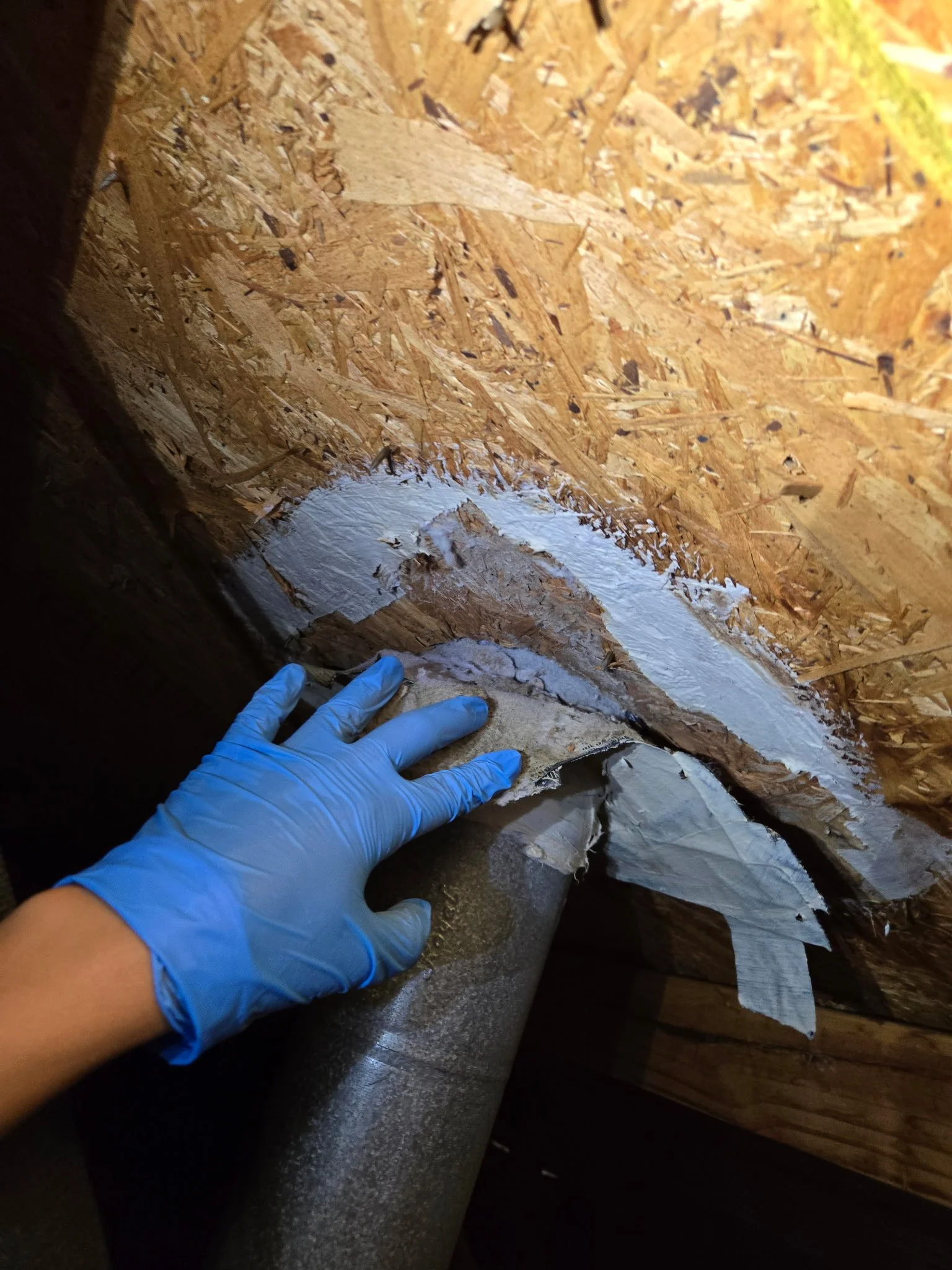
HVAC systems receive close attention. Air handlers, drain pans, condensate lines, duct insulation, and nearby building materials are checked because AC-related moisture is one of the most common mold sources in coastal homes.
Attics are a major focus. Inspectors look for roof intrusion, condensation on roof decking, wet insulation, and improperly vented bathroom fans.
Walls, ceilings, and floors near plumbing lines, windows, and exterior walls are assessed—especially in slab-on-grade homes where moisture can remain hidden under flooring.
How Moisture Is Detected During Inspections
Moisture detection is the backbone of a good inspection.
Inspectors use moisture meters to check drywall, wood, and other materials for elevated moisture levels. Thermal imaging may be used to identify temperature differences that suggest condensation or hidden leaks.
These tools help locate damp areas that look dry on the surface—often the places mold grows first.
When Mold Testing Is Useful
Mold testing is not always necessary, but it can be helpful in specific situations.
Air or surface sampling may be recommended when:
- Mold is suspected but not visible
- Odors are present without a clear source
- Documentation is needed for real estate or insurance
- Homeowners want confirmation of indoor conditions
Samples are sent to an independent laboratory for analysis. Results help document mold presence but do not identify moisture sources or determine how to fix the problem.
Testing works best when it supports inspection findings, not when it replaces them.
What Mold Inspections Do Not Do
Mold inspections do not diagnose health conditions or predict symptoms. They also don’t determine insurance coverage or legal responsibility.
Their role is to evaluate the home’s conditions and provide information homeowners can use to decide next steps—whether that’s monitoring, repairs, or remediation.
Understanding this helps set realistic expectations and avoid confusion.
Why DIY Checks Often Miss Problems
Homeowners can spot obvious mold, but hidden moisture is easy to miss without tools.
Cleaning visible mold doesn’t reveal what’s happening behind walls, under floors, or inside HVAC systems. DIY mold test kits often detect mold that’s naturally present and don’t explain whether there’s an actual problem.
In Satellite Beach’s humid climate, these approaches frequently lead to false reassurance or unnecessary concern.
What Happens After a Mold Inspection
A good inspection provides clear, calm guidance.
Sometimes the outcome is reassurance—no significant mold issues are found, or moisture levels are normal. Other times, the inspection may recommend targeted repairs, improved ventilation, or professional remediation if growth is confirmed.
The focus is always on correcting moisture first. Without moisture control, any cleanup is unlikely to last.
Local professionals such as Brevard Mold Inspections & Removal emphasize explaining findings in plain language so homeowners understand their options without pressure.
Preventing Mold After an Inspection
Inspections often highlight simple prevention steps.
Routine HVAC maintenance helps manage humidity and condensation. Drain lines should remain clear, filters changed regularly, and duct insulation kept intact.
Bathroom exhaust fans should vent outdoors and be used during and after showers long enough to remove moisture.
After storms, checking attics, ceilings, and areas near windows helps catch intrusion early before moisture lingers.
Monitoring indoor humidity provides early warning before mold becomes visible.
Why Local Experience Matters in Satellite Beach
Mold inspections are not one-size-fits-all.
Satellite Beach homes face coastal humidity, salt air, slab foundations, frequent storms, and long AC run times. Local experience helps inspectors recognize common moisture pathways and avoid misdiagnosis.
What’s normal here may look unusual elsewhere—and context matters.
When to Consider Scheduling an Inspection
A mold inspection is worth considering if:
- Musty odors persist
- Mold keeps returning after cleaning
- The home experienced water damage or storms
- You’re buying or selling a home
- Indoor humidity feels consistently high
Early evaluation usually leads to simpler, less disruptive solutions.
A Practical Takeaway for Satellite Beach Homeowners
A mold inspection in Satellite Beach is about understanding moisture, not panic.
In a coastal environment, moisture issues are common—but manageable when identified early. Inspections provide the information needed to make confident decisions and protect your home long-term.
If you’re noticing odors, recurring mold, or simply want peace of mind after storms or water damage, a professional inspection can provide clarity. With accurate assessment and local expertise, Satellite Beach homeowners can stay ahead of mold issues rather than reacting to them later.