
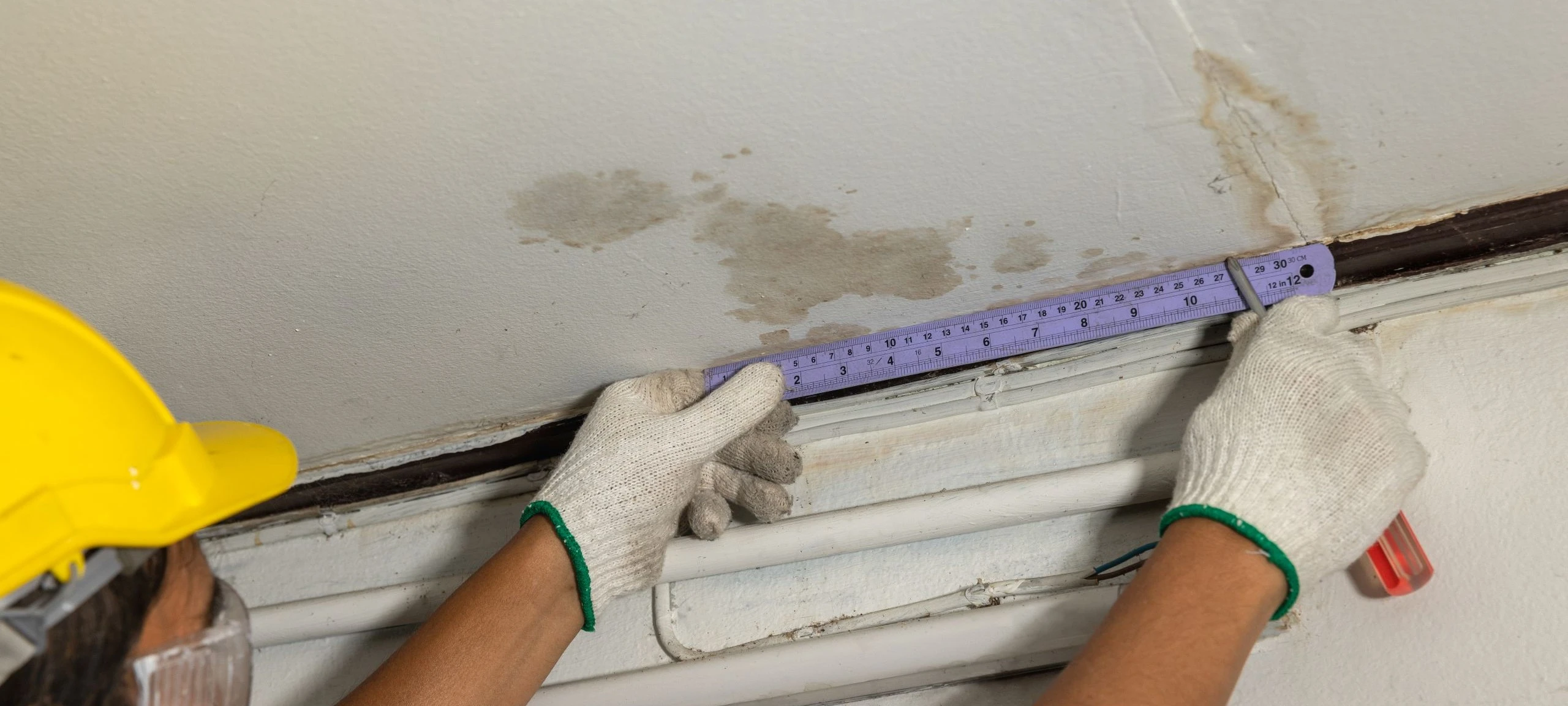
Mold concerns are common among homeowners in Satellite Beach and throughout Brevard County. Living near the ocean brings beautiful views and coastal breezes, but it also means constant exposure to humidity, storms, and moisture that can quietly lead to mold growth inside homes.
Many homeowners only think about mold after they see dark spots on walls or notice a musty smell. However, mold often begins growing long before it becomes visible. A professional mold inspection helps determine whether mold is present, where moisture is coming from, and what steps may be needed to prevent damage.
Understanding how mold inspections work and when they’re helpful can give homeowners peace of mind and protect their homes in Florida’s challenging climate.
Why Mold Inspections Matter in Satellite Beach Homes
Satellite Beach homes experience moisture exposure from several directions at once. Ocean humidity, heavy rainfall, storms, and year-round air conditioning all create conditions where moisture can accumulate inside homes.
Because mold spores are always present in the air, growth begins when moisture settles on materials such as drywall, wood, or insulation. Mold doesn’t require flooding to grow — long-term humidity or small hidden leaks are often enough.
Mold inspections help homeowners determine:
• Whether mold is present
• Where moisture is entering the home
• Whether contamination is limited or spreading
• What corrective steps may be needed
An inspection helps clarify whether a problem exists or whether concerns can be resolved with simple maintenance improvements.
Common Reasons Homeowners Request Mold Inspections
In Satellite Beach and nearby communities like Indian Harbour Beach, Melbourne, and Cocoa Beach, inspections are commonly requested for several reasons.
After Storms or Hurricanes
Even when homes avoid major damage, wind-driven rain may enter through small openings, allowing hidden moisture to develop.
After Plumbing or AC Leaks
Leaks behind walls or drain line backups sometimes go unnoticed until mold smells appear.
When Buying or Selling a Home
Buyers and sellers often request mold inspections to avoid surprises during real estate transactions.
When Musty Odors Appear
Persistent odors often signal hidden moisture or mold growth somewhere in the home.
When Mold Keeps Returning
Repeated cleaning without solving moisture issues usually means mold is growing somewhere unseen.
Inspections help homeowners understand what’s happening rather than guessing.
Why Mold Problems Are Common in Brevard County
Brevard County homes face unique environmental challenges compared to homes in drier regions.
Coastal Humidity
Ocean air keeps humidity levels high year-round, even when temperatures are comfortable.
Frequent Rainfall
Afternoon storms and seasonal rainfall saturate soil and increase moisture intrusion risks.
Year-Round AC Use
Air conditioners produce condensation, and drain or duct issues sometimes create hidden moisture.
Storm and Hurricane Exposure
Even minor storm damage can introduce water into homes.
Construction Styles
Slab foundations and attic ventilation challenges common in Florida homes sometimes trap moisture.
Because moisture is so common, mold inspections are frequently part of home maintenance in coastal communities.
Signs a Mold Inspection May Be Needed
Homeowners often notice warning signs before requesting an inspection.
Common indicators include:
• Musty or damp odors
• Visible mold spots
• Ceiling or wall staining
• Paint peeling or bubbling
• Warped baseboards or flooring
• Mold appearing near vents or windows
• Recurring mold after cleaning
• Increased indoor humidity
In many cases, visible mold is only part of the problem, with hidden moisture behind surfaces.
Areas Inspectors Commonly Examine
A professional inspection focuses on both visible and hidden moisture risks throughout the home.
Typical inspection areas include:
Bathrooms and Kitchens
Steam and plumbing leaks often create mold conditions.
Attics
Roof leaks and ventilation problems frequently allow mold growth overhead.
Crawl Spaces
Ground moisture and poor airflow often cause hidden mold.
HVAC Systems
Air conditioning systems sometimes spread moisture or mold spores.
Around Windows and Exterior Walls
Storm-driven rain or seal failures may allow moisture intrusion.
Cabinets and Plumbing Areas
Slow leaks under sinks or inside walls often go unnoticed.
These areas are carefully evaluated during inspections.
How Professional Mold Inspections Work
Professional inspections involve more than simply looking for mold.
A proper inspection typically includes:
Detailed Visual Examination
Inspectors check both visible areas and likely hidden moisture locations.
Moisture Meter Testing
Meters detect damp materials behind walls or ceilings.
Thermal Imaging
Infrared cameras may reveal moisture patterns invisible to the eye.
HVAC and Ventilation Assessment
Airflow and condensation sources are evaluated.
Air or Surface Sampling (When Necessary)
Testing sometimes helps confirm mold presence or compare indoor and outdoor air quality.
Companies like Brevard Mold Inspections & Removal regularly use these methods to help homeowners understand the extent of mold concerns.
Inspection findings help determine whether remediation is needed or if maintenance improvements will solve the issue.
Why DIY Inspections Often Miss Problems
Some homeowners try to investigate mold issues themselves but often lack tools needed to detect hidden moisture.
Common DIY limitations include:
• Only seeing surface mold
• Missing moisture behind walls
• Overlooking attic or crawl space conditions
• Not recognizing HVAC-related mold issues
• Treating mold symptoms rather than causes
Because mold often grows where it cannot be seen, professional tools are usually necessary to fully assess the situation.
What Happens If Mold Is Found
If mold is discovered, the next steps depend on how extensive the problem is and what caused it.
In some cases, solutions may include:
• Repairing small leaks
• Improving ventilation
• Reducing indoor humidity
• Cleaning limited contamination
More extensive contamination may require professional remediation involving containment, cleaning, and removal of damaged materials.
The goal is correcting moisture problems so mold does not return.
How Homeowners Can Reduce Mold Risk
While inspections help identify problems, prevention remains the best approach.
Homeowners across Satellite Beach, Palm Bay, Rockledge, and surrounding communities can reduce mold risk by:
• Maintaining air conditioning systems regularly
• Running exhaust fans during showers and cooking
• Fixing plumbing leaks promptly
• Checking roofs after storms
• Monitoring indoor humidity levels
• Cleaning AC drain lines
• Improving ventilation in closets and storage areas
• Scheduling inspections after water damage
Simple maintenance often prevents mold from developing.
Why Local Brevard County Experience Matters
Homes in coastal Florida experience moisture challenges different from homes in dry climates.
Local professionals understand:
• Coastal humidity impacts
• Hurricane moisture risks
• Florida attic ventilation challenges
• Slab foundation moisture behavior
• AC condensation issues common locally
Local experience allows inspectors to quickly identify common moisture sources.
Brevard Mold Inspections & Removal regularly works with homeowners throughout Satellite Beach and Brevard County dealing with moisture issues specific to Florida’s environment.
A Calm Next Step for Homeowners
Not every mold concern turns into a major problem, but early inspections help homeowners avoid surprises and prevent small moisture issues from spreading.
If you notice musty smells, recurring mold, or signs of moisture, scheduling a professional inspection can provide clarity and help protect your home.
Addressing moisture early keeps homes healthier and prevents larger repairs later — especially in Brevard County’s humid climate where mold grows quickly once moisture remains.