
Mold Inspection in Satellite Beach: What Homeowners in Brevard County Should Know
Living in Satellite Beach offers beautiful ocean views and coastal living, but homes along the barrier island also face constant exposure to humidity, storms, and salt air. Because of these conditions, mold concerns are common for homeowners throughout the area.
Many homeowners don’t realize mold may already be growing inside their home until they notice musty smells, stains on ceilings, or indoor humidity problems. Others schedule inspections after storms, water damage, or when buying or selling property.
A professional mold inspection helps homeowners understand what is happening inside the home and whether hidden moisture or mold is present. The goal isn’t to alarm homeowners — it’s to provide clear answers so problems can be addressed before they become larger repairs.
Across Satellite Beach and nearby communities like Cocoa Beach, Cape Canaveral, Melbourne, Palm Bay, Rockledge, Merritt Island, Titusville, and Viera, mold inspections are one of the most common services requested after storms or leaks.
What a Mold Inspection Actually Is
A mold inspection is a detailed evaluation of a home to determine whether mold growth or moisture problems are present and where they may be coming from.
Many homeowners assume inspections are only necessary when mold is visible, but mold frequently grows in hidden areas first.
Homeowners often schedule inspections after:
• Hurricane or storm damage
• Roof leaks or plumbing leaks
• AC system condensation issues
• Flooding or water intrusion
• Persistent musty odors
• Indoor humidity concerns
• Buying or selling a home
• Renovation or remodeling projects
A proper inspection helps answer important questions:
Is mold present?
Where is moisture entering?
How far has moisture spread?
And what steps may be needed next?
Why Mold Inspections Are Common in Satellite Beach Homes
Satellite Beach homes face environmental conditions that increase mold risks compared to inland areas.
Coastal Humidity
Ocean air keeps humidity elevated year-round, making homes slower to dry after leaks or storms.
Hurricanes and Tropical Storms
Wind-driven rain frequently enters homes during storms, sometimes without immediate detection.
Air Conditioning Dependence
AC systems control humidity, but clogged drain lines or maintenance issues can lead to hidden moisture problems.
Slab Foundation Construction
Many homes sit on slab foundations, trapping moisture beneath flooring after leaks.
Salt Air Exposure
Salt air gradually affects exterior materials, sometimes allowing moisture to penetrate structures.
Even newer homes can develop mold if moisture problems go unnoticed.
Signs That Often Lead Homeowners to Schedule an Inspection
Homeowners typically notice changes before mold becomes visible.
Common warning signs include:
• Persistent musty smells
• Dark stains on walls or ceilings
• Peeling paint or bubbling drywall
• Warped flooring or baseboards
• Damp closets or storage rooms
• Mold spots near vents or windows
• Rooms feeling humid or stale
Sometimes homeowners simply feel their home smells different after storms or repairs.
An inspection helps determine whether mold or hidden moisture is responsible.
Hidden Mold Problems in Florida Homes
Mold often grows in places homeowners don’t regularly see.
Behind Walls
Small plumbing leaks or storm intrusion soak insulation inside wall cavities.
Under Flooring
Appliance leaks or flooding often leave moisture trapped beneath flooring materials.
Attics
Roof leaks or ventilation problems allow mold growth above ceilings.
HVAC Systems
Moisture inside air handlers or ducts may circulate spores throughout homes.
Kitchens and Bathrooms
Leaks under sinks or behind cabinets often remain unnoticed.
Professional inspections frequently reveal mold extending far beyond visible areas.
Why DIY Mold Checks Often Miss the Problem
Homeowners sometimes attempt to inspect mold themselves, but hidden moisture is difficult to detect without specialized equipment.
Common DIY mistakes include:
• Cleaning visible mold without fixing moisture sources
• Painting over water stains
• Assuming odors will disappear naturally
• Using bleach on porous materials
• Running fans that spread spores
Without moisture detection tools, walls and floors may remain damp even if surfaces appear dry.
Mold often returns when moisture remains.
What Happens During a Professional Mold Inspection
A professional mold inspection follows a careful process to locate visible and hidden problems.
Visual Assessment
Inspectors examine attics, walls, ceilings, closets, HVAC systems, and flooring transitions.
Moisture Detection
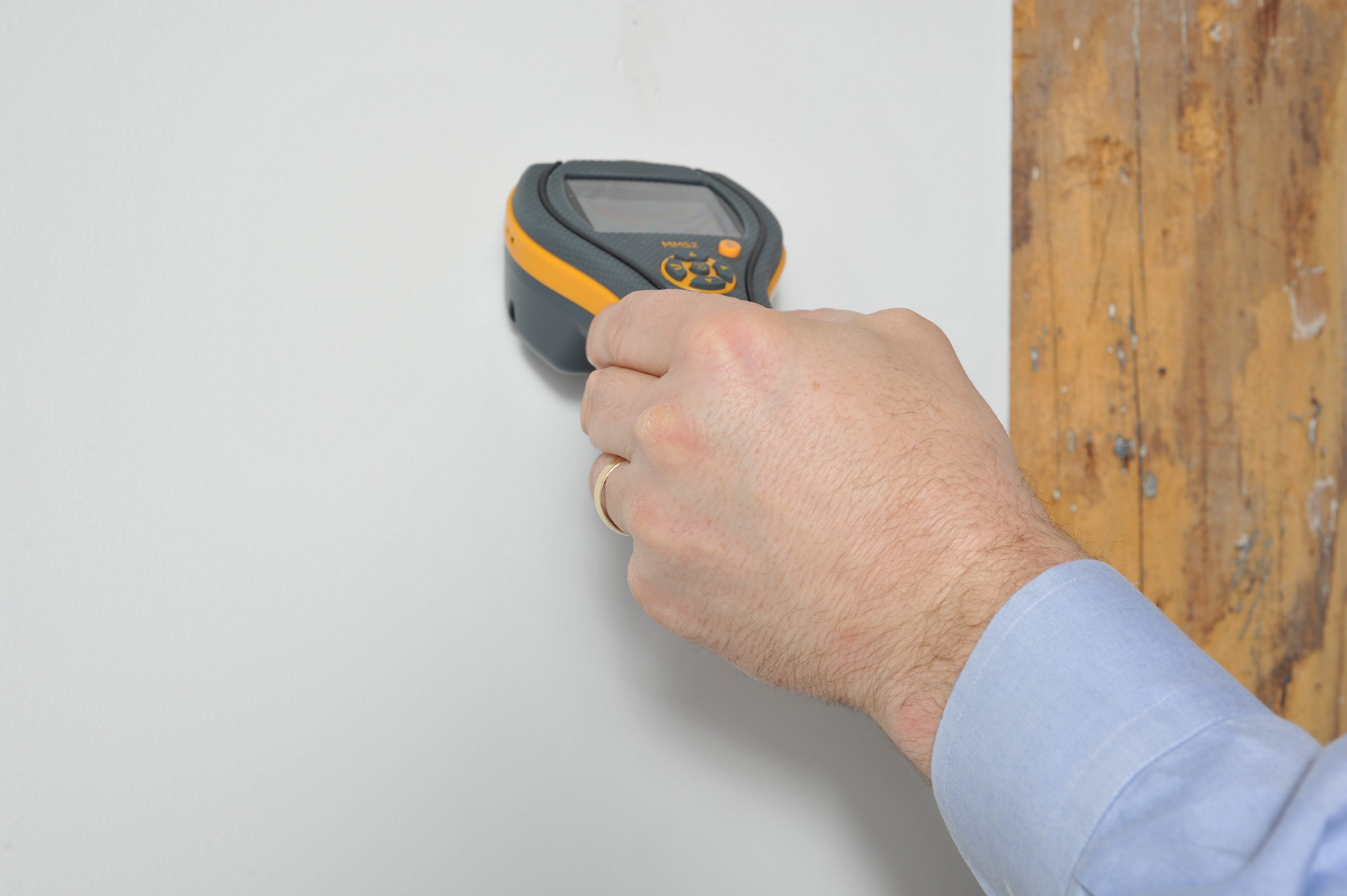
Specialized equipment identifies moisture inside walls or floors without removing materials.
Ventilation and Humidity Evaluation
Inspectors evaluate airflow and moisture control conditions.
Air or Surface Sampling (If Needed)
Samples may be collected to compare indoor mold levels with outdoor conditions.
Laboratory Analysis
Testing helps determine whether mold levels indoors are elevated.
The goal is to provide homeowners with clear, understandable information.
What Happens If Mold Is Found
Finding mold does not automatically mean major demolition is required. Solutions depend on the size and cause of the problem.
Professional remediation may involve:
• Containment of affected areas
• Removal of contaminated materials
• Cleaning structural components
• Air filtration during cleanup
• Correction of moisture sources
• Preventative steps to avoid recurrence
Homes across Satellite Beach often require only targeted repairs when issues are discovered early.
Preventing Mold Problems After Inspection
An inspection often reveals ways homeowners can reduce future mold risks.
Helpful prevention steps include:
• Maintain AC systems regularly
• Clean condensate drain lines
• Inspect roofs after storms
• Repair plumbing leaks immediately
• Use dehumidifiers during humid months
• Ensure bathrooms and kitchens vent properly
• Check under sinks and appliances regularly
• Inspect attics annually
• Keep indoor humidity below 60%
Preventative maintenance helps keep homes dry and comfortable.
Why Local Experience Matters in Mold Inspection
Mold problems in Brevard County differ from those in drier climates. Local inspectors understand how Florida’s environment affects building materials.
Homes in Satellite Beach, Cocoa Beach, Cape Canaveral, Melbourne, Palm Bay, Rockledge, Merritt Island, Titusville, and surrounding communities commonly face:
• Coastal humidity exposure
• Hurricane intrusion risks
• Slab foundation moisture retention
• Attic heat and condensation issues
• AC condensation problems
Local experience helps professionals identify mold risks quickly and recommend practical solutions.
Brevard Mold Inspections & Removal works throughout Brevard County helping homeowners uncover hidden moisture problems before major repairs become necessary.
A Calm Next Step for Satellite Beach Homeowners
If you notice musty odors, past leaks, or humidity concerns — or simply want reassurance your home is dry — scheduling a professional mold inspection can provide peace of mind.
Most mold concerns remain manageable when caught early. Professional evaluation helps homeowners understand what is happening inside their home and what steps, if any, should follow.
Addressing moisture early helps keep homes healthier and easier to maintain in Brevard County’s humid coastal climate.