
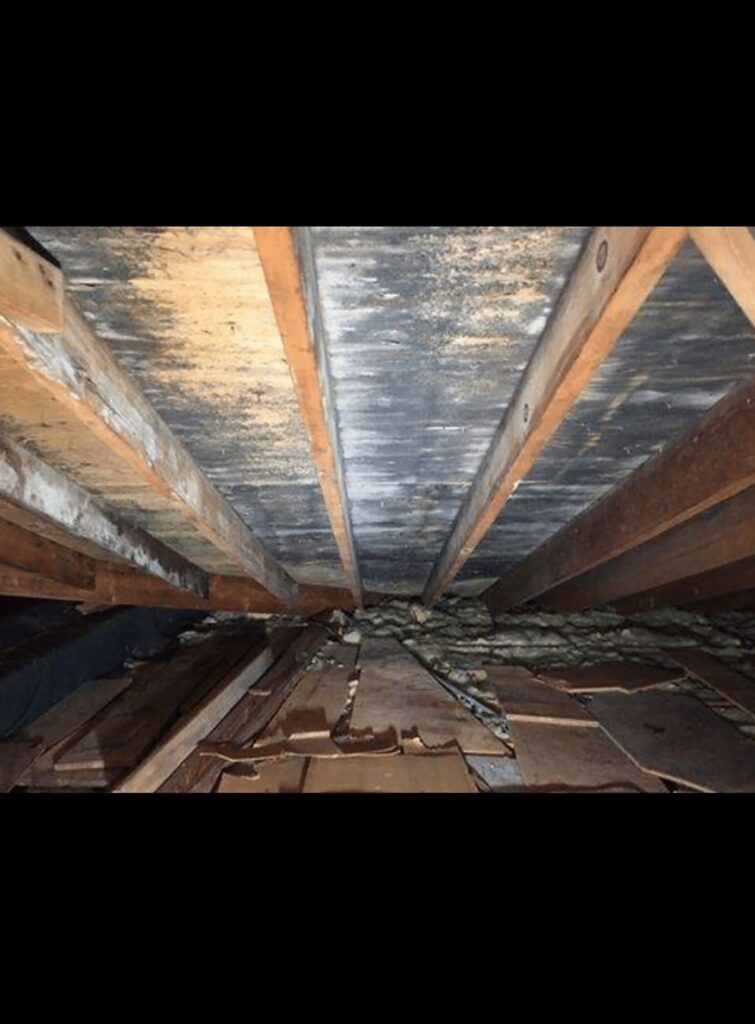
Mold Inspection in Satellite Beach: What Homeowners in Brevard County Should KnowLiving in Satellite Beach means ocean breezes, salt air, and beautiful coastal views — but it also means dealing with one of Florida’s biggest hidden home issues: mold. Between high humidity, frequent storms, and constant AC use, mold problems are common along the Space Coast. What makes it tricky is that mold often grows out of sight, long before homeowners realize there’s a problem.That’s where a professional mold inspection becomes critical. A proper inspection doesn’t just look for visible mold — it finds moisture, hidden growth, and the conditions that allow mold to keep coming back.This guide explains why mold inspections matter in Satellite Beach, what inspectors actually look for, when homeowners should schedule one, and how inspections help prevent costly remediation down the road.⸻Why Mold Is So Common in Satellite Beach HomesSatellite Beach’s coastal environment creates nearly perfect mold conditions year-round.Key contributing factors include: • High humidity, often above 60% • Salt air accelerating corrosion and moisture retention • Wind-driven rain during storms and hurricanes • Condensation from constant air conditioning • Older homes mixed with newer, tightly sealed construction • Elevated groundwater levelsEven without flooding or obvious leaks, moisture can build up quietly inside walls, attics, and HVAC systems. Mold only needs 24–48 hours of moisture to start growing.⸻What a Mold Inspection Really Is (and Isn’t)A mold inspection is not just a quick look around with a flashlight. A thorough inspection focuses on moisture first — because no moisture means no mold.A professional mold inspection typically includes: • Visual inspection of interior and exterior areas • Moisture readings of walls, ceilings, and floors • Inspection of attics, crawl spaces, and closets • HVAC system and air handler evaluation • Identification of past or active water intrusion • Recommendations for correction and preventionAn inspection’s goal is to find the cause, not just the mold itself.⸻Common Areas Inspected in Satellite Beach HomesHVAC SystemsAir handlers, ductwork, drip pans, and supply vents are prime mold locations due to condensation. Mold here can spread spores throughout the entire home.AtticsWarm attic air meets cooler roof decking, especially in coastal homes with limited ventilation. Attic mold is extremely common and often completely hidden.BathroomsSteam, poor ventilation, and salt air exposure make bathrooms a frequent mold hotspot — including inside walls behind showers and tubs.ClosetsClosets on exterior walls trap humid air. Mold may grow on drywall, shelving, shoes, and clothing without obvious visual signs at first.Windows and Sliding DoorsSalt air, condensation, and failing seals allow moisture intrusion around frames, leading to hidden mold growth.Under Cabinets and VanitiesSlow plumbing leaks are one of the most overlooked mold sources in Satellite Beach homes.⸻Signs You May Need a Mold InspectionMany homeowners wait until mold is visible — but by then, it’s often widespread. A mold inspection is recommended if you notice: • Musty or earthy odors • Allergy or asthma symptoms indoors • Condensation that doesn’t dry up • Bubbling paint or peeling drywall • Warped baseboards or flooring • Mold smells when the AC runs • A history of leaks or storm damage • Buying or selling a home near the coastIf something feels “off” in your home, a mold inspection can provide clarity.⸻Mold Inspections After Storms and HurricanesSatellite Beach homes are especially vulnerable after tropical storms and hurricanes.Even if there’s no visible flooding: • Wind-driven rain may enter walls • Roof damage may allow water into attics • Power outages raise indoor humidity • AC systems may collect excess condensationPost-storm mold inspections help detect hidden moisture before mold spreads, often saving homeowners thousands in future repairs.⸻Mold Testing vs. Mold Inspection: What’s the Difference?These terms are often confused, but they serve different purposes.Mold Inspection • Focuses on finding moisture and mold conditions • Identifies visible and hidden problem areas • Determines the cause of mold growth • Guides remediation and preventionMold Testing • Collects air or surface samples • Identifies mold types and spore levels • Useful for documentation or legal purposesTesting does not fix mold problems and isn’t always necessary. In many cases, a thorough inspection alone is enough to move forward.⸻Can You Inspect for Mold Yourself?Homeowners can spot obvious issues, but DIY inspections have limits.You can: • Look for visible mold or stains • Smell for musty odors • Check under sinks and around windows • Monitor indoor humidityWhat you can’t easily do: • Measure moisture inside walls • Detect hidden attic or HVAC mold • Identify condensation patterns • Determine why mold keeps returningProfessional inspections use specialized tools and experience to detect problems early.⸻Why Mold Inspections Matter for Newer Homes TooMany Satellite Beach homeowners assume newer construction means mold-free living. Unfortunately, that’s not always true.Newer homes may experience: • Trapped humidity due to tight sealing • Improper AC sizing causing short-cycling • Poor attic ventilation • Condensation inside wall cavities • Moisture issues during constructionMold inspections are just as important for newer homes as older ones — sometimes even more so.⸻Health Concerns Linked to Undetected MoldNot all mold is “toxic,” but all indoor mold can affect health.Common symptoms include: • Sneezing and congestion • Coughing or throat irritation • Headaches and fatigue • Eye irritation • Skin rashes • Asthma flare-upsChildren, elderly adults, pets, and people with respiratory conditions are more vulnerable to long-term exposure.⸻What Happens After a Mold Inspection?After the inspection, homeowners typically receive: • A summary of findings • Identified moisture sources • Areas of concern • Recommendations for remediation • Prevention strategies to avoid recurrenceA good inspection helps homeowners make informed decisions, not pressure them into unnecessary work.⸻Insurance and Mold InspectionsInsurance coverage depends on the cause of mold.✔ Mold may be covered if caused by a sudden, documented event✖ Mold is usually excluded if caused by long-term humidity or maintenance issuesAn inspection can provide documentation that supports insurance claims when applicable.⸻Preventing Mold in Satellite Beach HomesWhile inspections are essential, prevention is just as important.Control Humidity • Keep indoor humidity between 45–55% • Use dehumidifiers in problem areas • Monitor humidity with digital metersMaintain HVAC Systems • Change filters regularly • Clean drain lines • Insulate ductwork • Schedule routine inspectionsImprove Ventilation • Run bathroom exhaust fans • Avoid blocking vents • Allow airflow in closetsInspect Regularly • Check attics and under sinks • Watch for condensation • Address leaks immediately⸻Final Thoughts for Satellite Beach HomeownersMold inspections are one of the most valuable tools homeowners have in coastal Brevard County.Key takeaways: • Mold often grows hidden, not visible • Moisture detection is critical • Coastal conditions increase mold risk • Inspections catch problems early • Prevention saves money long-termIf you live in Satellite Beach and suspect mold — or just want peace of mind — a professional mold inspection can help protect your home, your investment, and your indoor air quality before small issues turn into major problems.