
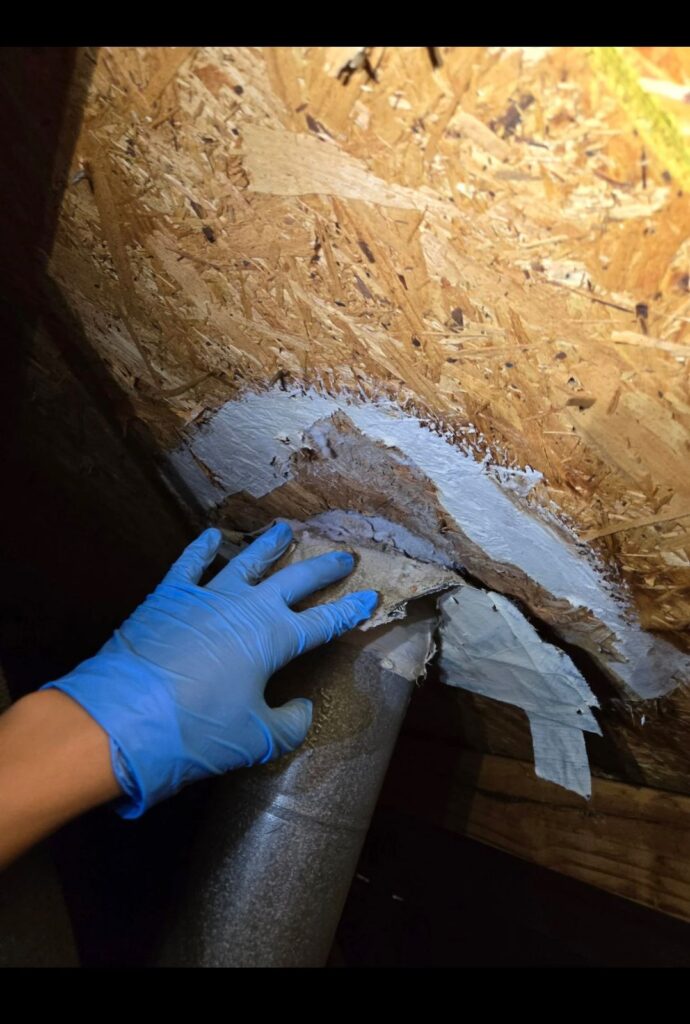
Mold Inspection in Satellite Beach: What Homeowners in Brevard County Should KnowMold inspections are an important first step for homeowners in Satellite Beach and throughout Brevard County, especially in a coastal environment where humidity, salt air, and storms create constant moisture pressure. Many homes develop mold without obvious warning signs, and by the time visible growth appears, the problem is often more extensive than expected.This guide explains what a mold inspection involves, when it’s needed, what inspectors look for, and how Satellite Beach homeowners can use inspections to protect their homes and indoor air quality.⸻Why Mold Inspections Are Especially Important in Satellite BeachSatellite Beach homes are exposed to unique coastal conditions.Common risk factors include: • High year-round humidity • Salt air accelerating wear on building materials • Wind-driven rain during storms • Roof and window seal failures • AC systems running most of the year • Condensation inside walls and HVAC systems • Power outages after storms increasing indoor moistureMold can begin growing within 24–48 hours after moisture exposure, often out of sight.⸻What a Mold Inspection Is (and Is Not)A mold inspection is a non-destructive evaluation designed to identify mold growth, moisture problems, and conditions that allow mold to thrive.A mold inspection: • Identifies visible and hidden mold • Locates moisture sources • Evaluates indoor humidity • Assesses HVAC-related mold risks • Helps guide next stepsA mold inspection does not: • Automatically include mold removal • Guarantee a mold-free home • Replace moisture correction • Fix the problem by itselfInspection provides clarity before action.⸻When Homeowners Should Schedule a Mold InspectionMold inspections are recommended when: • Musty or earthy odors are present • Mold keeps returning after cleaning • Health symptoms worsen indoors • Water damage or leaks occurred • Buying or selling a home • After hurricanes or heavy storms • AC or HVAC systems show signs of moisture • Hidden mold is suspectedEarly inspection often prevents widespread contamination.⸻What Inspectors Look for During a Mold InspectionVisual ExaminationInspectors check for: • Visible mold growth • Staining or discoloration • Peeling or bubbling paint • Warped drywall or baseboards • Signs of past or ongoing water damageMoisture DetectionMoisture meters and thermal tools help locate: • Damp drywall and insulation • Hidden plumbing leaks • Condensation inside walls • Roof or window intrusion • Wet flooring or subfloorsMoisture detection is often more important than visible mold.⸻HVAC and Airflow EvaluationHVAC systems are common mold pathways in coastal homes.Inspections often include: • Air handlers and drain pans • Evaporator coils • Condensate drain lines • Ductwork and insulation • AC closets with limited ventilation • Supply and return ventsHVAC-related mold can affect the entire home.⸻Mold Testing vs. Mold InspectionThese are not the same.Mold inspection: • Identifies mold and moisture issues • Determines likely causes • Guides remediation decisionsMold testing: • Measures spore levels • Identifies mold types • Provides documentationTesting may be helpful when: • Mold is suspected but not visible • Health complaints are involved • Documentation is needed for insurance or real estateVisible mold often does not require testing before remediation.⸻Common Places Mold Is Found in Satellite Beach HomesInspections frequently uncover mold in: • Bathrooms and shower areas • Under sinks and inside cabinets • Behind drywall near windows • Closets on exterior walls • Attics with roof or ventilation issues • Crawl spaces • Inside HVAC systems • Under flooring after water intrusionHidden mold is more common than visible growth.⸻What Happens After a Mold InspectionInspection findings guide next steps.Possible outcomes include: • Moisture source correction • Targeted mold remediation • HVAC system cleaning or repair • Dehumidification improvements • Preventive recommendationsInspection helps avoid unnecessary or incomplete work.⸻Mold Inspections for Real Estate TransactionsIn Satellite Beach’s real estate market, inspections are common.Buyers • Identify hidden mold before purchase • Avoid unexpected remediation costs • Protect long-term investmentSellers • Address issues before listing • Reduce closing delays • Provide documentation to buyersEarly inspections prevent surprises during escrow.⸻Insurance and Mold InspectionsProfessional inspections can support insurance claims by: • Documenting mold presence • Identifying the source of moisture • Establishing timelines • Providing written reportsInsurance decisions depend on the cause of moisture, not mold alone.⸻Why DIY Mold Checks Miss ProblemsHomeowners often miss hidden issues because: • Mold grows behind walls or floors • Moisture isn’t visible • Odors come and go • HVAC systems hide contaminationProfessional tools and experience are critical in coastal homes.⸻Preventing Mold After an InspectionInspection findings often highlight prevention opportunities.Effective strategies include: • Keeping indoor humidity between 30–50% • Fixing leaks promptly • Maintaining AC systems and drain lines • Improving ventilation • Sealing exterior openings • Monitoring humidity regularly • Inspecting after stormsPrevention protects inspection results long term.⸻Why Early Mold Inspection MattersDelaying inspection can lead to: • Widespread mold growth • Structural material damage • HVAC contamination • Higher remediation costs • Health complaints • Insurance disputesEarly detection limits damage and expense.⸻Final ThoughtsMold inspections are a valuable tool for homeowners in Satellite Beach and across Brevard County. Coastal humidity, storms, and hidden moisture pathways make mold easy to miss until it becomes a serious issue.A thorough inspection provides clarity, protects indoor air quality, and helps homeowners take the right steps before small moisture problems turn into costly mold damage.