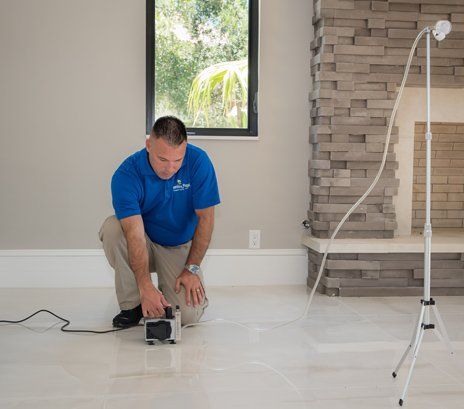
Mold Inspection in Satellite Beach: What Homeowners in Brevard County Should Know
Living in Satellite Beach means enjoying ocean views, steady coastal breezes, and a relaxed Florida lifestyle. But it also means living in one of the most moisture-exposed areas of Brevard County. High humidity, salt air, frequent storms, and year-round air conditioning create conditions where mold can develop quietly—often long before homeowners realize there’s an issue.
A mold inspection in Satellite Beach is not about assuming the worst. It’s about understanding what’s happening inside your home, especially when moisture is involved. Many mold problems here aren’t obvious, dramatic, or visible. They develop slowly, behind walls, under floors, or inside HVAC systems. A proper inspection provides clarity so homeowners can make informed, calm decisions instead of guessing.
Why Mold Inspections Are Common in Satellite Beach Homes
Satellite Beach homes face constant moisture pressure from the environment. Even homes that look clean, dry, and well maintained can develop mold if moisture enters and doesn’t dry properly.
Common local contributors include:
- Coastal humidity that stays high most of the year
- Wind-driven rain during storms and hurricanes
- Salt air that wears down seals, roofs, and windows
- Long AC run times creating condensation
- Homes kept closed and air-conditioned for comfort
Because moisture is persistent, mold inspections are often preventative rather than reactive.
What a Mold Inspection Actually Does
A mold inspection is a fact-finding process. Its purpose is to identify whether mold is present, where moisture exists, and what conditions may allow mold to grow. It is not automatically a recommendation for remediation.
In Satellite Beach homes, inspections help answer questions like:
- Is mold present now, or just moisture?
- Is mold visible or hidden?
- Where is moisture coming from?
- Is the issue isolated or widespread?
The goal is clarity—not alarm.
When Homeowners in Satellite Beach Should Consider a Mold Inspection
Not every situation requires a mold inspection, but certain conditions make one especially useful.
A mold inspection is commonly recommended when:
- Musty or damp odors persist
- A home has experienced storms or hurricanes
- Water damage occurred in the past
- Mold was previously cleaned but keeps returning
- AC systems produce persistent odors
- There are visible stains on walls or ceilings
- A home is being bought or sold
In coastal homes, inspections often uncover issues homeowners didn’t know existed.
Common Signs Mold May Be Present
Many Satellite Beach homeowners don’t see mold right away. Instead, they notice changes in the home that suggest moisture problems.
Common warning signs include:
- Earthy or musty smells
- Bubbling paint or peeling drywall
- Condensation near vents or windows
- Warped or soft flooring
- Increased indoor humidity
- Odors stronger when the AC runs
These signs don’t always mean mold is present, but they do indicate moisture that should be investigated.
Hidden Mold: A Major Concern in Coastal Homes
One of the main reasons mold inspections matter in Satellite Beach is hidden mold. Coastal moisture often finds its way into areas homeowners never see.
Inspectors frequently find mold:
- Inside wall cavities near exterior walls
- Beneath laminate or vinyl flooring
- In attics after roof leaks
- Around HVAC air handlers and ductwork
- Behind cabinets and vanities
Because mold doesn’t need light, these areas can support growth for long periods without visible clues.
How Professional Mold Inspections Are Performed
A professional mold inspection follows a structured, methodical approach designed to gather useful information.
The process typically includes:
Visual Assessment
The inspector looks for visible mold, staining, water damage, and construction features that trap moisture.
Moisture Detection
Moisture meters and thermal imaging tools help locate damp materials behind walls, ceilings, and floors.
HVAC and Ventilation Review
AC systems, air handlers, ductwork, and exhaust fans are checked for condensation, leaks, or airflow issues.
Attic and Structural Areas
Attics are inspected for roof leaks, condensation, insulation moisture, and ventilation problems.
Targeted Sampling (When Appropriate)
Air or surface samples may be collected to better understand conditions, especially when mold is suspected but not visible.
Everything is interpreted together—never in isolation.
Understanding Mold Testing During an Inspection
Mold testing is not always required. In many cases, visible mold and moisture issues already explain what’s happening.
When testing is used, it helps:
- Compare indoor and outdoor conditions
- Confirm whether mold is active
- Establish baselines before or after remediation
Test results are only meaningful when paired with inspection findings. Numbers alone don’t tell the story.
Why DIY Mold Inspections Often Miss the Problem
DIY mold test kits and visual checks are common, but they rarely provide reliable answers in Florida’s climate.
DIY approaches often fail because:
- Moisture sources are missed
- Hidden mold isn’t detected
- No interpretation is provided
- Outdoor humidity skews results
In Satellite Beach, professional tools and local experience make a significant difference.
Mold Inspection vs Mold Remediation
A mold inspection does not mean remediation is required. Inspections are about understanding conditions, not automatically removing mold.
In some cases:
- Moisture correction alone is enough
- Mold is minimal and isolated
- No active growth is found
Remediation is only recommended when inspection results confirm it’s necessary.
Brevard Mold Inspections & Removal approaches inspections with a homeowner-focused mindset—providing clear explanations without pressure or exaggeration.
Why Timing Matters for Mold Inspections
Timing can affect both findings and outcomes. After storms or water damage, inspections help determine whether moisture has fully dried or if mold is beginning to develop.
Delaying inspections can allow:
- Moisture to linger
- Mold to spread unseen
- Odors to worsen
- Damage to increase
Early inspections often prevent larger issues later.
Preventing Mold After an Inspection
Even if no mold is found, inspections often reveal moisture risks worth addressing.
Common recommendations may include:
- Improving ventilation
- Maintaining AC systems and drains
- Sealing exterior gaps
- Monitoring indoor humidity
- Inspecting attics after storms
Prevention is always easier and less disruptive than remediation.
Why Local Experience in Satellite Beach Matters
Mold inspections in Satellite Beach are different from inspections inland. Coastal humidity, salt air, and storm patterns affect how moisture behaves in homes.
Local professionals understand:
- Where moisture hides in beachside homes
- How wind-driven rain enters structures
- How AC systems behave in coastal humidity
- How slab foundations retain moisture
Brevard Mold Inspections & Removal brings that Satellite Beach–specific experience into every inspection, focusing on realistic, long-term solutions.
A Calm, Practical Next Step for Homeowners
A mold inspection doesn’t mean something is wrong—it means you want clear information. In Satellite Beach, where moisture is constant, inspections provide peace of mind and practical guidance.
If your home has musty odors, past water exposure, recurring mold, or unexplained moisture, a professional mold inspection can help you understand what’s really happening. Knowledge allows homeowners to act confidently, protect their homes, and avoid unnecessary worry in Brevard County’s coastal environment.