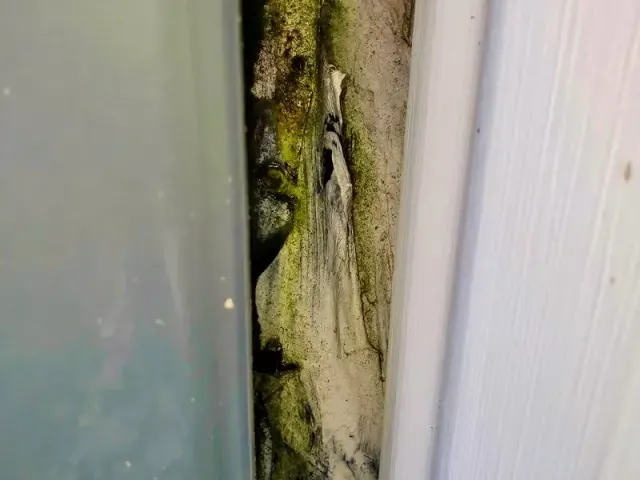
Mold Inspection in Satellite Beach: What Homeowners in Brevard County Should Know
In Satellite Beach, mold inspections are often requested after homeowners notice a musty smell, recurring mold spots, or lingering moisture following storms. Because this is a coastal community, mold concerns don’t always come from obvious leaks or flooding. More often, they develop quietly due to high humidity, salt air, wind-driven rain, and moisture that doesn’t dry as fast as expected.
A mold inspection isn’t about creating alarm. It’s about understanding how moisture is behaving in your home, where mold may be developing, and whether conditions exist that could lead to future problems. For Satellite Beach homeowners, a proper inspection provides clarity—especially when mold isn’t clearly visible.
Why Mold Inspections Are Common in Satellite Beach
Living along the coast means homes are under constant moisture pressure. Even well-built and well-maintained houses can develop mold issues when humidity and condensation are part of everyday life.
Local conditions that make inspections important include:
- Persistent coastal humidity
- Wind-driven rain during storms
- Salt air breaking down seals and flashing
- Long AC run times creating condensation
- Slab foundations common in the area
- Homes kept closed and air-conditioned most of the year
These factors allow mold to develop without obvious warning signs.
What a Mold Inspection Actually Does
A mold inspection is designed to evaluate conditions, not just visible mold.
During a proper inspection, the goal is to:
- Identify areas where moisture is present or likely
- Determine whether mold growth is visible or hidden
- Understand why moisture is not drying properly
- Assess whether remediation is needed or preventable
An inspection helps homeowners make informed decisions instead of guessing.
When Homeowners Should Consider a Mold Inspection
Many Satellite Beach homeowners wait until mold is visible—but inspections are often most useful before that point.
A mold inspection is especially helpful when:
- Musty odors persist
- Mold keeps returning after cleaning
- Water damage occurred in the past
- HVAC odors appear when the AC runs
- Humidity feels difficult to control
- A home is being bought or sold
Early inspections often prevent larger problems later.
How Mold Develops Without Obvious Water Damage
One of the most common misconceptions is that mold requires flooding or major leaks.
In coastal homes, mold often develops when:
- Humid air condenses on cooler surfaces
- Moisture enters wall cavities through small gaps
- Condensation forms around HVAC components
- Materials stay slightly damp for long periods
These conditions rarely leave obvious stains, which is why inspections are valuable.
Common Areas Evaluated During a Mold Inspection
Mold inspections focus on areas where moisture commonly hides in Satellite Beach homes.
High-risk areas include:
- Bathrooms and bathroom ceilings
- Behind drywall near plumbing
- Beneath laminate or vinyl flooring
- HVAC air handlers and ductwork
- Attics after storms
- Closets on exterior walls
Visible mold is often only part of the story.
Attics and Mold Inspections
Attics are a major focus during inspections in coastal homes.
Inspectors often look for:
- Moisture on roof decking
- Mold on rafters or trusses
- Signs of wind-driven rain intrusion
- Bathroom fans venting into the attic
- Damp insulation
Attic mold frequently develops after storms and may go unnoticed for months.
HVAC Systems and Mold Inspections
HVAC systems play a significant role in mold concerns.
During an inspection, HVAC components may be checked for:
- Standing water in drain pans
- Clogged condensate drain lines
- Damp evaporator coils
- Condensation around vents
Because HVAC systems circulate air, mold here can affect the entire home.
Slab Foundations and Hidden Moisture
Most Satellite Beach homes are built on slab foundations, which can trap moisture beneath floors.
Inspections often evaluate:
- Moisture migrating upward through slabs
- Mold under flooring materials
- Musty odors without visible growth
Slab-related moisture is a common reason mold problems recur.
What Mold Inspectors Look For Beyond Mold
A good inspection looks beyond mold itself and focuses on moisture behavior.
This includes:
- Measuring moisture levels in walls and floors
- Identifying condensation patterns
- Evaluating ventilation effectiveness
- Looking for past or ongoing water intrusion
Understanding moisture explains why mold developed—and how to stop it.
Mold Testing During an Inspection
Mold testing isn’t always required, but it may be recommended in certain situations.
Testing may be useful when:
- Mold is suspected but not visible
- Odors persist without a clear source
- HVAC involvement is suspected
- Confirmation is needed after remediation
Testing works best when guided by inspection findings, not used blindly.
Why DIY Mold Checks Often Miss the Problem
Homeowners often try to self-diagnose mold issues by looking for visible growth.
DIY checks fall short because:
- Mold is often hidden
- Moisture issues aren’t visible
- HVAC and attic areas are overlooked
- Conditions change with humidity and weather
A professional inspection provides a broader, more accurate picture.
What Happens After a Mold Inspection
Not every inspection leads to remediation.
Possible outcomes include:
- No mold found, but moisture risks identified
- Minor issues that can be addressed preventively
- Mold confirmed, requiring targeted remediation
- Recommendations for humidity or ventilation improvements
The goal is clarity—not unnecessary work.
Preventive Mold Inspections in Coastal Homes
Many Satellite Beach homeowners schedule inspections proactively.
Preventive inspections are helpful:
- After major storms
- Before buying or selling a home
- During extended vacancies
- When indoor air feels musty or humid
Prevention is always easier than remediation.
Why Local Experience Matters in Mold Inspections
Mold behaves differently in Florida than in dry climates. Satellite Beach homes face challenges tied to coastal moisture, salt air, storms, and long cooling seasons.
Local professionals understand:
- Where wind-driven rain enters coastal homes
- How humidity slows drying
- How slab foundations affect moisture
- How HVAC systems behave locally
Local knowledge leads to more accurate inspections.
Brevard Mold Inspections & Removal works with Satellite Beach homeowners to perform thorough mold inspections focused on moisture sources, building conditions, and practical solutions—not fear or guesswork.
How Inspections Help Prevent Repeat Mold Problems
Many mold problems recur because inspections weren’t done early enough.
A proper inspection:
- Identifies hidden moisture
- Explains why mold keeps returning
- Helps correct conditions permanently
This saves time, money, and frustration.
A Calm, Practical Takeaway for Homeowners
Mold inspections in Satellite Beach are about understanding moisture—not assuming the worst. Most mold issues develop slowly due to humidity and hidden moisture, not sudden damage or neglect.
If your home has musty odors, recurring mold, or moisture concerns you can’t explain, a professional inspection can provide clarity. Identifying moisture behavior early is the most effective way to protect your home, maintain comfort, and prevent mold problems in Brevard County’s coastal environment.