
Mold Prevention in Cocoa Beach: What Homeowners in Brevard County Should Know
Living in Cocoa Beach comes with ocean views, sea breezes, and a relaxed coastal lifestyle—but it also means dealing with moisture every single day. High humidity, salt air, frequent storms, and year-round air conditioning make mold prevention an ongoing responsibility for homeowners in this part of Brevard County.
The good news is that most mold problems in Cocoa Beach are preventable. Mold doesn’t usually appear overnight. It develops slowly when moisture is allowed to linger. Understanding where that moisture comes from, how it behaves in coastal homes, and what practical steps reduce risk can help homeowners avoid costly mold issues altogether.
Why Mold Prevention Is Especially Important in Cocoa Beach
Mold prevention matters everywhere in Florida, but coastal cities face extra challenges.
Brevard County already has high humidity most of the year. In Cocoa Beach, moisture levels are often even higher due to proximity to the ocean. Moist air constantly enters homes through doors, windows, attics, and duct systems. When that air cools indoors, moisture condenses on building materials.
Salt air accelerates wear on metal components, seals, and HVAC systems. Over time, this can lead to small leaks or condensation problems that aren’t immediately noticeable. Add in heavy rain, tropical storms, and hurricanes, and moisture exposure becomes a regular part of homeownership.
Because mold needs moisture more than anything else, prevention in Cocoa Beach is really about moisture control.
Understanding How Mold Develops in Coastal Homes
Mold spores are always present in the environment. They become a problem only when conditions allow them to grow indoors.
In Cocoa Beach homes, mold typically develops when:
- Indoor humidity stays elevated for long periods
- Condensation forms on cool surfaces
- Small leaks go unnoticed
- Ventilation is insufficient
Mold commonly grows on drywall, wood framing, insulation, flooring, and inside HVAC systems. Flooding is not required. In fact, many mold issues in Cocoa Beach develop without any obvious water event.
Prevention focuses on stopping moisture before it has time to settle into building materials.
Common Moisture Sources That Lead to Mold
Preventing mold starts with knowing where moisture usually comes from.
Bathrooms are a major source. Hot showers release large amounts of moisture into the air, and without proper ventilation, that moisture settles on ceilings and walls.
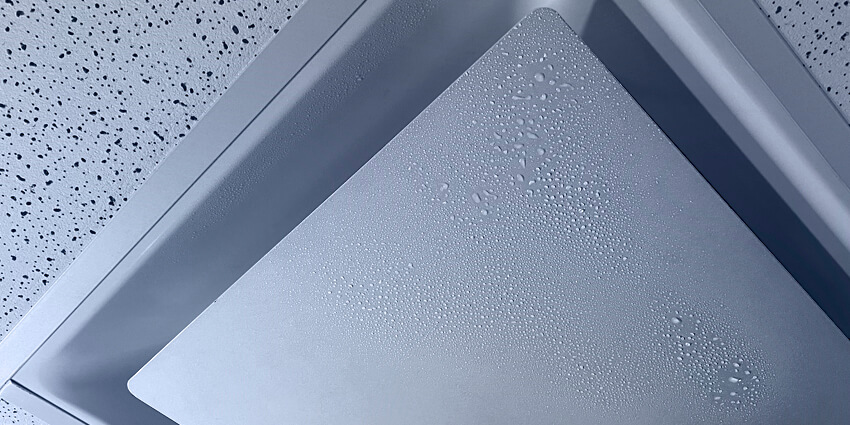
HVAC systems are another common contributor. Condensation forms naturally during cooling. If drain lines clog, drain pans crack, or duct insulation is damaged, moisture can accumulate inside walls or mechanical spaces.
Attics are often overlooked. Warm, humid air rising from the living space can condense on cooler roof decking, especially when ventilation is limited.
Slab foundations, common in Cocoa Beach homes, can trap moisture beneath flooring after leaks or spills, allowing mold to grow unseen.
Practical Mold Prevention Steps for Cocoa Beach Homes
Mold prevention does not require extreme measures. Consistency is what matters most.
Managing indoor humidity is one of the most effective steps. Air conditioning systems should be maintained regularly so they can remove moisture properly, not just cool the air.
Bathroom exhaust fans should be used during showers and left running afterward long enough to remove excess humidity. Fans should vent outdoors, not into attics or wall cavities.
After storms, homeowners should inspect ceilings, windows, and floors for signs of moisture intrusion. Catching small leaks early prevents long-term mold problems.
Keeping interior doors open when possible helps improve airflow and drying, especially in closets and spare rooms.
The Role of HVAC Systems in Mold Prevention
In Cocoa Beach, HVAC systems play a central role in mold prevention.
A properly functioning system helps control humidity throughout the home. When systems are oversized, poorly maintained, or have drainage issues, humidity control suffers.
Condensation drain lines should remain clear, and drain pans should be inspected periodically. Ductwork should be properly insulated to prevent condensation from forming inside walls or ceilings.
Regular HVAC maintenance helps identify small issues before they turn into moisture problems that support mold growth.
Attic and Roof Maintenance Matters More Than You Think
Attics are one of the most common hidden sources of mold in coastal homes.
Roof leaks, even very small ones, can introduce moisture that soaks into insulation and roof decking. Because attics aren’t living spaces, these problems often go unnoticed for long periods.
Proper attic ventilation helps remove heat and moisture before condensation forms. After heavy rain or storms, attics should be checked for wet insulation, staining, or musty odors.
Keeping roofs, flashing, and penetrations in good condition is one of the most effective mold prevention strategies in Cocoa Beach.
Why Cleaning Alone Doesn’t Prevent Mold
Many homeowners focus on cleaning as their main defense against mold.
While keeping surfaces clean is helpful, it doesn’t prevent mold if moisture is still present. Mold can grow behind walls, under flooring, or inside HVAC systems—areas that regular cleaning never reaches.
True mold prevention is about keeping materials dry, not just making them look clean.
Preventing Mold During Vacancies and Travel
Homes near the beach are often left vacant for short or extended periods, which increases mold risk.
When air conditioning is turned off or set too high, indoor humidity can rise quickly. Moisture builds up, especially in closed bathrooms and closets.
Keeping the AC running at appropriate settings while away helps control humidity. Periodic checks during long absences can catch issues early.
This is especially important in Cocoa Beach, where outdoor humidity remains high even when the home is unoccupied.
How Inspections Help With Mold Prevention
Mold inspections are not only for active problems—they’re also useful for prevention.
Moisture inspections can identify elevated humidity, hidden dampness, or ventilation issues before mold develops. This is particularly valuable after storms, plumbing repairs, or HVAC issues.
Professional inspections often catch small problems early, when they’re easier and less expensive to fix.
Local professionals such as Brevard Mold Inspections & Removal frequently help homeowners understand where moisture risks exist and how to reduce them proactively.
Preventing Mold After Storms and Heavy Rain
Storms are one of the biggest mold triggers in Cocoa Beach.
After heavy rain or hurricanes, homeowners should inspect:
- Attics and ceilings
- Windows and doors
- Flooring near exterior walls
- HVAC closets and air handlers
Any wet materials should be dried promptly. Even minor moisture left behind can lead to mold growth in Florida’s climate.
Quick drying and early repairs make a significant difference.
Why Local Experience Matters for Mold Prevention
Mold prevention strategies are not the same everywhere.
Cocoa Beach homes face unique challenges related to coastal humidity, salt air, slab foundations, and storm exposure. Local experience helps professionals understand how moisture behaves in these homes and where mold is most likely to develop.
What works in drier or inland climates doesn’t always apply here.
A Practical Takeaway for Cocoa Beach Homeowners
Mold prevention in Cocoa Beach is about awareness, not worry.
By managing humidity, maintaining HVAC systems, addressing leaks quickly, and inspecting the home after storms, homeowners can significantly reduce the risk of mold.
When questions arise, a professional evaluation can provide clarity and reassurance. With consistent moisture control and local expertise, Cocoa Beach homeowners can prevent mold problems before they start and protect their homes for the long term.