
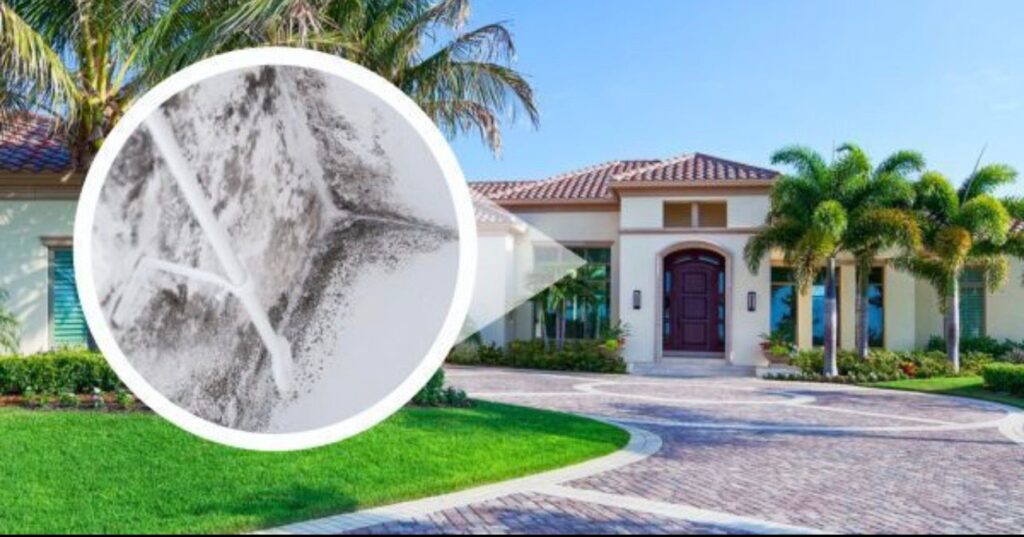
Mold Prevention in Cocoa Beach: What Homeowners in Brevard County Should KnowLiving in Cocoa Beach means ocean breezes, salty air, and beautiful coastal weather—but it also means constant moisture. That moisture is the #1 reason mold problems start in beachside homes. The good news? With the right habits and maintenance, mold prevention is absolutely achievable, even in a high-humidity coastal environment.Preventing mold is far easier (and cheaper) than removing it later. It all starts with controlling moisture before mold has a chance to grow.⸻Why Mold Prevention Is Critical in Cocoa Beach HomesCocoa Beach homes face mold risks that inland properties don’t.Key contributors include: • Year-round coastal humidity • Salt air that breaks down building materials • Frequent storms and wind-driven rain • High water tables • Constant AC use creating condensationEven homes without leaks can develop mold if humidity stays elevated.⸻Control Indoor Humidity at All TimesHumidity control is the foundation of mold prevention in Cocoa Beach.Best practices include: • Keep indoor humidity below 55% • Use dehumidifiers during humid months • Don’t turn AC systems off for long periods • Avoid opening windows on humid daysA simple hygrometer helps track humidity levels and catch problems early.⸻Maintain Your HVAC System ProperlyYour HVAC system plays a major role in moisture control—but only if it’s maintained.Prevention tips: • Change air filters regularly • Keep AC drain lines clear • Clean coils and drain pans • Watch for condensation around air handlers • Ensure ducts are properly sealedPoorly maintained AC systems are one of the most common mold triggers in coastal homes.⸻Improve Ventilation in High-Moisture AreasBathrooms, kitchens, and laundry rooms are prime mold zones.To reduce moisture buildup: • Run exhaust fans during and after showers • Use kitchen vents while cooking • Vent dryers to the outside • Avoid air-drying clothes indoorsGood airflow prevents moisture from settling into walls and ceilings.⸻Address Leaks and Water Intrusion ImmediatelyIn Cocoa Beach, even small leaks can quickly lead to mold.Areas to check regularly: • Roofs and flashing • Windows and sliding doors • Under sinks and behind toilets • Washing machine hookups • Water heatersQuick repairs stop moisture before mold has time to develop.⸻Protect Against Coastal Storm MoistureStorms don’t need to cause flooding to create mold problems.After storms: • Inspect ceilings and walls for staining • Check attics for roof leaks • Monitor indoor humidity closely • Dry damp areas within 24–48 hoursEarly action prevents hidden mold growth.⸻Be Careful With Closets and Storage AreasMold loves dark, stagnant spaces—especially near the coast.Prevention tips: • Avoid overstuffing closets • Keep items off floors and exterior walls • Allow airflow in storage areas • Watch for musty odorsClosets are one of the most common hidden mold locations in Cocoa Beach homes.⸻Schedule Preventive InspectionsPreventive inspections help catch moisture problems early.Inspections may identify: • Elevated humidity levels • Early mold growth • Ventilation issues • AC condensation problemsProactive inspections are especially valuable for coastal properties.⸻Final ThoughtsMold prevention in Cocoa Beach is all about moisture awareness and consistency. In a coastal climate, mold doesn’t need a major leak—high humidity alone can be enough.By controlling indoor humidity, maintaining HVAC systems, improving ventilation, and responding quickly to moisture, homeowners can significantly reduce mold risk and protect their home year-round.If you want, I can continue with more Cocoa Beach or Brevard County mold prevention, inspection, or remediation topics using this same structure and image style.