
Mold Prevention in Cocoa Beach: What Homeowners in Brevard County Should Know
Living in Cocoa Beach has plenty of advantages — ocean breezes, warm weather, and a relaxed coastal lifestyle. But homeowners here also deal with one constant challenge: moisture. And where moisture exists, mold can follow.
Across Brevard County, mold prevention is one of the most common concerns for homeowners, especially in beachside communities. High humidity, salty coastal air, heavy rain, and storm exposure make homes in Cocoa Beach more vulnerable to moisture issues than many inland areas.
The good news is that mold problems are largely preventable with the right knowledge and maintenance habits. Homeowners who understand how mold develops can take practical steps to protect their homes and avoid costly repairs later.
Here’s what homeowners in Cocoa Beach and throughout Brevard County should know about preventing mold growth.
Understanding Why Mold Prevention Matters
Mold naturally exists outdoors in Florida, but problems occur when it begins growing inside homes. Mold spores are always present in the air, and when they land on damp surfaces indoors, they can begin growing within a day or two.
In homes, mold feeds on common materials like:
• Drywall
• Wood framing
• Carpet and padding
• Insulation
• Dust and debris
• Fabric and furniture
When moisture lingers indoors, mold finds plenty of surfaces to grow on. Prevention focuses on eliminating that moisture before mold has a chance to take hold.
In Cocoa Beach homes, preventing mold often comes down to managing humidity, controlling water intrusion, and keeping air conditioning systems working properly.
Why Cocoa Beach Homes Face Higher Mold Risk
Homes in Cocoa Beach experience environmental conditions that naturally increase mold risk compared to inland communities.
Constant Coastal Humidity
Oceanfront and beachside communities experience higher humidity levels throughout the year. Even without leaks, indoor humidity can stay high enough to support mold growth.
Storms and Hurricane Exposure
Tropical storms and hurricanes regularly impact Brevard County. Wind-driven rain, roof damage, and flooding can introduce moisture into homes that goes unnoticed for weeks or months.
Salt Air Effects
Salt air accelerates wear on building materials, HVAC components, and exterior finishes, sometimes allowing moisture to penetrate more easily.
Air Conditioning Dependency
AC systems run nearly year-round in Cocoa Beach homes. When systems are not maintained, condensation issues can lead to moisture buildup inside walls or ducts.
Older Beachside Homes
Some beachside properties were built decades ago, often with ventilation and insulation standards different from modern construction, making them more susceptible to moisture problems.
Common Early Signs Moisture Is Becoming a Problem
Preventing mold starts with recognizing early warning signs of moisture issues.
Homeowners often notice:
• Persistent musty smells
• Condensation around vents or windows
• Peeling or bubbling paint
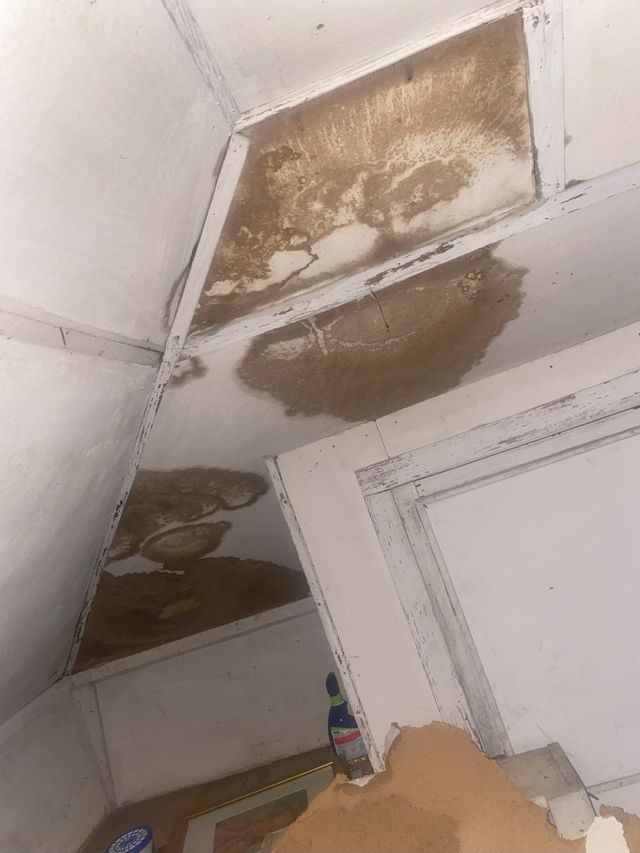
• Discoloration on ceilings or walls
• Warping flooring or baseboards
• Rooms that feel damp or humid
These signs don’t always mean mold is present, but they do indicate excess moisture, which should be corrected quickly.
Hidden Areas Where Mold Often Begins
Many mold issues begin in places homeowners rarely check.
In Cocoa Beach homes, mold frequently develops:
• Inside attic spaces with poor ventilation
• Around AC air handlers or ductwork
• Behind drywall after plumbing leaks
• Under flooring after water intrusion
• Inside closets on exterior walls
• Around windows exposed to wind-driven rain
• In bathrooms with weak ventilation
Homes in nearby communities like Satellite Beach, Cape Canaveral, and Merritt Island often show mold growth tied to unnoticed moisture accumulation in hidden spaces.
Regular inspections of these areas help catch problems early.
Why Quick DIY Fixes Often Miss the Real Problem
When homeowners notice mold or moisture stains, many attempt quick fixes without addressing underlying causes.
Common mistakes include:
Painting Over Stains
Covering stains without fixing moisture simply hides the problem temporarily.
Using Household Cleaners Alone
Surface cleaning doesn’t fix moisture trapped behind walls or under flooring.
Ignoring Small Leaks
Minor plumbing or roof leaks can cause major hidden damage over time.
Running AC Colder Instead of Dehumidifying
Lowering temperature doesn’t always reduce humidity, especially during humid seasons.
Prevention works best when moisture sources are corrected rather than masked.
How Professional Inspections Help Prevent Mold
Professional mold inspections don’t just respond to visible mold; they help identify conditions that could lead to mold growth.
An inspection often includes:
• Evaluating ventilation and airflow
• Checking moisture levels in walls and ceilings
• Inspecting attics and crawl spaces
• Examining HVAC systems for condensation problems
• Identifying past or current leaks
Companies like Brevard Mold Inspections & Removal often help homeowners detect risks before mold becomes widespread, saving money and preventing future disruption.
Smart Prevention Steps Cocoa Beach Homeowners Can Take
Homeowners can significantly reduce mold risks by adopting Florida-specific prevention habits.
Control Indoor Humidity
Keep indoor humidity below 55%. Dehumidifiers can help during humid months.
Maintain Your Air Conditioning System
Schedule annual AC maintenance and ensure drain lines stay clear to prevent condensation buildup.
Use Exhaust Fans Properly
Run bathroom and kitchen exhaust fans during and after use to remove moisture.
Check Roof and Windows After Storms
Wind-driven rain can enter unnoticed, so inspections after heavy storms are important.
Improve Attic Ventilation
Proper attic airflow reduces trapped heat and moisture, lowering mold risk.
Fix Leaks Immediately
Even small plumbing or roof leaks should be repaired promptly.
Ensure Proper Drainage
Keep gutters clean and make sure water flows away from your home’s foundation.
Monitor Coastal Properties Closely
Beachside homes face stronger moisture exposure and benefit from more frequent inspections.
The Advantage of Local Experience in Brevard County
Homes in Cocoa Beach face mold risks different from homes in cooler or drier climates. Local professionals understand how Florida’s environment interacts with local building styles.
They recognize:
• Coastal humidity patterns
• Storm-related moisture intrusion
• Slab foundation moisture movement
• Florida HVAC system challenges
• Beachside construction vulnerabilities
Local knowledge helps prevent mold issues before they become serious.
A Practical Next Step for Homeowners
Mold prevention doesn’t require constant worry. Instead, it comes from regular maintenance and paying attention to moisture warning signs.
If you’re unsure about moisture conditions in your Cocoa Beach home, a professional inspection can provide clarity and peace of mind. Many homeowners simply want confirmation that their home is dry and safe.
Brevard Mold Inspections & Removal works with homeowners throughout Cocoa Beach and across Brevard County to identify moisture concerns and prevent mold problems before they grow.
Staying proactive helps keep homes comfortable, healthy, and protected in Florida’s humid coastal climate.
When something doesn’t feel right — persistent damp smells, recurring moisture, or unexplained stains — having your home checked early is often the simplest solution.