
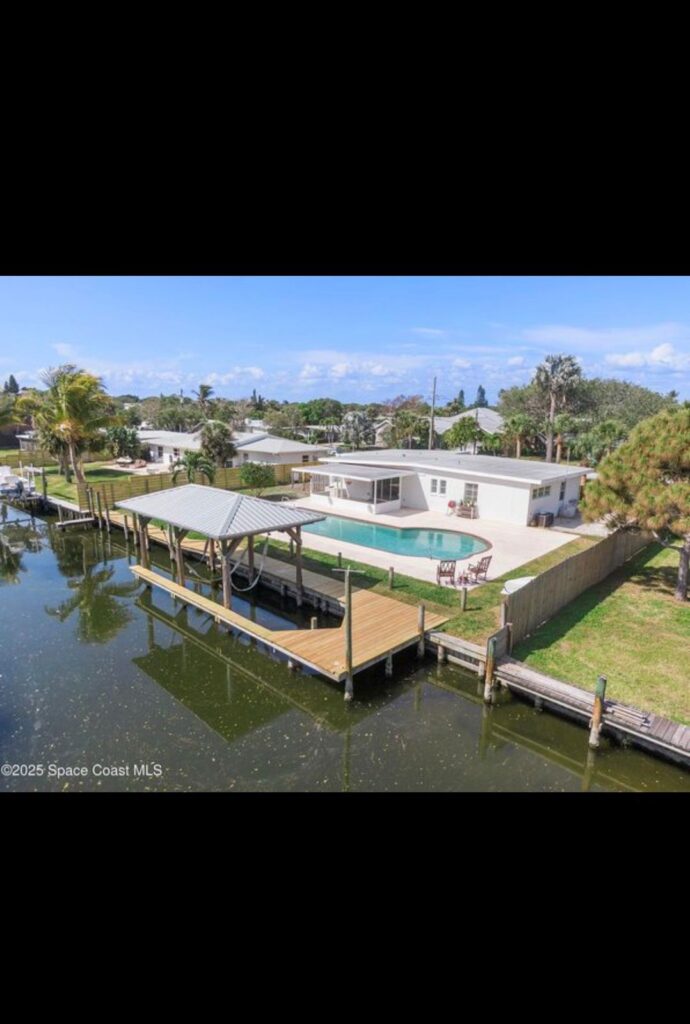
Mold Prevention in Cocoa Beach: What Homeowners in Brevard County Should KnowLiving in Cocoa Beach means ocean air, salty breezes, and beautiful views — but it also means one of the highest mold risks in Brevard County. Coastal humidity, wind-driven rain, and nonstop air-conditioning create the perfect environment for mold to grow quietly and quickly.The good news? Most mold problems are preventable when homeowners focus on moisture control and smart maintenance. This guide explains why mold is such a common issue in Cocoa Beach homes, where it starts, and the most effective ways to prevent it before it turns into a costly remediation project.⸻Why Cocoa Beach Homes Are Especially Vulnerable to MoldCocoa Beach’s location right along the Atlantic puts homes under constant moisture pressure.Key local factors include: • High humidity year-round (often 60%+) • Salt air that attracts and holds moisture • Wind-driven rain during storms and hurricanes • Frequent AC use causing condensation • Older beachside construction mixed with newer airtight homes • Elevated groundwater and slab foundationsMold doesn’t need flooding. Humidity and condensation alone are enough if moisture lingers for 24–48 hours.⸻The Golden Rule of Mold Prevention: Control MoistureEvery mold prevention strategy comes back to one thing: keeping moisture under control.If moisture is managed, mold struggles to survive — even in coastal environments like Cocoa Beach.⸻Ideal Indoor Humidity Levels for Cocoa Beach HomesOne of the most important prevention steps is monitoring indoor humidity. • Ideal indoor humidity: 45–55% • Mold risk increases rapidly above 60% • Many Cocoa Beach homes exceed safe levels without homeowners realizing itUse digital hygrometers in: • Living areas • Bedrooms • Closets • Near HVAC systemsIf humidity stays high, dehumidification becomes essential.⸻Dehumidifiers: A Coastal Home EssentialIn Cocoa Beach, dehumidifiers aren’t optional — they’re preventive tools.Best uses include: • Bedrooms and living spaces • Closets on exterior walls • Laundry rooms • Areas that feel damp or smell mustyWhole-home dehumidifiers or properly sized portable units can dramatically reduce mold risk when used consistently.⸻HVAC Maintenance Plays a Huge Role in Mold PreventionYour air-conditioning system is both a defense against humidity and a potential mold source if not maintained properly.Key HVAC Prevention Steps • Replace air filters regularly • Clean AC drain lines to prevent backups • Ensure drip pans drain correctly • Insulate ductwork in attics and garages • Schedule periodic HVAC inspectionsIf your AC short-cycles (turns on and off too quickly), it may cool air without removing enough moisture — a common mold trigger in coastal homes.⸻Ventilation: The Most Overlooked Mold Prevention ToolPoor airflow allows moisture to linger.Focus on These Areas:Bathrooms • Run exhaust fans during and after showers • Keep fans running 20–30 minutes post-showerKitchens • Use range hoods when cooking • Reduce steam buildupClosets • Avoid tightly packing items • Allow airflow • Use moisture-absorbing products if neededGeneral Airflow • Don’t block AC vents • Keep interior doors open when possible⸻Preventing Mold in Common Cocoa Beach Problem AreasWindows & Sliding Glass DoorsSalt air and humidity cause frequent condensation. • Wipe moisture regularly • Seal failing window frames • Repair worn weatherstrippingAtticsAttics often trap heat and moisture. • Ensure proper ventilation • Inspect roof decking for condensation • Address roof leaks immediatelyUnder Sinks & AppliancesSmall leaks create hidden mold fast. • Check regularly • Fix even slow drips • Dry cabinets thoroughly after repairsFlooringMoisture trapped under tile or laminate can go unnoticed. • Address water intrusion quickly • Avoid letting wet mats or rugs sit for long periods⸻Storm & Hurricane Mold PreventionAfter storms, even homes without flooding may have moisture issues.Post-Storm Prevention Steps • Dry the home as soon as power returns • Run AC and dehumidifiers continuously • Inspect attics, closets, and exterior walls • Look for musty odors in the weeks following stormsMold often appears weeks after storms, not immediately.⸻DIY Cleaning vs. True Mold PreventionCleaning visible mold doesn’t prevent future growth unless moisture is controlled.DIY Cleaning May Help If: • Mold is small (under 10 sq ft) • Mold is on non-porous surfaces • Moisture source is fully fixedPrevention Requires: • Ongoing humidity control • Ventilation improvements • Regular inspections • HVAC maintenanceWithout these, mold almost always returns.⸻Does Insurance Help With Mold Prevention?Insurance generally does not cover mold prevention — but prevention saves money by avoiding uncovered mold damage later.Most policies: • ❌ Exclude mold caused by long-term humidity • ✔ May cover mold tied to sudden, documented eventsPreventive maintenance is often far cheaper than remediation.⸻Warning Signs Prevention Isn’t WorkingIf you notice any of the following, moisture control may need improvement: • Musty or earthy odors • Condensation that doesn’t dry • Recurring surface mold • Allergy or asthma symptoms indoors • Mold smells when AC runsThese are early warnings — not problems to ignore.⸻Simple Mold Prevention Checklist for Cocoa Beach Homes • ✔ Keep humidity 45–55% • ✔ Use dehumidifiers consistently • ✔ Maintain HVAC systems • ✔ Vent bathrooms and kitchens • ✔ Inspect after storms • ✔ Fix leaks immediately • ✔ Improve airflow in closets • ✔ Monitor problem areas regularly⸻Final Thoughts for Cocoa Beach HomeownersMold prevention in Cocoa Beach isn’t about perfection — it’s about consistency.Key takeaways: • Coastal humidity makes mold prevention essential • Moisture control is more effective than cleaning • Small habits prevent big problems • Prevention protects health, property, and resale valueIn a coastal environment like Cocoa Beach, staying proactive with humidity and moisture control is the best defense against mold — and the easiest way to avoid expensive surprises down the road.