
Mold Prevention in Cocoa Beach: What Homeowners in Brevard County Should Know
Mold prevention is not optional for homeowners in Cocoa Beach and across Brevard County. Coastal humidity, salt air, frequent rain, and warm temperatures create near-perfect conditions for mold growth year-round. The difference between a mold-free home and an ongoing mold problem usually comes down to moisture control, ventilation, and early action.
This guide explains how mold develops in Cocoa Beach homes, where problems usually start, and what prevention steps actually work in a coastal Florida environment.
⸻
Why Mold Prevention Is Critical in Cocoa Beach
Cocoa Beach homes face unique challenges compared to inland areas.
Key risk factors include:
• Constant high humidity
• Salt air that accelerates material wear
• Frequent rainstorms and coastal wind-driven rain
• AC systems running most of the year
• Condensation buildup from temperature differences
• Older coastal construction with limited moisture barriers
Mold can begin growing within 24–48 hours when moisture is present. Prevention focuses on stopping moisture before mold ever has a chance to take hold.
⸻
How Mold Starts in Coastal Homes
Mold needs three things:
1. Moisture
2. Organic material (drywall, wood, insulation, dust)
3. Time
In Cocoa Beach homes, moisture sources often go unnoticed.
Common triggers include:
• Roof leaks after storms
• Wind-driven rain entering around windows and doors
• AC condensation leaks or clogged drain lines
• High indoor humidity from poor ventilation
• Damp attics and crawl spaces
• Condensation on walls, ceilings, and ductwork
• Moisture trapped behind furniture placed against exterior walls
Once moisture becomes consistent, mold growth is only a matter of time.
⸻
Areas Most Vulnerable to Mold Growth
Bathrooms
• Inadequate exhaust fans
• Moisture trapped on ceilings and behind walls
• Leaky plumbing fixtures
Kitchens and Laundry Rooms
• Appliance leaks
• Poor airflow
• Humidity buildup from daily use
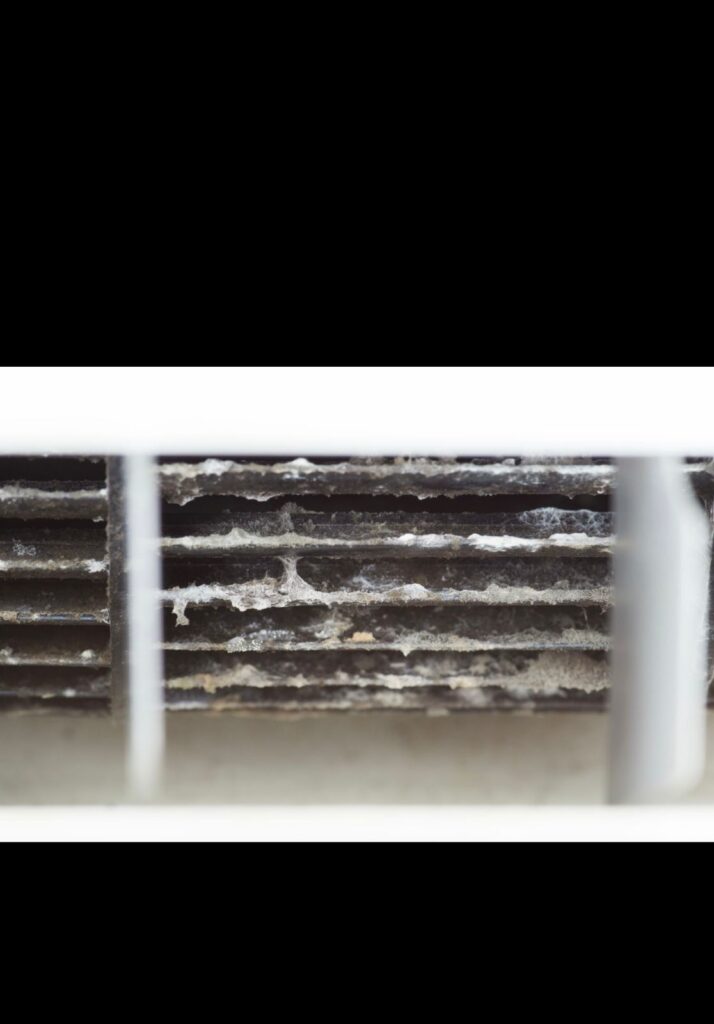
HVAC Systems
• Condensation on coils and drain pans
• Dirty ductwork
• Poor filtration
• Leaking air handlers
Attics
• Roof leaks
• Poor ventilation
• Moisture trapped in insulation
Closets and Storage Areas
• Limited airflow
• Exterior walls exposed to humidity
• Furniture blocking circulation
Windows and Sliding Glass Doors
• Failed seals
• Condensation
• Salt air corrosion allowing water intrusion
⸻
Indoor Humidity: The Number That Matters Most
Humidity control is the foundation of mold prevention.
Recommended indoor humidity:
• 30–50% ideal
• Above 60% = mold risk
In Cocoa Beach, outdoor humidity is often higher than indoor targets, which means homes must actively control moisture.
Effective humidity control methods:
• Properly sized air conditioning systems
• Whole-home or portable dehumidifiers
• Continuous bathroom and kitchen ventilation
• Sealing air leaks that allow humid outdoor air inside
Using a simple digital hygrometer allows homeowners to track humidity before mold develops.
⸻
Ventilation: The Most Overlooked Prevention Step
Poor ventilation traps moisture indoors.
Prevention best practices:
• Run bathroom exhaust fans during showers and for at least 20 minutes afterward
• Use kitchen range hoods when cooking
• Ensure dryer vents exhaust fully outdoors
• Avoid turning off AC systems for long periods during humid months
• Keep interior doors open to improve airflow
Attic ventilation is equally important. Poor attic airflow can trap heat and moisture, leading to condensation and mold growth above ceilings.
⸻
AC Systems and Mold Prevention
Air conditioning systems play a major role in mold prevention in Cocoa Beach homes.
Key AC-related risks:
• Oversized systems that cool too quickly without removing humidity
• Dirty evaporator coils
• Clogged drain lines
• Poorly sealed ductwork
• Infrequent filter changes
Prevention tips:
• Change AC filters regularly
• Schedule routine system maintenance
• Ensure drain lines remain clear
• Seal duct leaks
• Keep air handlers clean and dry
A properly functioning AC system removes moisture as well as heat.
⸻
Managing Moisture After Storms
Storms are a major mold trigger in coastal Brevard County.
After any storm:
• Inspect ceilings and walls for staining
• Check around windows and doors
• Look under sinks and behind appliances
• Monitor humidity levels
• Dry wet areas immediately
• Address leaks without delay
Water damage that appears minor can still feed hidden mold behind walls and flooring.
⸻
Exterior Prevention Measures
Mold prevention starts outside the home.
Important exterior steps:
• Maintain roof integrity
• Seal windows and doors properly
• Repair cracked stucco or siding
• Ensure gutters and downspouts direct water away from the foundation
• Keep landscaping from trapping moisture against exterior walls
Salt air accelerates wear, so coastal homes require more frequent inspections and maintenance.
⸻
Furniture Placement and Airflow
Interior layout affects mold risk.
Helpful practices:
• Avoid pushing furniture tightly against exterior walls
• Allow airflow behind couches, beds, and dressers
• Use moisture-resistant materials in coastal homes
• Avoid storing cardboard or fabric items in damp areas
Restricted airflow allows condensation to build up unnoticed.
⸻
Why DIY Mold Prevention Fails
Many homeowners unintentionally increase mold risk by:
• Using bleach on porous surfaces
• Ignoring humidity levels
• Running AC less to “save energy”
• Closing vents in unused rooms
• Covering mold stains without fixing moisture
• Assuming coastal smell equals normal humidity
Mold prevention works only when moisture sources are identified and controlled.
⸻
When Mold Prevention Is No Longer Enough
Prevention is no longer sufficient when:
• Mold odors persist
• Stains return after cleaning
• Humidity remains high despite efforts
• Health symptoms appear indoors
• Water damage was not properly dried
• Mold is visible on walls or ceilings
At that point, professional evaluation is often necessary to stop further spread.
⸻
Long-Term Benefits of Mold Prevention
Effective prevention provides:
• Healthier indoor air
• Fewer allergy and respiratory symptoms
• Lower repair costs
• Longer lifespan of building materials
• Better property value
• Reduced stress during storm season
Preventing mold is far less expensive than removing it after growth becomes established.
⸻
Final Thoughts
Mold prevention in Cocoa Beach is about staying ahead of moisture in a coastal environment that naturally encourages mold growth. Humidity control, ventilation, routine inspections, and quick response to water intrusion are the most effective tools homeowners have.
When prevention becomes part of regular home maintenance, mold becomes far less likely to take hold — protecting both the home and the people living in it across Brevard County.