Mold Prevention in Cocoa Beach: What Homeowners in Brevard County Should Know
Living in Cocoa Beach means ocean air, warm temperatures, and a laid-back coastal lifestyle—but it also means living in one of the most mold-friendly environments in Brevard County. High humidity, salt air, frequent storms, and year-round air conditioning create constant moisture pressure on homes. The good news is that most mold problems in Cocoa Beach are preventable when homeowners understand where moisture comes from and how to control it consistently.
Mold prevention isn’t about aggressive cleaning or fear-based tactics. It’s about managing moisture before mold has a chance to grow. When prevention is done correctly, homeowners can avoid recurring mold issues, protect building materials, and maintain a more comfortable indoor environment.
Why Mold Prevention Is Especially Important in Cocoa Beach
Cocoa Beach homes face challenges that inland homes don’t. Even on sunny days, humidity levels remain high, and salt-laden air slowly works its way into building materials.
Local conditions that increase mold risk include:
- Constant coastal humidity
- Wind-driven rain during storms
- Salt air degrading seals and caulking
- Long AC run times creating condensation
- Homes kept closed for comfort most of the year
Because moisture exposure is ongoing—not occasional—prevention must be proactive and consistent.
Understanding What Mold Needs to Grow
Mold requires only two things:
- Moisture
- A surface to grow on
Homes already provide plenty of surfaces—drywall, wood, insulation, dust. The real variable homeowners can control is moisture. When moisture is managed properly, mold struggles to gain a foothold, even in humid environments like Cocoa Beach.
The Most Common Moisture Sources in Cocoa Beach Homes
Effective mold prevention starts with understanding where moisture usually enters or builds up.
Common moisture sources include:
- AC condensate drain line issues
- Bathroom steam without proper ventilation
- Roof leaks after storms
- Wind-driven rain around windows and doors
- Condensation near vents and ductwork
- Moisture trapped beneath slab foundations
Many of these issues are subtle and easy to overlook—but they’re also the most common triggers for mold growth.
Why Air Conditioning Alone Isn’t Enough
Air conditioning plays a major role in mold prevention, but it doesn’t automatically control humidity if something isn’t working correctly.
Common AC-related issues that increase mold risk include:
- Clogged or slow condensate drain lines
- Dirty coils reducing moisture removal
- Short cycling that cools air without dehumidifying
- Poor airflow from duct issues
A home can feel cool while still being too humid—creating ideal conditions for mold.
Bathroom Mold Prevention in Coastal Homes
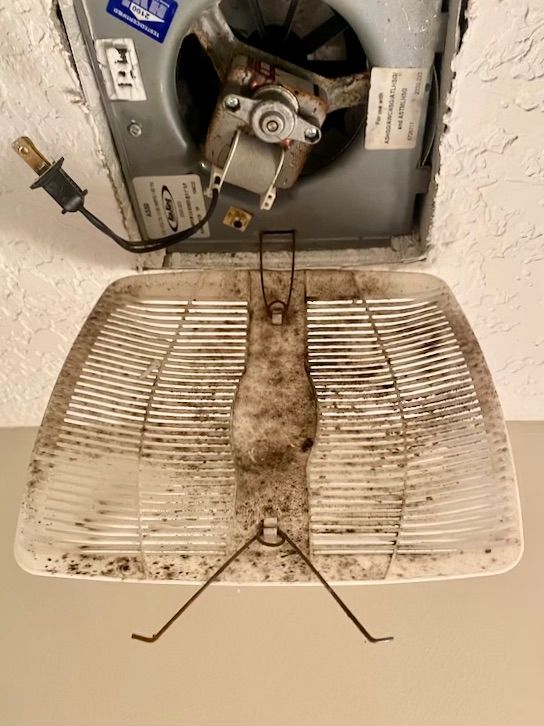
Bathrooms are one of the most common mold problem areas in Cocoa Beach homes due to frequent moisture and limited airflow.
Effective prevention includes:
- Using exhaust fans during and after showers
- Letting fans run at least 20–30 minutes post-shower
- Keeping fans clean and functioning properly
- Repairing cracked grout or failing caulk promptly
Without ventilation, steam settles into walls and ceilings, feeding mold growth over time.
Kitchen and Laundry Area Prevention
Kitchens and laundry rooms generate moisture that often goes unnoticed.
Prevention tips include:
- Using exhaust fans while cooking
- Checking under sinks for slow leaks
- Ensuring washing machine hoses and drains are secure
- Avoiding moisture buildup behind appliances
Small leaks in these areas are a common source of hidden mold.
Attic Mold Prevention in Cocoa Beach
Attics are frequently affected by mold in coastal homes due to heat, humidity, and ventilation challenges.
Key prevention steps include:
- Ensuring bathroom fans vent outdoors—not into attics
- Checking attics after storms for roof leaks
- Maintaining proper attic ventilation
- Sealing air leaks from living spaces
Attic mold often goes unnoticed until it becomes widespread, making prevention especially important.
Flooring and Slab Moisture Awareness
Most Cocoa Beach homes are built on slab foundations. After heavy rain, moisture can remain trapped beneath flooring materials.
To reduce risk:
- Address plumbing leaks immediately
- Watch for flooring that warps or feels soft
- Investigate persistent odors near floors
- Avoid trapping moisture under rugs or mats
Moisture under flooring is a common source of hidden mold.
Why DIY Mold Cleaning Isn’t Mold Prevention
Cleaning visible mold does not prevent mold from returning if moisture remains.
DIY cleaning often fails because:
- Moisture sources are untouched
- Mold roots remain in porous materials
- Hidden growth continues behind surfaces
True prevention focuses on drying and moisture control, not surface appearance.
The Role of Humidity Control
Humidity management is one of the most effective mold prevention tools in Cocoa Beach homes.
Helpful practices include:
- Monitoring indoor humidity levels
- Keeping indoor humidity as stable as possible
- Ensuring AC systems remove moisture effectively
- Avoiding prolonged indoor dampness
Homes that feel sticky or musty are often too humid—even if they’re cool.
Preventing Mold After Storms and Hurricanes
Storms introduce moisture in ways that aren’t always obvious.
After storms:
- Inspect ceilings, walls, and windows
- Check attics for roof leaks
- Restore AC operation as soon as possible
- Dry damp areas promptly
Mold often appears weeks after storms, not immediately.
How Professional Inspections Support Prevention
Preventive mold inspections help identify moisture risks before mold becomes visible.
An inspection may reveal:
- Early moisture intrusion
- Ventilation issues
- AC drainage problems
- Attic condensation
- Hidden water damage
Brevard Mold Inspections & Removal works with Cocoa Beach homeowners to identify prevention opportunities early—before mold becomes a recurring issue.
Consistency Matters More Than Extreme Measures
In Cocoa Beach, mold prevention is not about doing one big thing—it’s about doing small things consistently.
Effective prevention habits include:
- Regular AC maintenance
- Prompt leak repairs
- Routine attic checks
- Daily ventilation practices
- Paying attention to odors and moisture
These habits reduce mold risk far more effectively than occasional deep cleaning.
Why Local Coastal Experience Matters
Mold prevention strategies that work inland often fail in coastal environments. Cocoa Beach homes are affected by salt air, wind-driven rain, and constant humidity.
Local professionals understand:
- Where moisture hides in beachside homes
- How coastal weather affects drying
- How AC systems behave in humid air
- How slab foundations retain moisture
Brevard Mold Inspections & Removal brings that Cocoa Beach–specific knowledge into every inspection and prevention plan.
A Calm, Practical Takeaway for Homeowners
Mold prevention in Cocoa Beach is absolutely achievable—but it requires awareness, consistency, and moisture control. Most mold problems here don’t come from neglect. They come from moisture that quietly sticks around too long.
If your home feels damp, smells musty, or has a history of moisture issues, a professional evaluation can help identify prevention opportunities before mold takes hold. Staying ahead of moisture is the most effective way to protect your home, preserve indoor comfort, and enjoy coastal living in Brevard County without ongoing mold concerns.