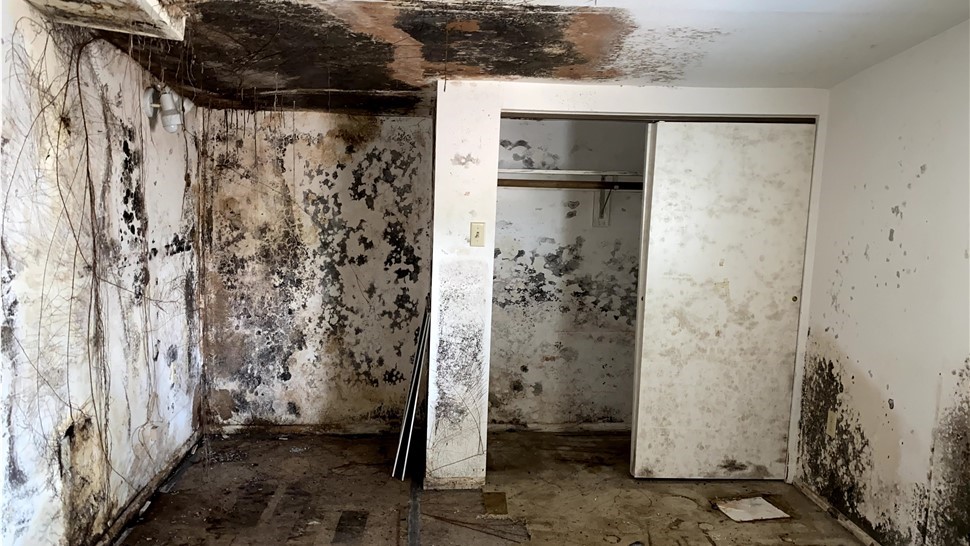
Mold Prevention in Cocoa Beach: What Homeowners in Brevard County Should Know
Living in Cocoa Beach means salty air, ocean breezes, and a relaxed coastal lifestyle—but it also means living with constant moisture pressure. High humidity, frequent storms, and long air-conditioning seasons make mold prevention an ongoing responsibility for homeowners. The good news is that most mold problems are preventable when moisture is managed consistently and early.
Mold prevention in Cocoa Beach isn’t about extreme measures or fear. It’s about understanding how coastal homes behave, where moisture tends to hide, and what practical steps actually work in Brevard County’s climate. When prevention is done right, it protects your home, improves indoor comfort, and reduces the need for costly cleanup later.
Why Mold Prevention Matters More in Cocoa Beach
Cocoa Beach sits directly on the Atlantic, where humidity rarely drops low enough for natural drying. Even on sunny days, moist air settles into homes, especially those kept closed and air-conditioned most of the year.
Local conditions that increase mold risk include:
- Year-round coastal humidity
- Salt air affecting seals, windows, and doors
- Wind-driven rain during storms
- Frequent tropical systems and hurricanes
- Slab foundations that trap moisture
- Long AC run times creating condensation
Because these conditions are constant, mold prevention must be proactive, not reactive.
Understanding Mold Prevention: It Starts With Moisture
Mold spores are always present in Florida’s air. Mold only becomes a problem when spores land on surfaces that stay damp long enough to support growth. That means effective prevention focuses on controlling moisture, not chasing mold after it appears.
In Cocoa Beach homes, moisture commonly comes from:
- Humid outdoor air entering the home
- Condensation from air-conditioning systems
- Bathroom and kitchen steam
- Small plumbing or roof leaks
- Storm-related water intrusion
Preventing mold means interrupting these moisture pathways before they cause problems.
Control Indoor Humidity Year-Round
Humidity control is the single most important factor in mold prevention for coastal homes.
Practical humidity-control steps include:
- Keeping AC systems properly maintained
- Ensuring condensate drain lines stay clear
- Using exhaust fans during showers and cooking
- Running exhaust fans long enough after moisture-producing activities
- Monitoring indoor humidity with a simple hygrometer
A home can feel cool but still be too humid. Comfort does not always equal dryness.
Pay Close Attention to HVAC Systems
HVAC systems play a major role in both preventing and spreading mold. In Cocoa Beach, AC systems often run for long periods and can become moisture sources themselves if not maintained.
Key HVAC prevention tips:
- Schedule regular system maintenance
- Clean or replace filters consistently
- Check for condensation around vents
- Ensure drain pans and drain lines are clear
- Insulate ductwork properly, especially in attics
Moisture inside HVAC components can circulate humidity and odors throughout the home.
Ventilation Is Critical in Coastal Homes
Ventilation removes moist air before it settles into building materials.
Important ventilation practices include:
- Using bathroom exhaust fans during and after showers
- Venting exhaust fans outdoors—not into attics
- Allowing airflow in closets and storage areas
- Avoiding blocking vents or return air paths
Poor ventilation allows humidity to linger, even when the AC is running.
Inspect After Storms—even if There’s No Flooding
Storms don’t need to cause visible damage to increase mold risk. Wind-driven rain can enter through very small openings, and elevated humidity can linger for days afterward.
After storms, homeowners should:
- Inspect ceilings and walls for discoloration
- Check around windows and doors
- Look inside attics for moisture or staining
- Monitor for musty odors in the following weeks
Mold related to storms often appears weeks later, not immediately.
Don’t Ignore Small Leaks or Condensation
Small moisture issues are the most common cause of mold in Cocoa Beach homes.
Common overlooked problems include:
- Slow plumbing leaks under sinks
- AC condensation near vents
- Moisture collecting under bathroom vanities
- Minor roof leaks after storms
- Window seal failures
Addressing these issues early prevents moisture from spreading into hidden areas.
Understand the Risk of Hidden Mold
Hidden mold is far more common than visible mold in coastal Florida. It often develops quietly behind surfaces where moisture is trapped.
High-risk hidden areas include:
- Behind drywall near plumbing lines
- Beneath laminate or vinyl flooring
- Inside attic insulation
- Around HVAC air handlers and ductwork
- Behind cabinets and built-ins
Preventing hidden mold means preventing moisture from entering these spaces in the first place.
Be Careful With DIY Mold Cleanup
DIY cleaning may remove surface staining, but it does not prevent mold if moisture remains.
DIY efforts can:
- Spread mold spores into the air
- Leave mold roots in porous materials
- Add moisture through improper cleaning
- Miss hidden growth entirely
Prevention is always more effective—and less disruptive—than repeated cleanup.
Maintain the Exterior of Your Home
In Cocoa Beach, exterior maintenance directly affects interior mold risk.
Helpful exterior prevention steps include:
- Sealing windows and doors properly
- Maintaining roof flashing and shingles
- Clearing gutters and downspouts
- Directing water away from the foundation
- Inspecting siding and exterior penetrations
Keeping water out is just as important as managing humidity inside.
Manage Moisture During Vacancies
Many Cocoa Beach homes are seasonal or vacation properties. Mold problems often develop when homes sit closed and unoccupied.
During vacancies:
- Keep AC running at a humidity-controlling setting
- Avoid turning systems completely off
- Ensure bathrooms and kitchens are dry
- Check the home periodically during humid months
Closed homes without airflow are especially vulnerable to mold.
Why Professional Inspections Support Prevention
Mold inspections aren’t only for active problems—they’re also useful for prevention.
A professional inspection can:
- Identify moisture patterns early
- Detect hidden damp areas
- Evaluate ventilation and airflow
- Catch small issues before mold develops
Brevard Mold Inspections & Removal works with Cocoa Beach homeowners to identify moisture risks early and provide practical prevention guidance—without fear or pressure.
Build Mold Prevention Into Routine Home Care
The most effective mold prevention strategy is consistency.
Helpful habits include:
- Regular AC servicing
- Prompt leak repairs
- Post-storm inspections
- Ongoing humidity monitoring
- Routine attic and bathroom checks
These steps become second nature over time and significantly reduce mold risk.
Why Local Cocoa Beach Experience Matters
Mold prevention advice from dry climates doesn’t translate well to coastal Florida. Cocoa Beach homes face unique challenges tied to salt air, storms, and constant humidity.
Local professionals understand:
- How coastal moisture enters homes
- How slab foundations retain dampness
- How HVAC systems behave near the ocean
- How storms affect drying timelines
Local experience leads to more effective prevention strategies.
A Calm, Practical Takeaway for Homeowners
Mold prevention in Cocoa Beach isn’t about perfection—it’s about awareness and consistency. Most mold problems begin with moisture that stayed too long, not dramatic events or neglect.
By managing humidity, maintaining HVAC systems, addressing small leaks early, and inspecting after storms, homeowners can significantly reduce mold risk. Prevention protects your home, preserves its value, and helps you enjoy coastal living in Brevard County with confidence and peace of mind.