Mold Prevention in Cocoa Beach: What Homeowners in Brevard County Should Know
Living in Cocoa Beach comes with ocean breezes, coastal views, and a relaxed lifestyle — but it also comes with constant moisture. High humidity, salt air, frequent storms, and year-round air-conditioning make mold prevention an ongoing responsibility for homeowners. In this environment, mold doesn’t require a major flood or obvious leak to become a problem. Small moisture issues, if ignored, are often enough.
The good news is that mold prevention in Cocoa Beach is very achievable with the right habits, awareness, and local knowledge. Understanding how moisture behaves in coastal homes is the key to keeping mold from taking hold in the first place.
Why Mold Prevention Matters in Cocoa Beach
Cocoa Beach homes face unique challenges compared to inland areas of Brevard County. Salt air holds moisture longer, slows evaporation, and increases condensation. Even when a home looks dry, moisture can still be trapped inside walls, floors, and ceilings.
Because mold grows quietly, prevention is far easier — and far less disruptive — than dealing with mold after it’s already established. Most serious mold problems in Cocoa Beach start as small, preventable moisture issues.
How Mold Develops Without Obvious Water Damage
Many homeowners believe mold only appears after flooding or major leaks. In reality, mold often develops from everyday humidity.
Moisture can build up through:
- Warm, humid outdoor air entering the home
- AC systems producing condensation
- Bathrooms and kitchens lacking proper ventilation
- Attics overheating and trapping moisture
- Slab foundations holding moisture beneath flooring
When materials like drywall, wood, insulation, and dust absorb moisture repeatedly, mold can begin growing even without visible water damage.
Areas Most Vulnerable to Mold in Cocoa Beach Homes
Certain parts of the home are naturally more prone to moisture buildup.
Common problem areas include:
- Bathrooms and laundry rooms
- Closets along exterior walls
- Under sinks and inside cabinets
- Attics with limited ventilation
- HVAC systems and ductwork
- Beneath flooring on slab foundations
In Cocoa Beach, mold often starts in hidden areas where airflow is limited and humidity remains high.
Everyday Prevention Habits That Make a Big Difference
Preventing mold doesn’t require drastic changes — consistency matters more than intensity.
Simple daily and weekly habits include:
- Running bathroom exhaust fans during and after showers
- Using kitchen ventilation when cooking
- Keeping interior doors open for airflow when possible
- Avoiding blocking air vents with furniture
- Wiping condensation from windows and vents
These small actions reduce moisture buildup before it becomes a problem.
Managing Indoor Humidity Properly
Humidity control is the foundation of mold prevention in coastal homes. Even clean, well-maintained homes can develop mold if humidity stays elevated.
Helpful humidity management steps include:
- Keeping indoor humidity in a controlled range
- Using dehumidifiers when necessary
- Ensuring AC systems are properly sized and maintained
- Keeping condensate drain lines clear
- Sealing air leaks that allow humid outdoor air inside
In Cocoa Beach, air-conditioning systems often do the heavy lifting for humidity control, so proper maintenance is critical.
Preventing Mold After Storms and Heavy Rain
Storms and hurricanes increase mold risk even when there’s no visible damage. Wind-driven rain can enter small gaps around roofs, windows, and vents.
After storms, homeowners should:
- Check ceilings and walls for staining
- Inspect attics for moisture or condensation
- Look for damp flooring or baseboards
- Run AC or dehumidifiers to assist drying
- Address even minor leaks promptly
Early action after storms can prevent long-term mold issues.
Why Attics and Crawl Spaces Deserve Attention
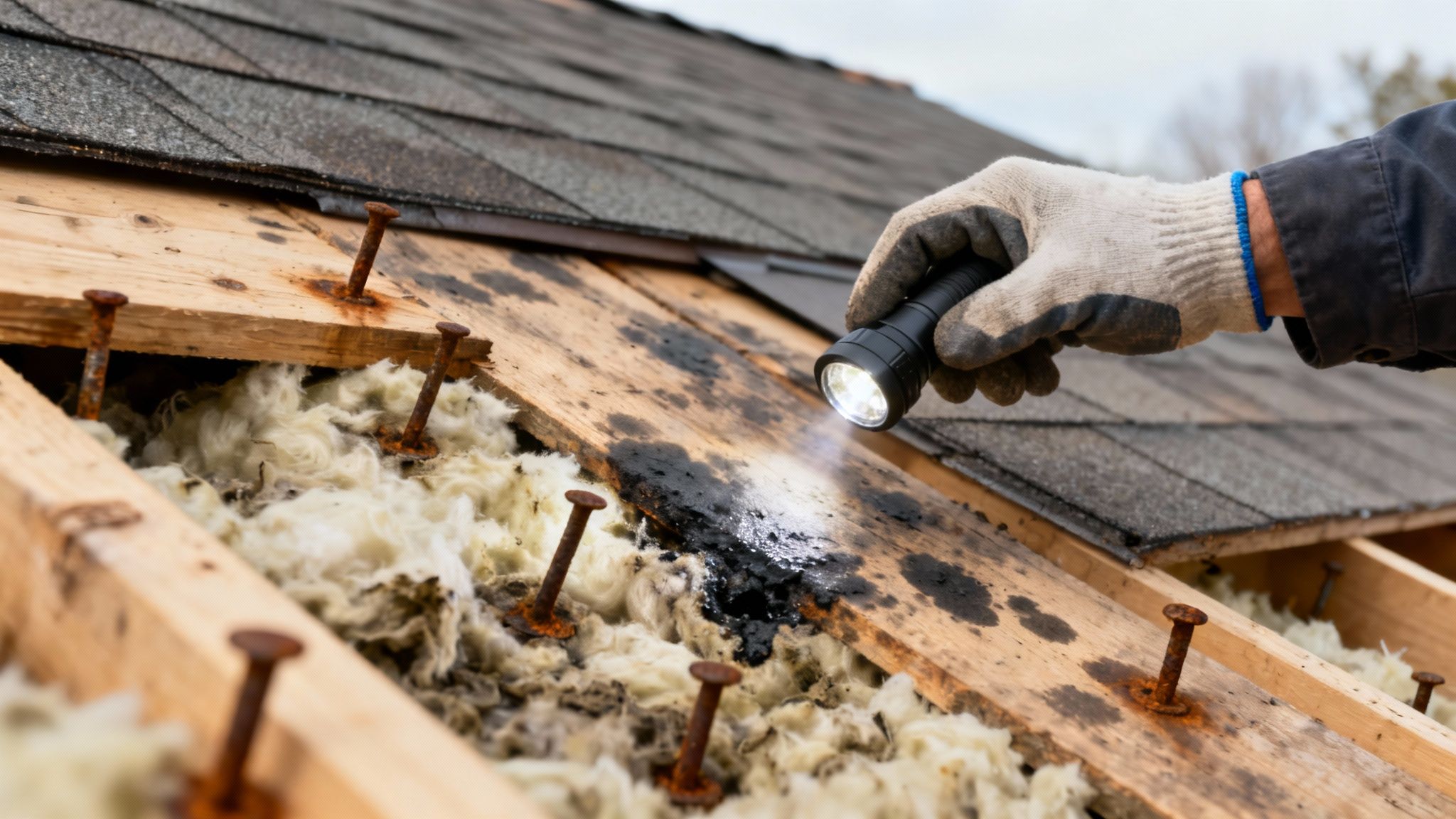
Attics and crawl spaces play a major role in whole-house moisture levels. When these areas stay damp, moisture can migrate into living spaces below.
Preventive steps include:
- Ensuring attic ventilation is balanced
- Making sure bathroom fans vent outdoors, not into the attic
- Checking insulation for dampness
- Inspecting crawl spaces or slab edges for moisture
- Keeping vapor barriers intact where applicable
Many Cocoa Beach homes discover mold first in these overlooked areas.
Why DIY Mold Cleaning Isn’t Prevention
Cleaning visible mold does not prevent future growth if moisture conditions remain. Bleach and household cleaners remove surface staining but do not fix humidity, leaks, or airflow issues.
True prevention focuses on:
- Moisture control
- Proper ventilation
- Early detection of leaks or condensation
Ignoring odors or repeatedly cleaning the same area usually means moisture is still present somewhere else.
How Professional Mold Inspections Support Prevention
A professional mold inspection isn’t only for existing mold problems — it’s also a preventive tool. Inspections help identify moisture patterns and risk areas before mold becomes visible.
A preventive inspection may include:
- Moisture readings inside walls and ceilings
- Inspection of attics, crawl spaces, and HVAC systems
- Identification of ventilation or drainage issues
- Guidance on humidity control and airflow
Homeowners in Cocoa Beach and throughout Brevard County often work with Brevard Mold Inspections & Removal for inspections focused on prevention, not fear.
Long-Term Mold Prevention Strategies for Coastal Homes
Because Cocoa Beach homes are exposed to constant moisture, prevention is an ongoing process rather than a one-time fix.
Long-term strategies include:
- Regular AC servicing and drain line maintenance
- Seasonal attic and ceiling checks
- Prompt repair of plumbing and roof leaks
- Monitoring indoor humidity year-round
- Scheduling inspections after water damage or storms
These steps reduce the chance of hidden moisture turning into hidden mold.
Why Local Brevard County Experience Matters
Mold prevention strategies that work in dry climates often fail in coastal Florida. Cocoa Beach homes face salt air, high humidity, storms, and slab construction that require local understanding.
Barrier-island homes behave differently than inland homes in Palm Bay or Viera. Local experience helps identify realistic prevention strategies that actually work in Brevard County’s climate.
A Calm, Practical Way to Stay Ahead of Mold
Mold prevention in Cocoa Beach isn’t about worry — it’s about awareness. Paying attention to moisture, acting early, and maintaining key systems can prevent most mold problems before they start.
If you’d like clarity on your home’s moisture conditions or want to be proactive, a professional inspection can help identify risks early and keep your home in good shape long-term.
Brevard Mold Inspections & Removal works with homeowners throughout Cocoa Beach and Brevard County to provide inspections, testing, and guidance focused on prevention, protection, and peace of mind.