Mold Prevention in Viera: What Homeowners in Brevard County Should Know
Viera is one of Brevard County’s newer, well-planned communities, known for modern homes, clean neighborhoods, and thoughtful construction. But even in newer homes, mold prevention is a real concern. Florida’s climate doesn’t discriminate based on age of a house. High humidity, heavy rainfall, and year-round air conditioning create conditions where mold can develop quietly if moisture isn’t managed properly.
Mold prevention in Viera isn’t about fear or constant worry—it’s about understanding how moisture behaves in Brevard County homes and taking practical, realistic steps to keep conditions under control. When homeowners focus on prevention, mold problems are far less likely to develop in the first place.
Why Mold Prevention Matters in Viera Homes
Many homeowners assume mold is mainly an issue in older houses. In reality, newer homes in Viera can be just as vulnerable, sometimes more so. Modern construction is often more energy-efficient and tightly sealed, which is great for comfort—but it can also trap moisture indoors if ventilation and drainage aren’t balanced correctly.
In Brevard County, homes remain closed and air-conditioned most of the year. That means any moisture that gets inside—from humidity, condensation, or small leaks—can linger. Mold prevention focuses on stopping moisture buildup before it creates the conditions mold needs to grow.
How Mold Starts in Florida Homes
Mold spores are always present in Florida’s outdoor air. They enter homes through doors, windows, and normal air exchange. Mold only becomes an issue when those spores find moisture and a surface to grow on.
In Viera homes, mold commonly begins on:
- Drywall and ceiling materials
- Wood framing or trim
- Carpet, padding, or subflooring
- Insulation in walls or attics
- Dust near vents or moisture sources
The key takeaway is simple: no moisture, no mold growth. Prevention is really moisture management.
Common Moisture Sources in Viera Homes
Understanding where moisture comes from is the foundation of mold prevention. In Viera, the most common sources are often subtle and easy to overlook.
Typical moisture contributors include:
- High indoor humidity during summer months
- AC condensation from air handlers and ductwork
- Bathroom and kitchen steam without proper ventilation
- Small roof leaks after heavy rain
- Plumbing leaks inside walls or under sinks
- Moisture trapped beneath slab foundations
Even minor issues, when left unaddressed, can slowly create mold-friendly conditions.
Why Viera’s Climate Requires Ongoing Prevention
Viera experiences the same environmental challenges as the rest of Brevard County: warm temperatures, frequent storms, and high humidity for much of the year. Afternoon rainstorms and tropical systems can introduce moisture even when there’s no visible damage.
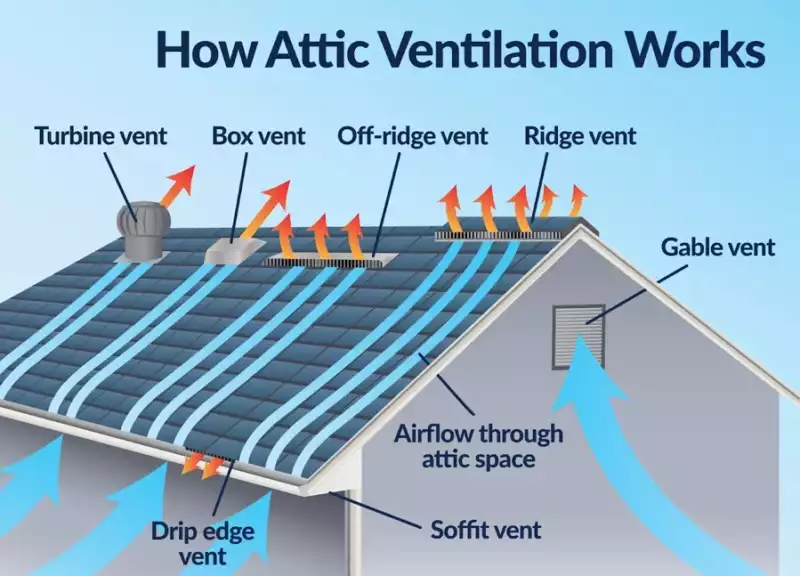
Attics experience extreme temperature differences, which can lead to condensation if ventilation isn’t balanced. Slab foundations can hold moisture beneath flooring, especially after heavy rain. AC systems run constantly, creating condensation that must drain properly.
Mold prevention in Viera is not a one-time task—it’s an ongoing awareness of how moisture moves through the home.
Early Warning Signs to Watch For
Preventing mold starts with noticing small changes before they become larger problems. Homeowners who catch moisture issues early often avoid mold altogether.
Warning signs include:
- Musty or damp odors, especially after rain
- Condensation around AC vents or windows
- Bubbling paint or peeling drywall
- Soft or warped flooring
- Water stains on ceilings or walls
These signs don’t mean mold is already widespread, but they do indicate moisture that should be addressed promptly.
Practical Mold Prevention Steps for Viera Homeowners
Effective mold prevention doesn’t require drastic measures. It relies on consistency and attention to moisture control.
Key prevention steps include:
Manage Indoor Humidity
Keeping indoor humidity balanced is one of the most important steps. AC systems should be properly sized and maintained so they remove humidity effectively, not just cool the air.
Maintain AC Systems
Condensate drain lines should be clear, and air handlers should be inspected regularly. AC closets and garages are common moisture problem areas if drainage isn’t functioning properly.
Use Ventilation Consistently
Bathroom and kitchen exhaust fans should be used during and after activities that produce moisture. This helps move humid air out of the home before it settles on surfaces.
Inspect After Heavy Rain
After strong storms or extended rain, it’s smart to check ceilings, attics, and window areas for early signs of leaks—even if nothing looks obvious from the outside.
Address Small Leaks Quickly
A slow drip under a sink or behind a wall can create mold-friendly conditions long before it causes visible damage. Early repairs prevent larger issues later.
Hidden Areas Where Moisture Builds Up
One of the challenges of mold prevention is that moisture often collects where homeowners don’t look regularly.
In Viera homes, moisture commonly hides:
- Inside wall cavities near plumbing
- Beneath laminate or vinyl flooring
- In attics near roof penetrations
- Around HVAC air handlers and ductwork
- Behind cabinets in kitchens and bathrooms
Preventive inspections—especially after storms—help catch these issues early.
Why DIY Mold Prevention Sometimes Fails
Many homeowners focus only on visible areas, cleaning surfaces while missing the underlying moisture problem. Prevention fails when moisture sources aren’t identified and corrected.
Common mistakes include:
- Relying on bleach or cleaners instead of fixing moisture
- Ignoring recurring condensation
- Overlooking attic or HVAC-related moisture
- Assuming newer homes can’t develop mold
True prevention means understanding the entire moisture picture, not just surface conditions.
The Role of Professional Inspections in Prevention
Professional mold inspections aren’t only for visible mold problems. They’re also valuable as preventive tools, especially in humid regions like Brevard County.
A professional inspection can:
- Identify hidden moisture issues
- Detect early mold growth before it spreads
- Evaluate ventilation and AC performance
- Provide clear guidance on prevention steps
Brevard Mold Inspections & Removal often helps Viera homeowners identify moisture risks early, allowing problems to be addressed before mold becomes established.
Preventing Mold Long-Term in Viera
Long-term mold prevention is about routine care and awareness, not constant worry. Homes that manage moisture consistently tend to remain mold-resistant even in Florida’s challenging climate.
Helpful long-term habits include:
- Scheduling regular AC maintenance
- Monitoring indoor humidity levels
- Keeping gutters and drainage clear
- Sealing gaps around windows and doors
- Checking attics periodically
These small efforts add up to a healthier, more stable indoor environment.
Why Local Brevard County Experience Matters
Mold prevention strategies that work in dry climates don’t always apply in Florida. Viera homes are affected by local weather patterns, construction styles, and humidity behavior unique to Brevard County.
Local professionals understand how moisture moves through slab foundations, attics, and HVAC systems in this region. Brevard Mold Inspections & Removal brings that local knowledge to every inspection and prevention plan, focusing on realistic, effective solutions for Viera homeowners.
A Calm, Practical Approach to Mold Prevention
Mold prevention in Viera doesn’t require fear or extreme measures. It requires understanding moisture, responding early to warning signs, and maintaining the systems that keep your home dry and balanced.
If you want peace of mind about your home’s moisture conditions, a professional inspection can help identify risks before they turn into problems. Prevention is always easier—and less disruptive—than remediation, especially in Brevard County’s humid environment.
Image Generation Prompts