

Mold Prevention in West Melbourne: What Homeowners in Brevard County Should Know
Mold problems in Brevard County don’t always start with a dramatic leak or a flooded room. In many West Melbourne homes, mold develops slowly from everyday moisture that never fully dries out. High humidity, heavy rain, and constant air conditioning create an environment where mold prevention matters just as much as mold removal.
West Melbourne sits slightly inland compared to coastal cities like Satellite Beach or Cape Canaveral, but homeowners here still deal with the same Florida moisture challenges. Preventing mold is about understanding how moisture behaves in your home and taking practical steps to keep conditions under control before mold ever has a chance to grow.
Why Mold Prevention Is Especially Important in West Melbourne
Mold prevention matters everywhere in Florida, but West Melbourne has a few factors that make proactive steps especially important.
High humidity is present most of the year. Even without storms, moisture in the air can build up indoors, particularly in tightly sealed homes that rely heavily on air conditioning.
Heavy rain and seasonal storms affect West Melbourne regularly. Water intrusion doesn’t always look dramatic. Small roof issues, window gaps, or drainage problems can introduce moisture quietly.
Many West Melbourne neighborhoods include a mix of older and newer homes. Older homes may have aging plumbing or ventilation issues, while newer homes may be tightly sealed, which can trap moisture if airflow isn’t balanced properly.
Slab foundations are common. Moisture can migrate upward through concrete and become trapped beneath flooring materials if indoor humidity is not well controlled.
How Mold Starts in Homes That Look “Dry”
One of the biggest misconceptions about mold is that it only grows in obviously wet places. In reality, mold often starts in areas that appear dry on the surface.
Condensation is a major contributor. Air conditioning systems cool the air, and when warm, humid air meets cool surfaces, moisture forms. This often happens around vents, windows, and inside HVAC systems.
Poor airflow allows moisture to linger. Closets, spare rooms, and corners of the home may not get enough circulation to dry properly.
Minor leaks also play a role. Slow plumbing leaks under sinks or behind walls can go unnoticed for long periods, creating ideal conditions for mold growth.
Mold prevention focuses on eliminating these conditions before growth begins.
Areas in West Melbourne Homes That Need Extra Attention
Certain parts of the home are more vulnerable to moisture buildup and should be monitored closely.
Bathrooms are a common issue due to daily moisture from showers and limited ventilation.
Kitchens can trap moisture from cooking, dishwashers, and sink plumbing.
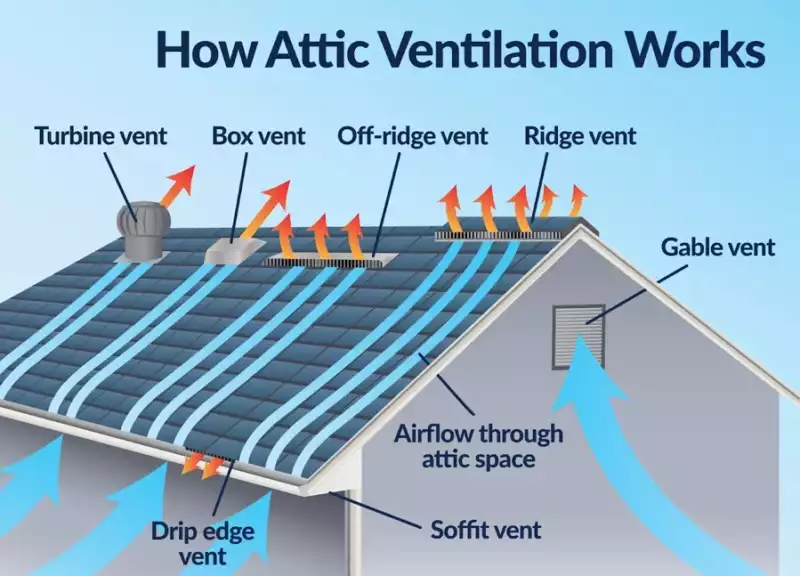
Attics are often overlooked. Poor ventilation, roof leaks, and humid air can lead to mold growth on roof decking and insulation.
HVAC systems deserve special attention. Air handlers, drain pans, and ductwork can accumulate moisture and spread mold spores throughout the home if not properly maintained.
Flooring over slab foundations can hide moisture underneath, especially laminate or vinyl plank flooring.
Practical Mold Prevention Steps That Work in Florida Homes
Mold prevention doesn’t require extreme measures. Consistent, practical habits make a big difference.
Keeping indoor humidity below 60 percent is one of the most effective steps. In West Melbourne, this often means ensuring your AC system is properly sized and running efficiently. In some cases, a dehumidifier may help during especially humid months.
Regular air conditioning maintenance is critical. Clean drain lines, functioning drain pans, and proper airflow help prevent condensation-related moisture issues.
Use bathroom and kitchen exhaust fans during and after moisture-producing activities. Let them run long enough to remove excess humidity, not just a few minutes.
Address leaks promptly. Even small drips under sinks or around appliances should be fixed quickly before moisture spreads.
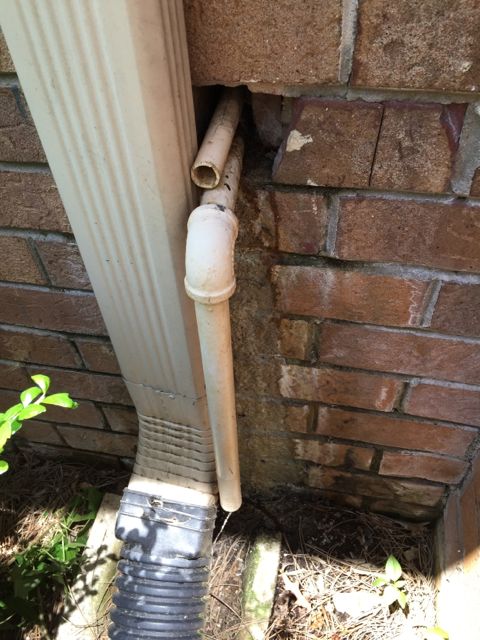
Ensure proper drainage around the home. Gutters, downspouts, and grading should direct water away from the foundation.
Storm Preparation and Post-Storm Prevention
Storms are a major trigger for mold issues in Brevard County, including West Melbourne.
Before storms, inspect your roof, windows, and doors for gaps or damaged seals. Small issues can allow wind-driven rain inside.
After storms, check for moisture even if no damage is visible. Look for damp smells, staining, or condensation in closets, attics, and around vents.
Restore air conditioning as quickly as possible after power outages. AC systems play a major role in controlling indoor humidity.
Dry wet materials immediately. Carpets, rugs, and furniture that stay damp too long can become mold sources.
Why Ignoring Prevention Leads to Bigger Problems
When moisture issues are ignored, mold prevention becomes mold remediation.
Moisture that stays trapped allows mold to grow inside walls, under floors, and in HVAC systems. By the time visible mold appears, the problem is often larger than homeowners expect.
Preventive steps are far less disruptive and costly than removal after mold has spread. Small adjustments in maintenance and monitoring can prevent major repairs later.
In West Melbourne homes, many mold problems that require professional remediation started as minor moisture issues that went unnoticed.
How Professional Inspections Support Mold Prevention
Professional mold inspections aren’t only for visible mold. They’re also valuable for prevention.
An inspection can identify elevated moisture levels, ventilation issues, or problem areas before mold develops.
Moisture detection tools can reveal damp materials behind walls or under flooring that homeowners wouldn’t otherwise notice.
In some cases, inspections help confirm that a home’s conditions are well-controlled, providing peace of mind.
Local professionals such as Brevard Mold Inspections & Removal understand how West Melbourne homes respond to Florida’s climate and can provide practical, prevention-focused guidance.
Common Prevention Mistakes Homeowners Make
Many well-meaning homeowners accidentally increase mold risk.
Overcooling the home can create condensation on vents and walls.
Turning off exhaust fans too soon leaves moisture trapped in bathrooms and kitchens.
Ignoring attics because they’re “out of sight” allows moisture problems to grow unnoticed.
Assuming newer homes don’t need moisture management can lead to hidden issues in tightly sealed construction.
Mold prevention requires attention to the whole home, not just visible areas.
Long-Term Habits That Reduce Mold Risk
Consistent habits help keep mold from becoming an issue.
Schedule regular HVAC inspections and maintenance.
Monitor indoor humidity, especially during summer months.
Inspect your home seasonally, focusing on attics, plumbing areas, and exterior openings.
Respond quickly to musty odors or unexplained dampness.
Treat mold prevention as ongoing maintenance, not a one-time task.
Why Local Brevard County Experience Matters
Mold prevention strategies that work in dry climates don’t always apply in Florida. West Melbourne homes face unique moisture challenges due to humidity, storms, and building styles common in Brevard County.
Local professionals understand where moisture typically enters homes here and how quickly conditions can change. That knowledge helps homeowners focus on realistic, effective prevention rather than unnecessary measures.
A Practical Approach to Mold Prevention in West Melbourne
Mold prevention isn’t about eliminating every trace of moisture. It’s about controlling conditions so mold can’t gain a foothold.
By managing humidity, maintaining AC systems, addressing leaks promptly, and staying aware after storms, West Melbourne homeowners can significantly reduce the risk of mold problems.
If you want added confidence, a professional inspection can help identify vulnerabilities before they turn into larger issues. Trusted local providers like Brevard Mold Inspections & Removal focus on practical prevention and clear information, helping homeowners protect their investment and enjoy their homes with greater peace of mind.