
Mold Prevention in West Melbourne: What Homeowners in Brevard County Should Know
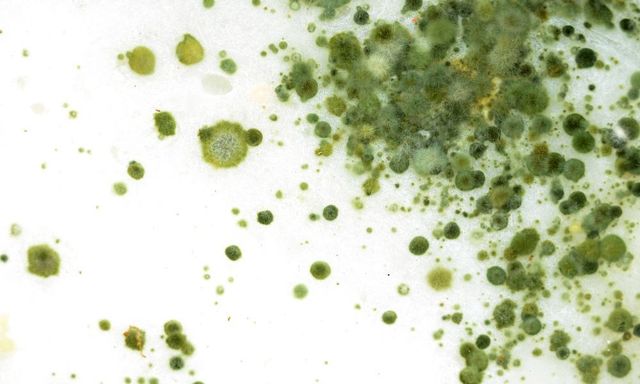
Mold prevention always costs less than mold removal. That’s something homeowners in West Melbourne discover quickly once humidity, condensation, or a small leak turns into a bigger problem. The good news is that most mold issues start with conditions that homeowners can control early.
I’ve walked through homes where a simple ventilation fix or humidity adjustment could have prevented months of moisture buildup. Ever notice how certain rooms feel damp or smell slightly musty after the AC runs? That’s often the first warning sign that prevention matters.
Let’s look at what actually works when it comes to preventing mold in Brevard County homes.
Why Mold Prevention Matters in Florida Homes
West Melbourne sits in a climate where humidity stays high for much of the year. Mold doesn’t need flooding or major leaks to grow—it only needs moisture and time.
Common environmental factors include:
- High outdoor humidity
- Air conditioning running most of the year
- Seasonal rain and storms
- Limited natural ventilation
These conditions mean moisture control isn’t optional; it’s essential.
Rhetorical question time: if moisture shows up daily through humidity alone, wouldn’t prevention matter just as much as repairs?
In most homes, it matters more.
The Most Common Causes of Mold Growth
Preventing mold starts with understanding what causes it. During inspections in West Melbourne homes, mold usually traces back to a few predictable issues.
Frequent causes include:
- AC condensation or drainage problems
- Small plumbing leaks
- Poor bathroom or kitchen ventilation
- High indoor humidity levels
None of these issues seem dramatic, which is exactly why they often go unnoticed.
IMO, slow moisture causes more mold problems than major water damage ever does.
Controlling Indoor Humidity
Humidity plays the biggest role in mold prevention. Mold grows fastest when indoor humidity stays consistently high.
Simple steps that help:
- Use air conditioning effectively
- Run exhaust fans in bathrooms and kitchens
- Keep airflow moving in closets and storage areas
- Use dehumidifiers when needed
Even small reductions in humidity can make a noticeable difference over time.
Ever notice how closets sometimes smell musty before any mold appears? That’s humidity signaling a problem early.
The Role of HVAC Maintenance
HVAC systems influence both humidity and air quality. When systems stay clean and functioning properly, they remove moisture from the air efficiently.
Maintenance helps prevent:
- Condensation buildup inside air handlers
- Mold growth on coils
- Drain line blockages
Routine service and filter changes reduce moisture and improve airflow throughout the home.
FYI, HVAC systems often become mold sources only after maintenance gets delayed.
Ventilation Makes a Bigger Difference Than Most People Think
Bathrooms, kitchens, and laundry areas produce moisture daily. Without proper ventilation, that moisture lingers in the air and settles into building materials.
Improving ventilation can include:
- Using exhaust fans consistently
- Opening doors after showers
- Allowing airflow in enclosed spaces
These habits take very little effort but significantly reduce moisture buildup.
Addressing Small Leaks Quickly
Small leaks often create the biggest mold problems because they go unnoticed. A slow drip inside a wall or under a sink can provide steady moisture for weeks.
Homeowners should watch for:
- Water stains or discoloration
- Warped baseboards or cabinets
- Soft drywall
- Persistent damp smells
Early repairs prevent mold from developing in hidden spaces.
Ever notice how a tiny leak can leave no visible water but still cause damage? That’s how hidden mold begins.
Why Closets and Storage Areas Need Attention
Closets and storage areas often receive limited airflow, especially in homes where doors stay closed most of the time.
Preventive steps include:
- Avoiding overpacked storage
- Allowing air circulation
- Monitoring for damp smells
These spaces often become mold-prone simply because air doesn’t move.
The Importance of Regular Inspections
Even when no obvious problem exists, periodic inspections help identify conditions that could lead to mold growth.
Inspections can reveal:
- Hidden moisture
- HVAC condensation issues
- Early mold development
- Areas with poor ventilation
Catching these conditions early prevents larger remediation later.
Testing may also help confirm indoor air quality if odors or symptoms appear.
Preventing Mold After Storms or Heavy Rain
West Melbourne homes sometimes experience sudden moisture after storms or heavy rainfall. Even minor water intrusion can create conditions where mold develops quickly.
After storms, homeowners should:
- Check ceilings and walls for stains
- Inspect attics and crawl spaces
- Ensure drainage systems function properly
Drying affected areas quickly reduces the chance of mold growth.
Why Prevention Costs Less Than Remediation
One of the most consistent lessons from inspections is that prevention saves time, money, and stress.
When homeowners control moisture early:
- Mold never develops
- Air quality stays healthier
- Repairs remain minimal
Waiting allows moisture to damage materials and increase remediation costs.
Ever notice how routine maintenance always feels easier than emergency repairs? Mold prevention follows the same principle.
Practical Daily Habits That Prevent Mold
A few simple habits reduce mold risk significantly:
- Run exhaust fans during and after showers
- Keep indoor humidity under control
- Repair leaks immediately
- Maintain HVAC systems regularly
- Keep airflow moving in enclosed spaces
These steps take little time but protect a home for years.
Final Thoughts
Mold prevention in West Melbourne homes depends on one key factor: moisture control. Humidity, condensation, and small leaks create the conditions mold needs, but early attention and routine maintenance stop problems before they start.
When homeowners manage humidity, maintain ventilation, and address moisture quickly, mold often never becomes an issue at all.