
Mold Prevention in West Melbourne: What Homeowners in Brevard County Should Know
If you live in West Melbourne, you already know humidity is not seasonal — it’s constant.
Between afternoon thunderstorms, long summers, hurricane season, and steady coastal moisture drifting inland, Brevard County homes are always managing humidity in some form.
The good news is this: most mold problems in West Melbourne are preventable.
Mold prevention isn’t about fear. It’s about understanding how Florida’s climate affects your home and staying ahead of moisture before it turns into something bigger.
In West Melbourne, prevention always starts with one principle — control moisture consistently.
Why Mold Is So Common in West Melbourne
Mold needs three things:
- Moisture
- Warm temperatures
- Organic material
In Florida, warmth is guaranteed. Organic materials like drywall, wood framing, insulation, and dust are present in every home.
That leaves moisture as the deciding factor.
In West Melbourne and surrounding areas like Palm Bay, Melbourne, and Rockledge, indoor humidity can easily climb above 60% if not properly managed.
Once humidity stays elevated, mold growth becomes much more likely — even without visible leaks.
Monitor Indoor Humidity Year-Round
One of the simplest tools for prevention is a digital hygrometer.
Indoor humidity in West Melbourne homes should ideally remain between 45% and 55%.
If it regularly exceeds 60%, you’re entering the range where mold can develop on ceilings, walls, and in closets.
Humidity spikes often happen:
- During summer thunderstorms
- After hurricanes
- When AC systems are turned off
- During extended power outages
- In rooms with poor airflow
Monitoring humidity allows you to correct conditions early — before mold appears.
Your HVAC System Is Your Primary Defense
In Brevard County, air conditioning doesn’t just cool your home — it removes moisture.
To prevent mold in West Melbourne:
- Schedule annual HVAC servicing
- Change filters regularly
- Flush condensate drain lines
- Avoid shutting off AC during humid months
- Ensure the system is properly sized
Oversized AC units cool air quickly but may not run long enough to remove humidity effectively.
Short cycling leaves moisture in the air.
Consistent system performance is critical in Florida.
Don’t Ignore the Attic
Attics in West Melbourne experience extreme heat and humidity.
When warm, moist air rises and meets cooler roof decking, condensation can form.
Preventative attic steps include:
- Inspecting attic insulation annually
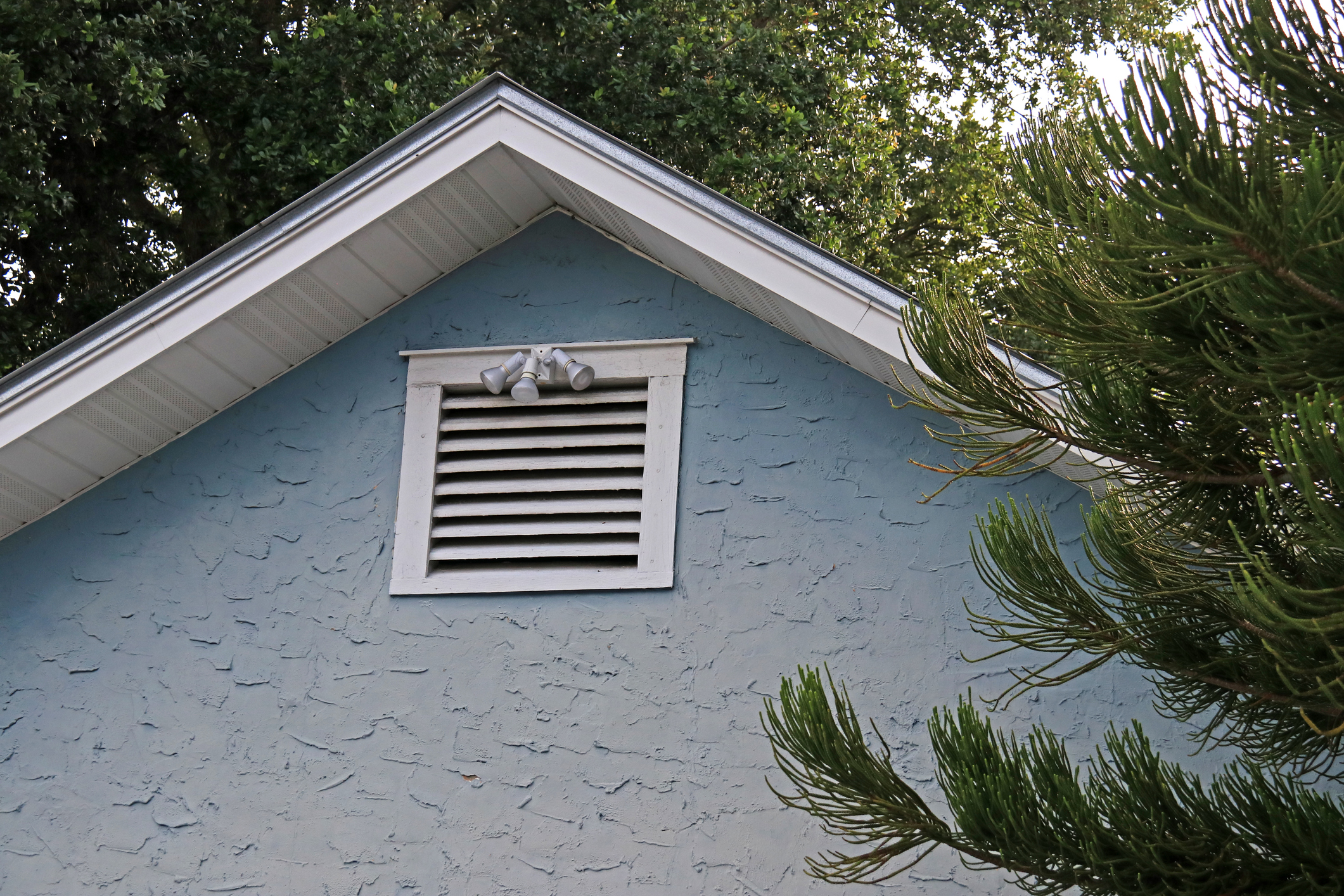
- Ensuring soffit vents are clear
- Confirming ridge vents function properly
- Repairing roof damage promptly
- Making sure bathroom exhaust fans vent outdoors
After hurricanes affecting Satellite Beach or Merritt Island, attic inspections within 48 hours can prevent hidden moisture buildup.
Small roof issues can lead to large mold problems if left unchecked.
Watch for Small Plumbing Leaks
Many mold problems begin with minor leaks.
Common problem areas include:
- Under sink cabinets
- Around toilet bases
- Water heater connections
- Refrigerator water lines
- Washing machine hoses
In slab-built homes common throughout West Melbourne, moisture can wick upward into drywall from small plumbing failures.
Regularly checking these areas helps prevent hidden mold development.
Protect Windows and Exterior Openings
West Melbourne may not sit directly on the ocean like Cocoa Beach, but coastal storms still affect the area.
Wind-driven rain can enter through:
- Sliding glass doors
- Aging window seals
- Exterior wall penetrations
Salt air accelerates seal wear, even inland.
Inspecting and resealing exterior openings reduces moisture intrusion during heavy rain.
Prevention often starts outside the home.
Bathroom and Kitchen Ventilation Matters
Daily activities add moisture to indoor air.
To reduce risk:
- Run bathroom exhaust fans during and at least 20 minutes after showers
- Use kitchen exhaust fans while cooking
- Keep cabinet interiors dry
- Wipe down shower surfaces regularly
If exhaust fans vent into the attic instead of outside, attic mold may develop above bathrooms.
Proper vent routing is essential.
Keep Air Moving
Stagnant air traps moisture.
Simple steps make a difference:
- Avoid placing large furniture tightly against walls
- Keep closet doors open periodically
- Use ceiling fans to promote circulation
- Allow airflow in storage areas
In Palm Bay and Rockledge homes, mold often appears behind furniture due to restricted airflow.
Air movement helps maintain even moisture distribution.
After Storms: Act Quickly
Storm season in Brevard County is predictable.
After heavy rain or hurricanes:
- Inspect ceilings for new staining
- Check attic insulation
- Monitor humidity levels
- Listen for unusual AC behavior
- Inspect window frames
Even minor water intrusion can create mold conditions within days.
Early inspection limits long-term damage.
When to Consider a Professional Inspection
Even with strong prevention habits, hidden moisture can occasionally develop.
A professional inspection may be appropriate if you notice:
- Persistent musty odors
- Recurring mold in the same area
- Indoor humidity consistently above 60%
- Ceiling discoloration
- Warped flooring
Brevard Mold Inspections & Removal works throughout West Melbourne, Melbourne, Palm Bay, Rockledge, Merritt Island, and Titusville. Local experience allows accurate identification of moisture patterns specific to Florida homes.
The goal is prevention and stabilization — not unnecessary alarm.
Why Local Experience Matters in Brevard County
Mold prevention in Florida differs from prevention in dry states.
West Melbourne homes face:
- Year-round humidity
- Hurricane-driven rain
- Slab foundation moisture
- Warm attic environments
- Continuous AC operation
An inspector familiar with Brevard County understands how these environmental factors interact.
Preventative strategies must reflect Florida’s climate realities.
A Practical, Long-Term Approach
Mold prevention in West Melbourne is not about one-time fixes.
It’s about consistent moisture awareness.
By monitoring humidity, maintaining HVAC systems, inspecting after storms, sealing exterior gaps, and addressing small leaks quickly, you significantly reduce the likelihood of mold growth.
Florida’s humidity isn’t going away.
But with steady maintenance and practical attention, mold doesn’t have to be part of your home.
Stay proactive, control moisture, and small problems stay small.