Mold Prevention in West Melbourne: What Homeowners in Brevard County Should Know
Mold prevention is a top concern for homeowners in West Melbourne, where warm temperatures, frequent rain, and high humidity create ideal conditions for moisture to linger indoors. Mold problems here usually don’t start with neglect—they start with moisture that isn’t drying out fast enough. The good news is that with the right habits and a clear understanding of local conditions, most mold issues are preventable.
This guide explains why mold is common in West Melbourne homes, where it tends to start, and what practical steps actually help keep it from becoming a recurring problem.
Why Mold Prevention Matters in West Melbourne
West Melbourne sits inland compared to beachside communities, but humidity remains high for much of the year. Afternoon storms, long AC run times, and warm nights all slow natural drying. When moisture sticks around, mold has an opportunity to grow on drywall, wood, insulation, and inside HVAC systems.
Many homes in West Melbourne are built on slab foundations, which can trap moisture beneath flooring. Attics experience intense heat and humidity, and bathrooms and laundry rooms generate daily moisture. Preventing mold means managing these everyday conditions before growth begins.
How Mold Develops in Florida Homes
Mold spores are always present in the air. Mold becomes an issue only when moisture allows those spores to settle and grow. In West Melbourne, moisture often comes from:
- High indoor humidity
- AC condensation
- Roof or plumbing leaks
- Poor ventilation
- Past water damage that wasn’t fully dried
Preventing mold isn’t about eliminating spores—it’s about controlling moisture so mold has nothing to feed on.
Common Areas Where Mold Starts
Knowing where mold typically begins helps homeowners focus prevention efforts where they matter most.
In West Melbourne homes, mold commonly starts in:
- Bathrooms with limited ventilation
- Attics with poor airflow or roof leaks
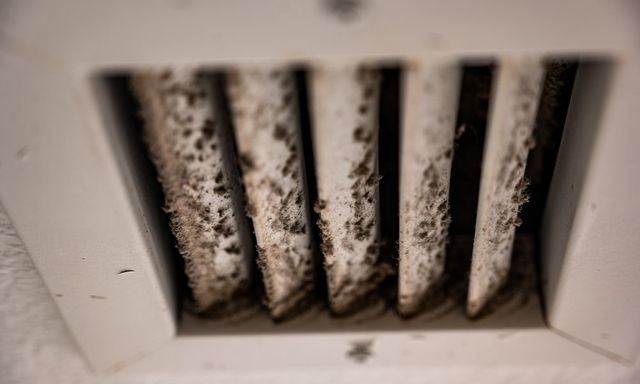
- HVAC air handlers and ductwork
- Around AC vents and drain lines
- Under sinks and behind appliances
- Closets or storage areas with little airflow
These spaces often stay damp longer than the rest of the home.
Early Warning Signs Moisture Is Becoming a Problem
Mold prevention starts with catching moisture issues early. Many homeowners notice subtle clues before mold becomes visible.
Watch for signs such as:
- A musty or earthy smell that doesn’t fade
- Condensation on windows or AC vents
- Bubbling paint or peeling drywall
- Rooms that feel humid even with AC running
- Repeated mold growth in the same area
These signs usually indicate excess moisture rather than a surface-cleaning issue.
Why Humidity Control Is Key
Humidity is one of the biggest mold drivers in Brevard County. Even without leaks, high humidity alone can provide enough moisture for mold to grow.
Air conditioners help reduce humidity, but they must be properly sized, maintained, and draining correctly. Oversized systems may cool air too quickly without removing enough moisture, while clogged drain lines can cause water buildup.
Keeping humidity under control improves comfort and significantly reduces mold risk.
Hidden Moisture Problems Homeowners Often Miss
Some moisture issues aren’t obvious. Mold prevention efforts often fail because hidden moisture goes unnoticed.
Common hidden contributors include:
- Leaky ductwork pulling humid air into the system
- Bathroom fans venting into attics instead of outdoors
- Blocked or insufficient attic ventilation
- Small plumbing leaks behind walls
- Ground moisture migrating upward through slabs
Identifying these issues early helps prevent mold from developing out of sight.
Why Surface Cleaning Alone Isn’t Prevention
Many homeowners assume regular cleaning prevents mold. While cleaning helps with appearance, it doesn’t stop mold if moisture remains.
Bleach or disinfectants may remove stains, but they don’t fix leaks, ventilation issues, or humidity problems. Painting over stains hides moisture rather than stopping it.
True mold prevention always focuses on moisture control first.
How Professional Inspections Support Prevention
A professional mold inspection isn’t only for homes with visible mold. Preventive inspections help identify moisture risks before mold develops.
Inspectors look for moisture intrusion, ventilation problems, and damp materials using visual checks and moisture detection tools. When appropriate, limited testing may be used to better understand indoor conditions.
Local professionals like Brevard Mold Inspections & Removal understand West Melbourne construction styles, climate patterns, and common moisture trouble spots across Brevard County, making prevention strategies more effective.
Practical Mold Prevention Tips for West Melbourne Homes
Homeowners can reduce mold risk by adopting consistent moisture-management habits:
- Use bathroom and kitchen exhaust fans regularly
- Keep AC systems maintained and drain lines clear
- Monitor indoor humidity levels
- Repair leaks promptly, even small ones
- Seal air leaks around ducts and attic access points
- Check attics and closets periodically
- Inspect after heavy rain or storms
These steps are especially important during Florida’s rainy season.
Attic and HVAC Maintenance Matters
Attics and HVAC systems play a major role in mold prevention. Poor attic ventilation traps heat and moisture, while HVAC systems that aren’t draining properly can introduce water into living spaces.
Regular inspections help ensure insulation is dry, ducts are sealed, and airflow is balanced. Small adjustments in these areas often prevent larger mold problems later.
Why Local Brevard County Experience Makes a Difference
Mold prevention strategies that work in dry climates don’t always work in Florida. West Melbourne homes face different moisture patterns than coastal areas like Cocoa Beach or river-adjacent communities like Merritt Island.
Local experience ensures prevention recommendations account for slab foundations, humidity levels, storm patterns, and AC usage common in Brevard County.
A Smart, Calm Approach to Mold Prevention
Mold prevention doesn’t require extreme measures or constant worry. It requires awareness, routine maintenance, and timely response to moisture issues.
By understanding how mold develops in West Melbourne homes and focusing on moisture control, homeowners can significantly reduce the chance of mold becoming a problem. When questions arise, a professional inspection provides clarity and peace of mind—helping keep homes comfortable, dry, and healthy long-term.
Images for This Article