
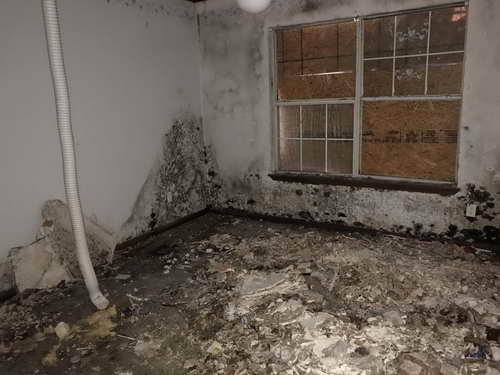
Mold Problems in Older Waterfront Homes in Merritt Island
Older waterfront homes are part of Merritt Island’s charm. Many properties along Sykes Creek, the Banana River, and the Indian River were built decades ago, offering beautiful views and classic Florida living. But those same homes often face mold challenges that newer construction may better resist.
Homeowners living in older waterfront houses frequently encounter recurring mold issues, sometimes even after repairs or cleaning. The combination of age, coastal humidity, and constant exposure to moisture creates conditions where mold thrives if homes aren’t carefully maintained.
Understanding why older waterfront homes experience more mold problems helps homeowners protect both their property and their indoor comfort.
What Mold Problems in Older Waterfront Homes Really Mean
Mold growth happens when moisture stays present long enough on materials like drywall, wood, insulation, or flooring. Older waterfront homes are especially vulnerable because they often have building features that allow moisture to enter or stay trapped.
Common mold situations in these homes include:
• Mold behind exterior walls facing water
• Attic mold from trapped humidity
• Mold under flooring or carpets
• Mold near windows and sliding glass doors
• HVAC-related mold issues
• Mold in crawl spaces or slab foundations
Because mold frequently grows in hidden areas, homeowners sometimes don’t realize there is a problem until odors or stains appear.
Why This Happens So Often in Merritt Island Waterfront Homes
Several factors make mold particularly common in older homes located along Merritt Island waterways.
Constant Coastal Humidity
Living near open water means humidity is nearly constant. Even on sunny days, moist air surrounds homes, especially those directly facing canals, rivers, or lagoons.
Older homes may not have modern moisture barriers or insulation, allowing humid air to penetrate walls and attics.
Aging Construction Materials
Many waterfront homes were built before today’s building standards addressed moisture control. Over time, materials degrade, seals weaken, and gaps allow moisture intrusion.
Older windows, doors, and roofing systems often allow small amounts of moisture inside during storms.
Storm and Hurricane Exposure
Merritt Island homes frequently experience heavy storms and hurricane conditions. Older homes may have suffered multiple repairs over the years, and hidden moisture can remain inside walls or ceilings long after damage seems fixed.
Water intrusion doesn’t always dry completely, especially in humid climates.
High Water Tables and Ground Moisture
Waterfront areas typically have higher groundwater levels. Older slab foundations and crawl spaces may allow moisture to travel upward into the home.
This moisture becomes trapped beneath flooring or inside wall structures.
Long-Term Air Conditioning Use
Older homes sometimes have outdated duct systems or insufficient insulation. When AC systems run constantly, condensation can form where cool air meets warmer surfaces, creating hidden moisture areas.
Common Signs Homeowners Notice
Mold problems in older waterfront homes often develop slowly, making warning signs easy to overlook.
Common signs include:
• Musty smells that linger indoors
• Dark spots on ceilings or walls
• Peeling or bubbling paint
• Damp areas near windows or doors
• Mold growth in closets or storage areas
• Allergy-like irritation indoors
In some cases, mold may appear repeatedly in the same locations despite cleaning efforts.
Hidden or Overlooked Mold Sources
Many mold problems in waterfront homes remain hidden behind surfaces.
Behind Exterior Walls
Walls facing water often experience condensation or minor moisture intrusion, allowing mold to grow unseen inside wall cavities.
Under Flooring
Older tile, laminate, or carpet flooring installed over slabs can trap moisture underneath, creating mold that homeowners don’t see until flooring is replaced.
Attics
Attics in older homes frequently lack proper ventilation or insulation upgrades. Warm, humid air meets cooler surfaces, causing condensation and mold growth on roof decking.
Crawl Spaces
Older homes with crawl spaces often suffer from moisture accumulation, especially near waterways. Mold can spread upward into living spaces.
HVAC Systems
Older ductwork or poorly insulated systems often create condensation inside ducts, distributing mold spores through airflow.
Past Repairs or Leaks
Homes repaired after storms or plumbing leaks sometimes contain hidden moisture pockets. Mold may reappear years later.
Why DIY Mold Removal Usually Fails
Homeowners often attempt to remove mold themselves, especially when growth appears minor. However, mold in older waterfront homes usually involves deeper moisture problems.
Common DIY mistakes include:
• Cleaning visible mold without addressing moisture
• Using bleach on drywall or wood
• Painting over stains
• Ignoring attic or crawl space issues
Bleach may remove surface discoloration but does not eliminate mold embedded in materials.
Without correcting moisture intrusion or humidity issues, mold returns.
DIY removal may also disturb mold spores, spreading them to new areas.
Professional Mold Inspection & Testing Explained
Professional inspections focus on identifying moisture sources first, not just visible mold.
Inspection steps typically include:
Visual Examination
Inspectors evaluate walls, ceilings, vents, and moisture-prone areas.
Moisture Detection Tools
Meters locate hidden moisture in walls or flooring.
Thermal Imaging
Thermal cameras help detect temperature differences that cause condensation.
Air or Surface Sampling
When mold is hidden, samples confirm its presence and help evaluate indoor air quality.
Results are explained in straightforward terms so homeowners understand both the problem and solution.
Proper Mold Removal & Remediation Process
Professional remediation involves removing mold safely while correcting moisture causes.
Typical steps include:
• Containment of affected areas
• Safe removal of contaminated materials
• Cleaning and disinfecting surfaces
• Drying and dehumidification
• Repairing moisture sources
• Preventive improvements
The goal is to stop mold from returning, not just remove what is visible.
How to Prevent Mold in Older Waterfront Homes
Homeowners can reduce mold risks by actively managing moisture.
Helpful prevention steps include:
• Maintain indoor humidity below 55%
• Upgrade insulation and ventilation where needed
• Service AC systems annually
• Inspect roofing and windows regularly
• Use dehumidifiers when necessary
• Improve crawl space moisture barriers
• Check homes after storms or flooding
• Monitor condensation near windows or vents
Waterfront homes benefit from routine inspections because moisture exposure never fully stops.
Why Local Merritt Island Experience Matters
Mold behavior in waterfront homes differs from inland properties. Professionals familiar with Merritt Island homes understand:
• How coastal humidity affects buildings
• Typical construction methods of older island homes
• Waterfront moisture challenges
• Storm-related building vulnerabilities
Local knowledge helps inspectors quickly locate problem areas and recommend practical solutions.
Companies like Mold Removal Merritt Island understand these local conditions and how to handle mold problems unique to island homes.
A Practical Next Step for Homeowners
If your waterfront home has recurring musty odors, ceiling stains, or mold growth that keeps returning, an inspection can reveal whether hidden moisture is present.
Many mold problems develop quietly inside older homes, becoming larger issues over time.
A professional evaluation provides clarity and helps homeowners protect both property value and indoor comfort.
Across Merritt Island, proactive moisture management is key to keeping older waterfront homes healthy and mold-free for years to come.