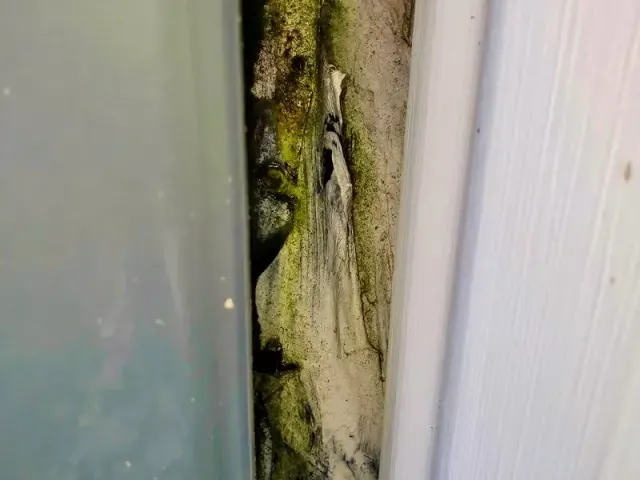
Mold Remediation in Cocoa Beach: What Homeowners in Brevard County Should Know
In Cocoa Beach, mold remediation is a topic many homeowners don’t think about until a musty smell appears, dark spots show up on walls or ceilings, or mold keeps returning no matter how often it’s cleaned. Living steps from the ocean brings incredible views—but it also brings constant humidity, salt air, storms, and moisture pressure that make mold a common issue in coastal homes.
Mold remediation is not the same as simple mold cleanup. In Brevard County’s coastal environment, proper remediation means understanding why mold developed, where moisture is hiding, and how to stop the problem from coming back. For Cocoa Beach homeowners, knowing what real mold remediation involves can prevent repeat issues and protect the home long term.
Why Mold Remediation Is So Common in Cocoa Beach
Cocoa Beach homes are exposed to moisture from multiple directions—inside and out. Even well-maintained homes can develop mold because coastal moisture behaves differently than inland moisture.
Local conditions that increase mold risk include:
- Constant ocean humidity
- Wind-driven rain during storms
- Salt air breaking down seals and flashing
- Long AC run times that create condensation
- Homes kept closed and air-conditioned most of the year
- Slab foundations that can trap moisture beneath floors
These factors make mold remediation a frequent need, not a rare event.
Mold Remediation vs Mold Removal: Why the Difference Matters
Many homeowners use the term “mold removal,” but remediation is the more accurate and complete process.
Mold removal focuses on:
- Cleaning or removing visible mold
Mold remediation includes:
- Identifying moisture sources
- Containing affected areas
- Removing contaminated materials
- Cleaning remaining surfaces safely
- Correcting the conditions that allowed mold to grow
- Preventing recurrence
In Cocoa Beach, remediation is essential because mold almost always returns if moisture isn’t addressed.
How Mold Typically Develops in Cocoa Beach Homes
Mold rarely appears overnight. In coastal homes, it often develops quietly as humidity and condensation build up over time.
A common pattern includes:
- Moisture enters through humidity, condensation, or small leaks
- Surfaces appear dry, but materials remain damp internally
- Mold begins growing behind walls, under floors, or in attics
- Odors or visible mold finally appear
By the time mold is visible, remediation—not cleaning—is usually required.
Common Areas Where Mold Remediation Is Needed
Mold in Cocoa Beach homes tends to appear in predictable locations where moisture lingers.
High-risk areas include:
- Bathrooms and bathroom ceilings
- Behind drywall near plumbing
- Beneath laminate or vinyl flooring
- Around HVAC air handlers and ductwork
- Attics after roof or storm-related leaks
- Closets on exterior walls
Visible mold often represents only a portion of the total growth.
Hidden Mold: A Major Remediation Challenge
One of the biggest reasons remediation is needed instead of simple cleanup is hidden mold.
Hidden mold commonly grows:
- Behind walls exposed to humidity or leaks
- Under flooring on slab foundations
- Inside wall cavities near bathrooms or kitchens
- In attic insulation
- Inside HVAC components
Without locating and addressing hidden mold, remediation efforts will fail.
Why DIY Mold Cleanup Fails in Coastal Homes
DIY mold cleanup is especially ineffective in Cocoa Beach’s humid climate.
DIY approaches fail because:
- Bleach doesn’t penetrate porous materials
- Mold roots remain inside drywall and wood
- Cleaning adds moisture
- Moisture sources aren’t corrected
- Scrubbing spreads mold spores
DIY cleanup often makes mold less visible—not less active.
The Role of Professional Mold Inspections
Before remediation begins, a professional mold inspection helps define the scope of the problem.
An inspection typically includes:
- Visual assessment of affected areas
- Moisture readings in walls, floors, and ceilings
- Attic inspections for roof-related moisture
- HVAC system evaluation
- Identification of hidden mold zones
This ensures remediation targets the full problem—not just the symptoms.
Brevard Mold Inspections & Removal works with Cocoa Beach homeowners to identify mold conditions clearly and design remediation strategies focused on long-term results rather than cosmetic fixes.
Mold Remediation in Bathrooms
Bathrooms are the most common area requiring remediation in coastal homes.
Bathroom mold often results from:
- Steam not being vented properly
- Exhaust fans venting into attics
- Moisture trapped behind walls or ceilings
- Condensation forming daily
Effective remediation usually includes ventilation improvements, not just surface cleaning.
Mold Remediation Under Floors
Many Cocoa Beach homes are built on slab foundations, which can trap moisture beneath flooring.
This often leads to:
- Mold under laminate, vinyl, or carpet
- Musty odors with no visible growth
- Mold that returns after surface cleanup
Remediation may require removing sections of flooring to dry and treat affected areas properly.
Attic Mold Remediation After Storms
Attics are one of the most overlooked mold zones after storms.
Attic mold often develops due to:
- Wind-driven rain entering roof gaps
- Damaged flashing or vents
- Bathroom fans exhausting moist air into the attic
- Insulation drying very slowly
Attic remediation may involve insulation removal, cleaning roof decking, and correcting ventilation issues.
HVAC Systems and Mold Remediation
HVAC systems play a major role in mold spread.
Remediation may be needed when:
- Condensate drain lines clog
- Drain pans hold standing water
- Evaporator coils remain damp
- Mold appears around vents
Because HVAC systems circulate air, mold here can affect the entire home.
Containment: A Critical Part of Remediation
Professional mold remediation always uses containment.
Containment:
- Prevents spores from spreading
- Protects unaffected areas
- Keeps mold from entering HVAC systems
Skipping containment often leads to new mold problems elsewhere in the home.
Mold Remediation After Hurricanes or Power Outages
Storms and outages are common triggers for remediation needs in Cocoa Beach.
After storms:
- AC systems may shut down
- Indoor humidity rises rapidly
- Drying slows significantly
- Mold can begin growing out of sight
Mold remediation weeks later often traces back to these events.
Preventing Mold After Remediation
Long-term success depends on prevention.
Helpful prevention steps include:
- Managing indoor humidity consistently
- Maintaining HVAC systems and drain lines
- Using exhaust fans during showers
- Inspecting roofs and attics after storms
- Addressing leaks immediately
Prevention is always easier than repeat remediation.
Why Local Cocoa Beach Experience Matters
Mold remediation in coastal Florida is different from remediation in dry climates. Cocoa Beach homes face challenges tied to salt air, storms, slab foundations, and constant humidity.
Local professionals understand:
- How coastal moisture behaves
- Where mold commonly hides locally
- How storms affect drying timelines
- How HVAC systems influence mold spread
Local experience leads to better outcomes and fewer repeat problems.
A Calm, Practical Takeaway for Homeowners
Mold remediation in Cocoa Beach is common—but it doesn’t have to be ongoing. Most mold problems stem from moisture that wasn’t fully controlled, not neglect or poor housekeeping.
If mold keeps returning, odors persist, or humidity feels hard to manage, a professional inspection can provide clarity before remediation begins. Addressing both the mold and the moisture source is the most effective way to protect your home and maintain comfort in Brevard County’s coastal climate.