
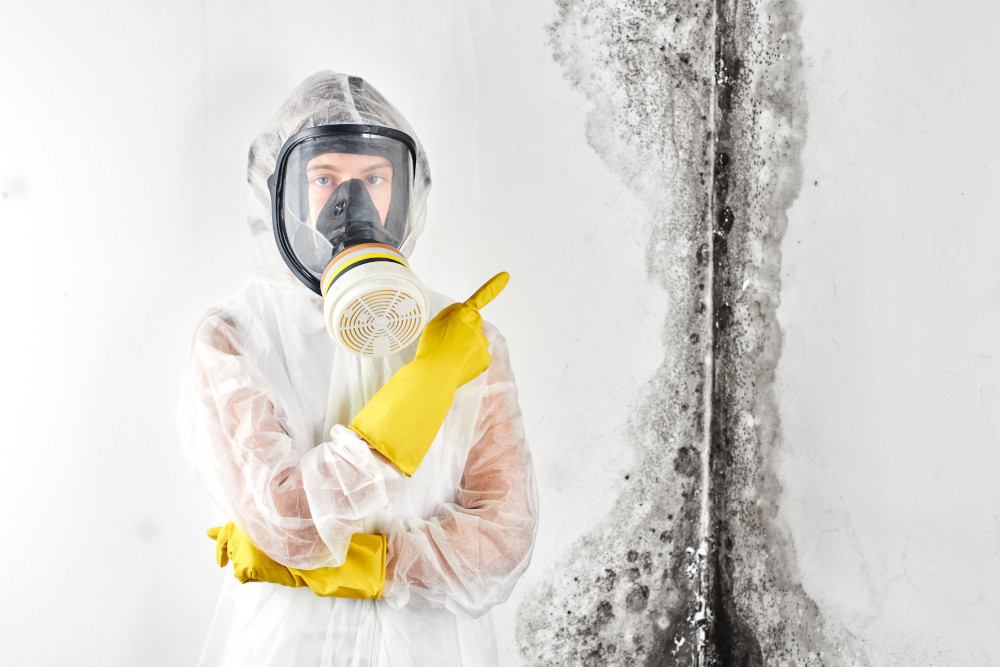
Mold Remediation in Cocoa Beach: What Homeowners in Brevard County Should Know
Living in Cocoa Beach means salty air, ocean breezes, and warm weather — but it also means constant humidity. When moisture sticks around inside a home, mold doesn’t take long to move in. That’s why mold remediation is such a common (and necessary) service for Cocoa Beach homeowners.
This guide explains what mold remediation really is, when it’s needed, how the process works, and how to keep mold from coming back in a coastal environment.
Why Cocoa Beach Homes Are High-Risk for Mold
Mold spores exist everywhere. What turns spores into a problem is moisture, and coastal homes get plenty of it.
Local Conditions That Fuel Mold Growth
- High humidity year-round
- Salt air that holds moisture longer
- Heavy rain, tropical storms, and hurricanes
- AC systems running almost nonstop
- Condensation on ducts, vents, and windows
Even without flooding, slow leaks, trapped humidity, or poor ventilation can allow mold to grow behind walls, under flooring, or inside HVAC systems.
Mold Removal vs. Mold Remediation (Big Difference)
These terms are often used interchangeably, but they are not the same.
Mold Removal
- Focuses on removing visible mold
- Cleans affected surfaces
- Often cosmetic if moisture isn’t addressed
Mold Remediation
- Removes mold and
- Identifies and fixes the moisture source
- Prevents mold from returning
👉 True remediation solves the cause, not just the symptoms. In Cocoa Beach, skipping moisture correction almost guarantees mold will come back.
Signs You May Need Mold Remediation
Cocoa Beach homeowners should watch for these warning signs:
👀 Visual Indicators
- Dark spots on walls, ceilings, or baseboards
- Bubbling paint or warped drywall
- Mold near vents or windows
👃 Odor Clues
- Persistent musty or earthy smells
- Odors strongest when AC is running
🤧 Health & Comfort Issues
- Increased allergy or asthma symptoms indoors
- Coughing, congestion, or headaches at home
- Symptoms improving when leaving the house
If mold covers more than a small area, keeps returning, or is hidden, remediation is usually necessary.
What Professional Mold Remediation in Cocoa Beach Involves
Professional remediation follows a controlled, multi-step process designed to protect both your home and your health.
🔹 1. Inspection & Assessment
Technicians identify:
- Visible and hidden mold growth
- Moisture sources (leaks, condensation, humidity)
- Materials that are contaminated
Moisture meters and visual assessment guide the remediation plan.
🔹 2. Containment
Plastic barriers and negative air pressure are used to prevent mold spores from spreading to clean areas of the home.
This step is especially important in open-floor coastal homes.
🔹 3. Air Filtration
HEPA air scrubbers remove airborne mold spores during cleanup, improving indoor air quality.
🔹 4. Mold Removal
Depending on severity:
- Porous materials (drywall, insulation, carpet) may be removed
- Hard surfaces are professionally cleaned
- Ductwork or HVAC components may be addressed
🔹 5. Cleaning & Treatment
Remaining surfaces are treated with professional antimicrobial solutions to reduce the chance of regrowth.
🔹 6. Moisture Control & Drying
This is the most critical step:
- Leaks are repaired
- Humidity issues corrected
- Materials dried to safe moisture levels
Without moisture control, mold will return — even after professional cleanup.
Why DIY Mold Cleanup Rarely Works in Coastal Homes
DIY cleaning may handle very small surface mold, but it often fails when:
- Mold is inside walls or ceilings
- Growth is on porous materials
- Humidity remains high
- Mold keeps coming back
Bleach and store-bought sprays:
- Don’t penetrate porous materials
- Add moisture
- Often hide mold instead of eliminating it
In Cocoa Beach’s climate, DIY methods usually delay — not prevent — remediation.
Mold Remediation and Health Concerns
Mold exposure affects people differently, but common symptoms include:
- Sneezing and nasal congestion
- Eye or throat irritation
- Headaches or sinus pressure
- Worsening asthma or allergies
Children, seniors, and those with respiratory conditions are more sensitive. Remediation improves indoor air quality, not just appearance.
Insurance Considerations in Cocoa Beach
Coverage depends on how the mold started:
- Sudden water damage (storm leaks, burst pipes): sometimes covered
- Long-term humidity or neglected leaks: often excluded
Helpful documentation includes:
- Photos of damage
- Timeline of water intrusion
- Inspection and remediation reports
Acting quickly improves both insurance outcomes and remediation success.
Preventing Mold After Remediation
Once remediation is complete, prevention keeps mold from returning.
🌬 Control Indoor Humidity
- Keep humidity between 30–50%
- Use dehumidifiers during humid months
- Avoid turning AC completely off
💧 Fix Moisture Issues Fast
- Repair leaks immediately
- Clear AC drain lines
- Watch for condensation
🛠 Maintain HVAC Systems
- Replace filters regularly
- Schedule routine maintenance
- Inspect air handlers and ducts
🕵️ Monitor Coastal Problem Areas
Bathrooms, kitchens, AC closets, windows, and exterior walls deserve regular checks.
Why Early Mold Remediation Saves Money
Ignoring mold often leads to:
- Larger remediation projects
- Structural repairs
- Health complaints
- Lower property value
Early remediation paired with moisture control is far less expensive than letting mold spread.
Final Takeaways for Cocoa Beach Homeowners
- Coastal humidity makes mold a constant risk
- Mold remediation fixes the cause, not just the mess
- Moisture control is essential for long-term success
- DIY solutions rarely hold up in beachside homes
- Professional remediation protects health and property